+86 15763937065

- 28 Mar 2026
Private Label Cat Litter: How to Start Your Own Brand
Why Private Label Cat Litter Is Growing Fast
The global pet care market continues to grow steadily, and cat litter remains one of the most reliable, high-frequency products within the category. Unlike toys or accessories, cat litter is a daily necessity, which creates consistent repeat purchases and long-term customer retention.
As competition increases, more distributors, retailers, and e-commerce brands are shifting toward private label strategies. Instead of reselling existing brands, they build their own identity, control pricing, and improve margins.
With the right manufacturing partner, launching a private label cat litter brand is no longer complex—it is a practical and scalable business model.
What Is Private Label Cat Litter?
Private label cat litter refers to products manufactured by a factory but sold under your own brand name. The manufacturer handles production, while you focus on branding, marketing, and distribution.
Key Advantages
· Lower upfront investment (no factory required)
· Faster time to market
· Flexible product positioning
· Ability to build long-term brand value
For many pet businesses, private label is not just an option—it is the most efficient way to enter or expand in the market.
Step-by-Step: How to Start Your Own Cat Litter Brand
Step 1: Choose the Right Product Type
Your product choice determines your market positioning.
Common options include:
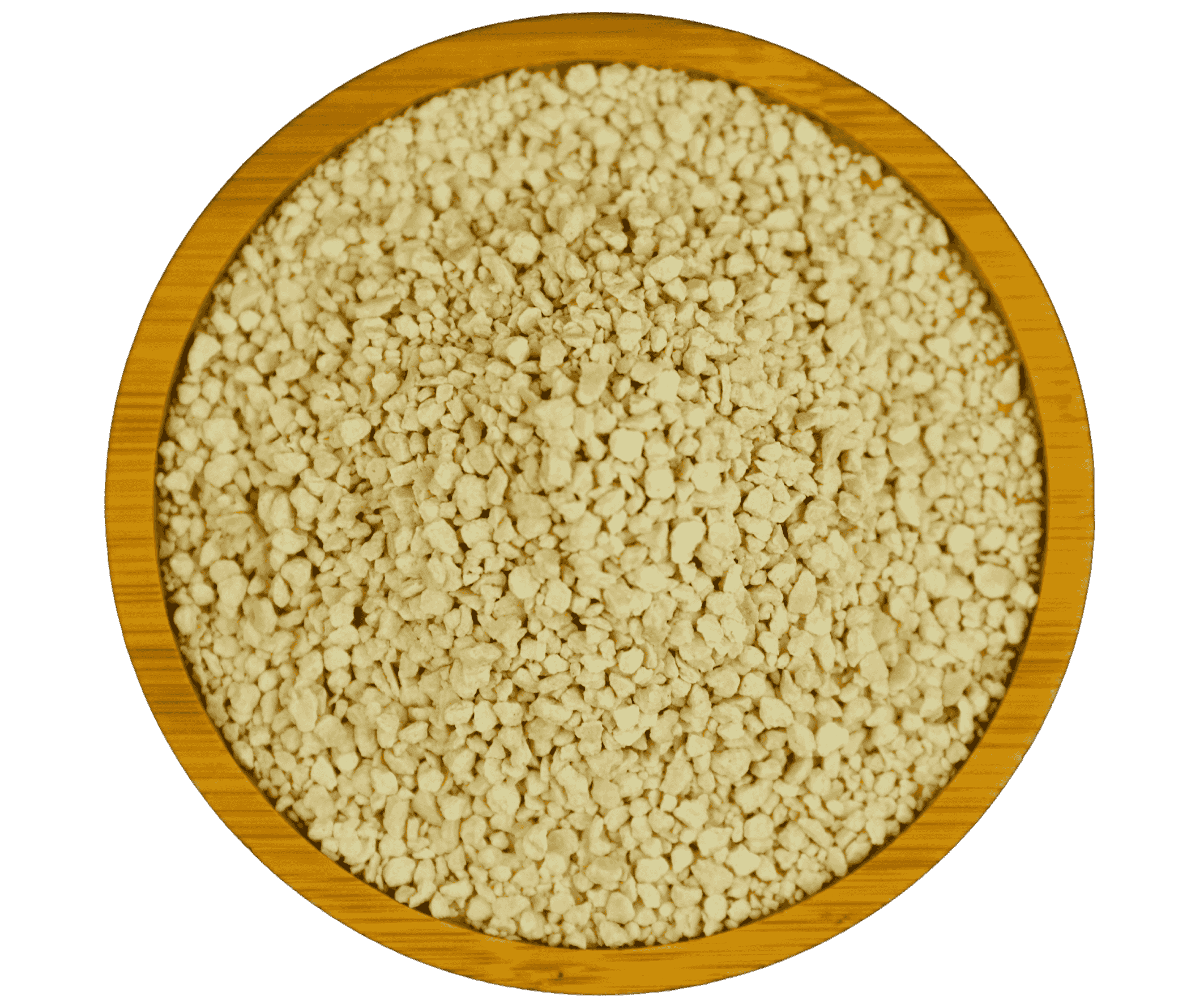
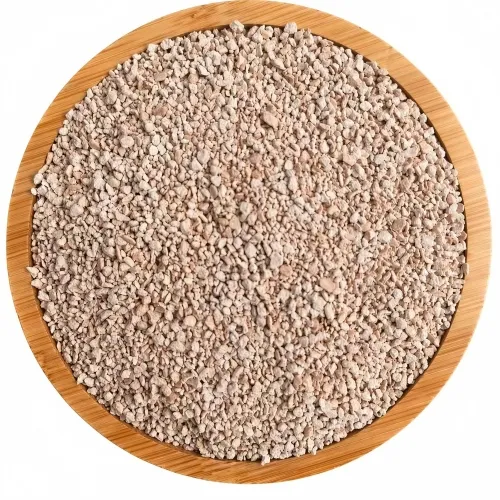
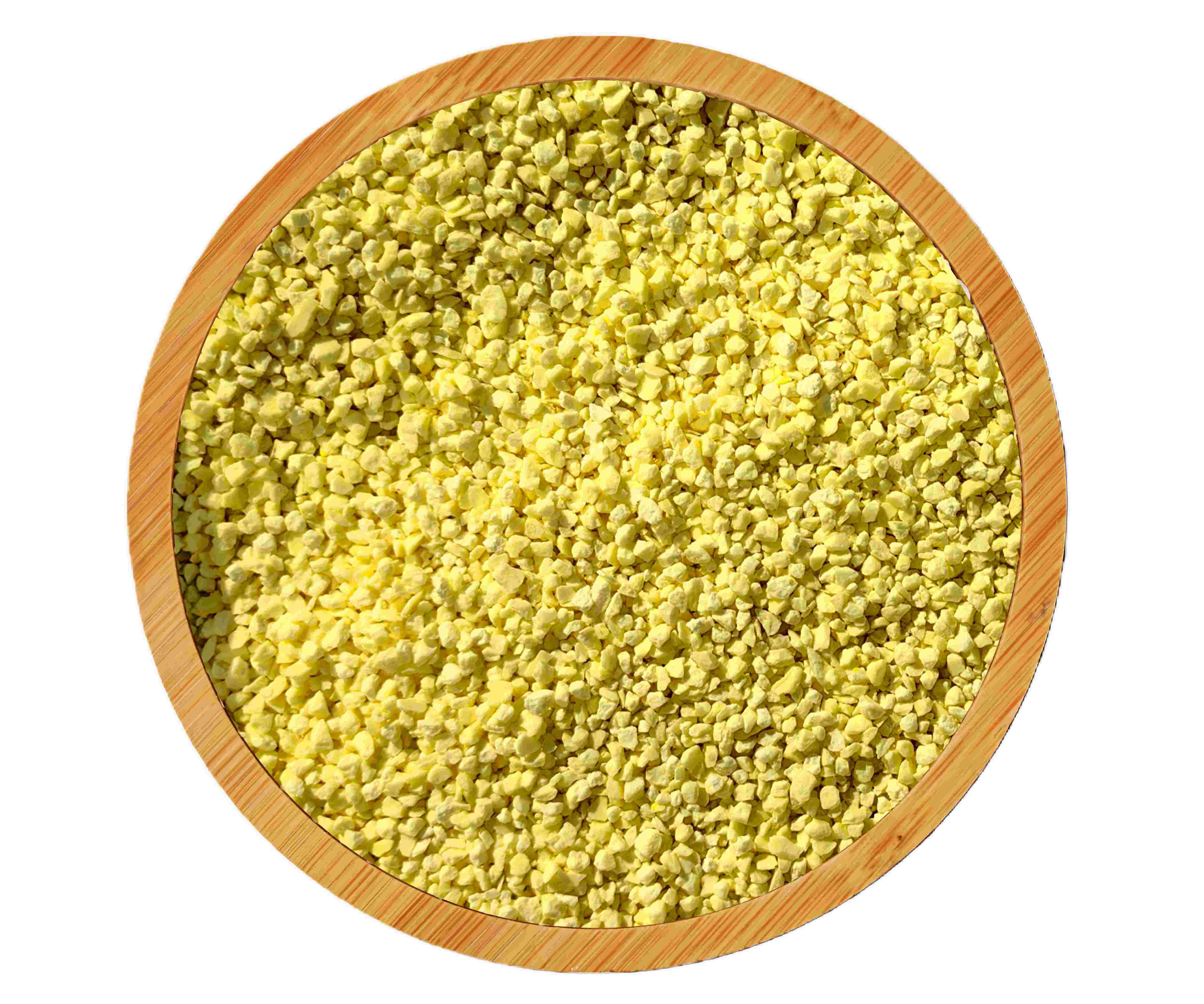
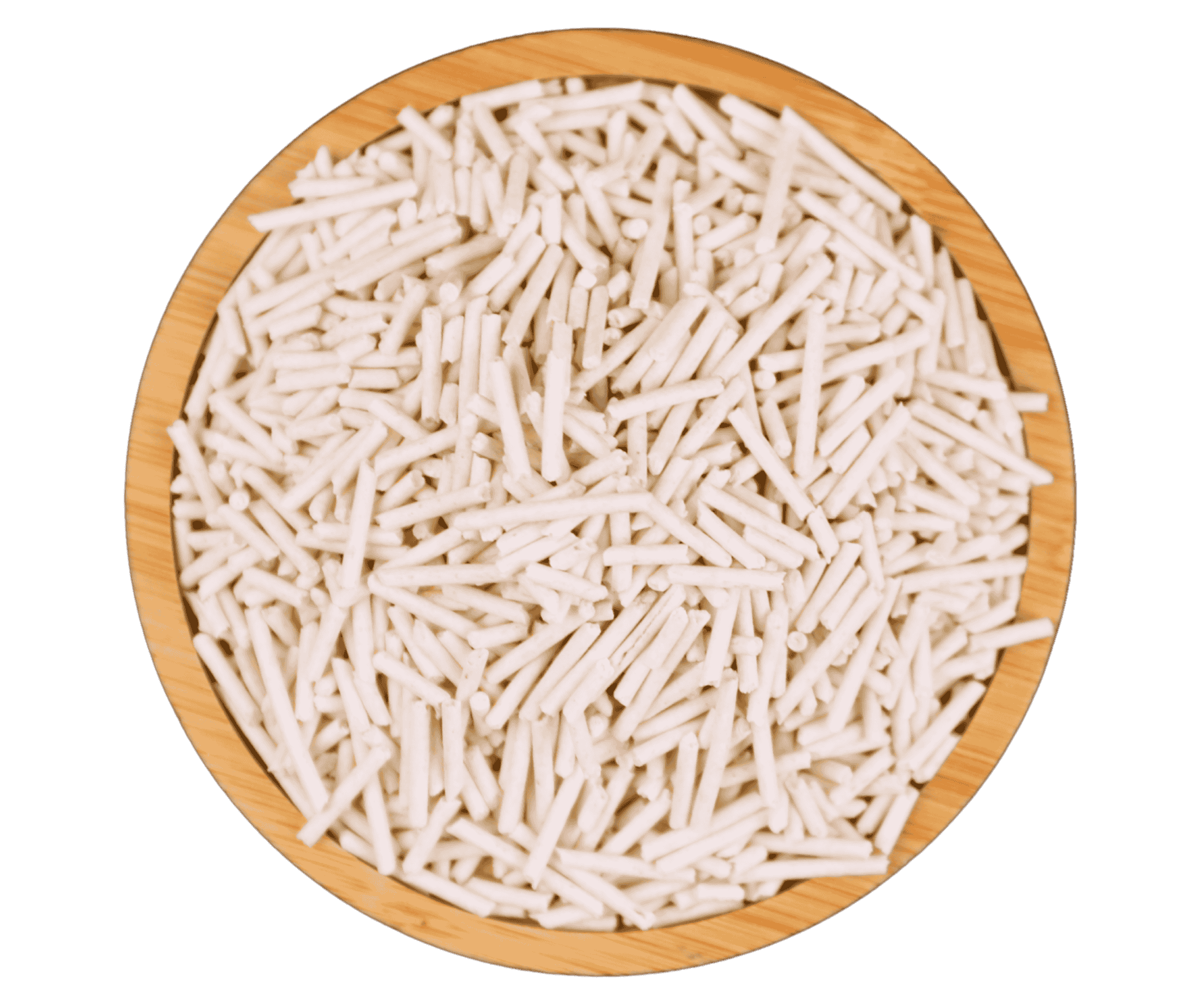
· Cassava cat litter (eco-friendly, fast clumping)
· Tofu cat litter (lightweight, low tracking)
· Mixed cat litter (balanced performance & cost)
For example, plant-based solutions such as cassava cat litter are becoming increasingly popular in Europe and North America due to sustainability trends.
Insight:
Eco-friendly ≠ niche anymore. It is becoming mainstream.
Step 2: Define Your Target Market
Before choosing specifications, define:
· Premium vs budget positioning
· Retail vs e-commerce channels
· Eco-conscious vs performance-driven buyers
Different markets prioritize different features.
Mistake to avoid:
Trying to target “everyone” usually leads to weak positioning.
Step 3: Test Product Performance
Never rely only on samples—test performance under real conditions.
Focus on:
· Clumping speed
· Clump strength
· Dust level
· Odor control
To understand common performance issues, see Why Cat Litter Fails the Clumping Test
and for odor control, see How to Control Cat Litter Box Odor
Insight:
Most product complaints come from unstable production—not bad marketing.
Step 4: Design Your Packaging
Packaging is not just visual—it affects:
· Brand perception
· Transportation safety
· Shelf positioning
Key decisions include:
· Bag material (paper-plastic vs woven)
· Size (2.5kg / 5kg / 10kg / 25kg)
· Branding elements
Insight:
Good packaging = perceived higher product value.
Step 5: Choose a Reliable Manufacturer
This is the most critical step.
Many brands fail not because of poor demand—but because of:
· inconsistent quality
· delayed delivery
· weak communication
To avoid this, refer to How to Choose a Reliable Cat Litter Manufacturer
Insight:
Your manufacturer is not just a supplier—it is your backend system.
Step 6: Plan Logistics and Pricing
Understand your full cost structure:
· Product price
· Packaging cost
· Freight cost
· Import duties
Hidden cost mistake:
Ignoring packaging weight and volume can increase shipping costs significantly.
How Gilancy Supports Private Label Cat Litter Brands
As a cat litter manufacturer, Gilancy provides solutions focused on real brand needs.
Flexible Product Solutions for Different Markets
Different markets require different products—not one universal solution.
· Cassava-based litter (eco positioning)
· Tofu-based litter (lightweight & clean)
· Mixed formulas (cost-performance balance)
Stable Performance = Brand Stability
· ~3-second fast clumping
· Dust ≤0.1%
· Deodorization ≥98.1%
Full Packaging Support (Key Advantage)
· Factory-provided packaging
· Custom packaging design
· Filling customer-supplied bags
Low MOQ + Sampling = Lower Risk
· Low MOQ (starting from ~1 ton)
· Sample support
· Flexible scaling
Efficient Export and Logistics Advantage
Being close to Qingdao Port allows faster loading and more stable schedules.
Certified and Export-Ready Production
· ISO certification
· REACH compliance
· SGS testing support
Industry References
American Pet Products Association (APPA)
World Bank Logistics Performance Index
Conclusion: Private Label Is Opportunity—Execution Is Everything
Private label cat litter offers a clear path to building a profitable pet brand.
However, success does not depend only on branding or pricing—it depends on execution:
· choosing the right product
· ensuring consistent quality
· building a reliable supply chain
Ultimately:
The right manufacturer determines how far your brand can grow
FAQ
How much does it cost to start a private label cat litter brand?
It depends on product type, packaging, and shipping. Initial investment can be relatively low with small MOQ.
What is the MOQ for private label cat litter?
Most manufacturers start from around 1 ton, allowing flexible entry.
Can I use my own packaging design?
Yes. Most factories support full customization or filling customer-provided bags.
How long does production take?
Typically 15–20 days after order confirmation.