+86 15253215219

How to Control Cat Litter Box Odor — What Really Works
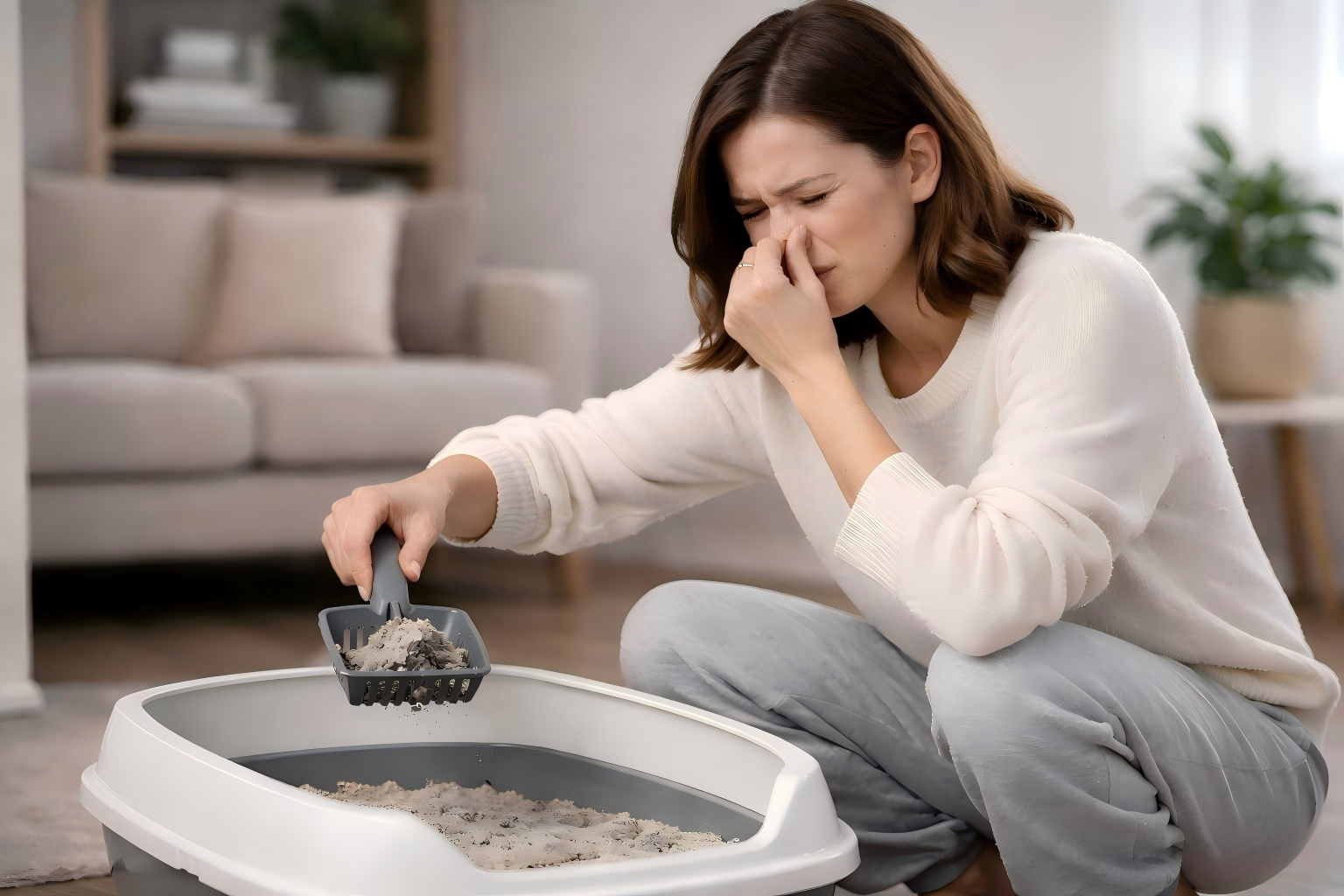
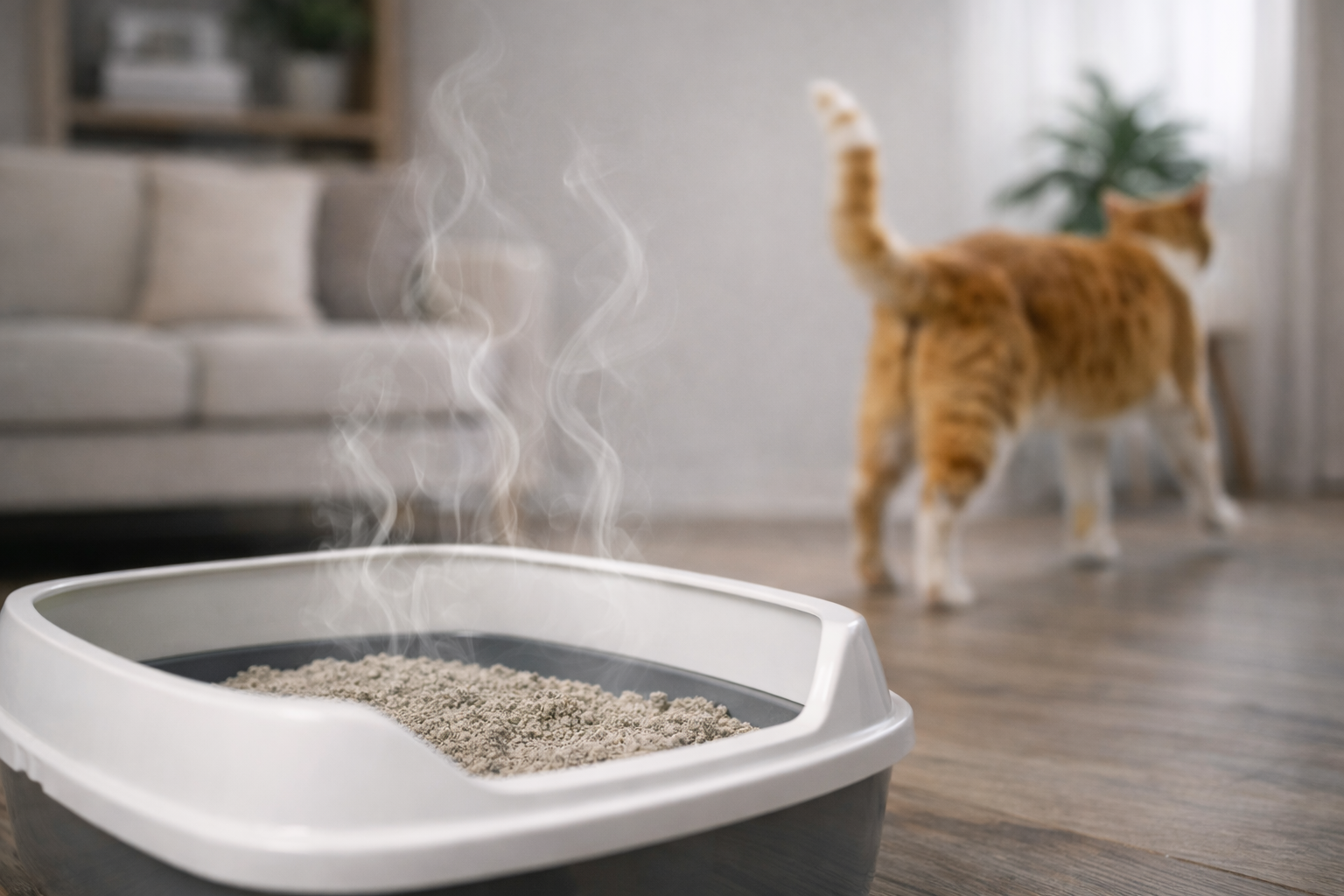
Most cat owners know this problem. You clean the litter box, but it still smells. It feels like you are doing everything right, yet the odor keeps coming back. That is because litter box odor is not caused by one single thing. It is the result of moisture, bacteria, and time working together. If you understand how odor forms, it becomes much easier to stop it — not mask it.
Why cat litter boxes start to smell
Bad odor does not appear the moment your cat uses the box. Fresh urine has very little smell. The problem starts after it sits in the litter.
Urine turns into ammonia
When urine stays in the box, bacteria begin to break it down. During this process, ammonia is released. Ammonia is what creates that sharp, unpleasant odor. The longer urine stays wet and exposed, the stronger the smell becomes.
Moisture makes odor worse
Moisture is what allows bacteria to grow. If litter stays wet for a long time, bacteria have more time to multiply. More bacteria means more ammonia, and stronger odor. If litter absorbs liquid quickly and dries fast, bacteria have much less time to work.
This is why two homes can scoop just as often but have very different results. It is not only about how often you clean, but how long the litter stays wet.
How different cat litter materials affect odor
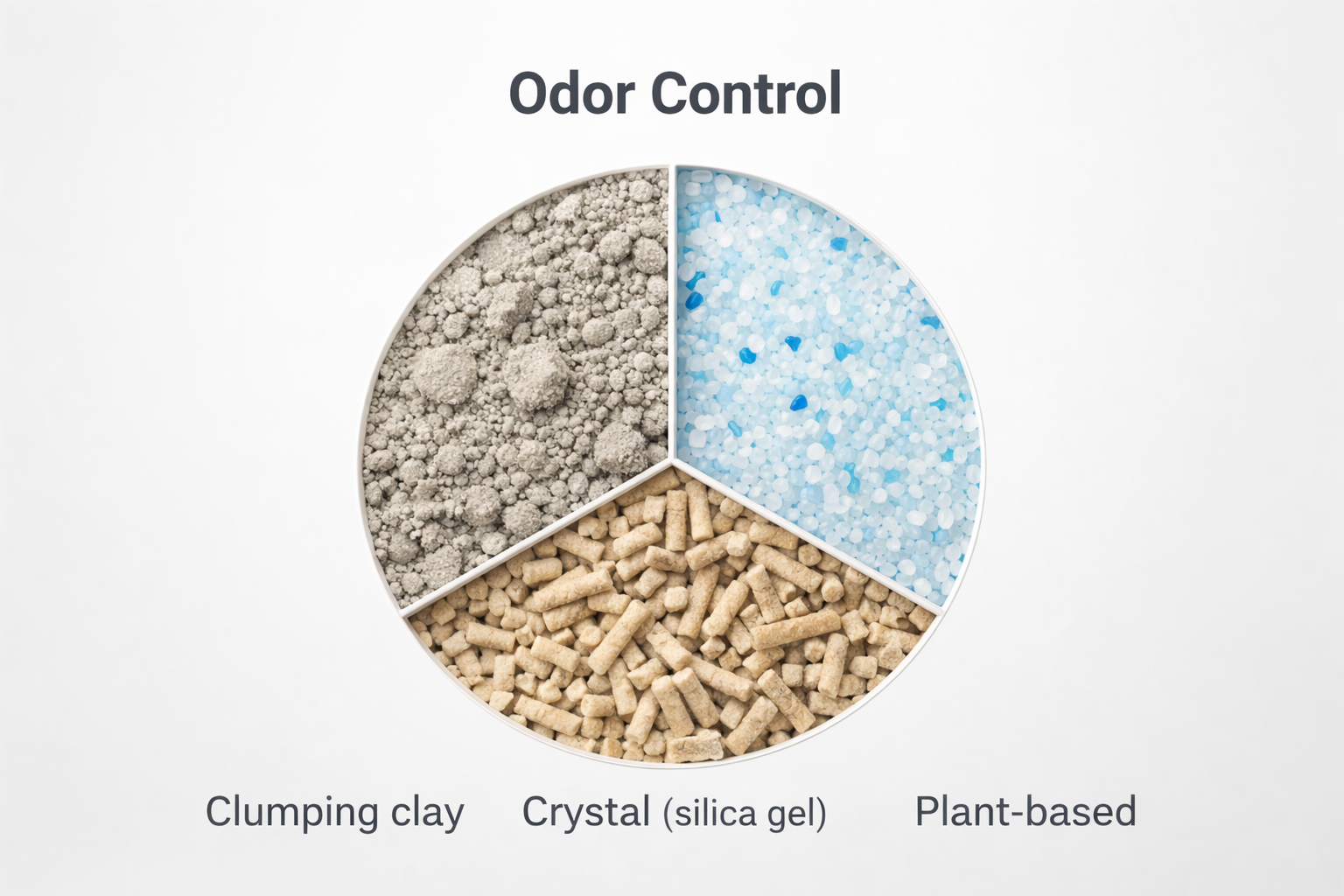
Not all cat litter controls odor in the same way. The key difference is how each material handles liquid. Below is a simple overview, followed by clear explanations.
Quick comparison
Litter type | How it handles liquid | Odor control | Main advantages | Main limitations |
Clumping clay | Forms solid clumps | Good | Easy daily scooping | Heavy, dusty |
Crystal (silica gel) | Traps moisture inside beads | Good | Long-lasting | Urine stays until replaced |
Plant-based | Absorbs very fast | Good to very good | Lightweight, eco-friendly | Quality varies by brand |
Clumping clay litter
Clumping clay expands when it gets wet and forms solid clumps. This makes daily scooping much easier. Removing urine early helps reduce odor. However, clumping clay can be heavy and produce dust.
Crystal (silica gel) litter
Crystal litter traps liquid inside tiny pores. Moisture is held and slowly released through evaporation. It controls moisture well, but urine stays in the box until the litter is replaced. If waste is not removed early, odor can still build over time.
Plant-based litter
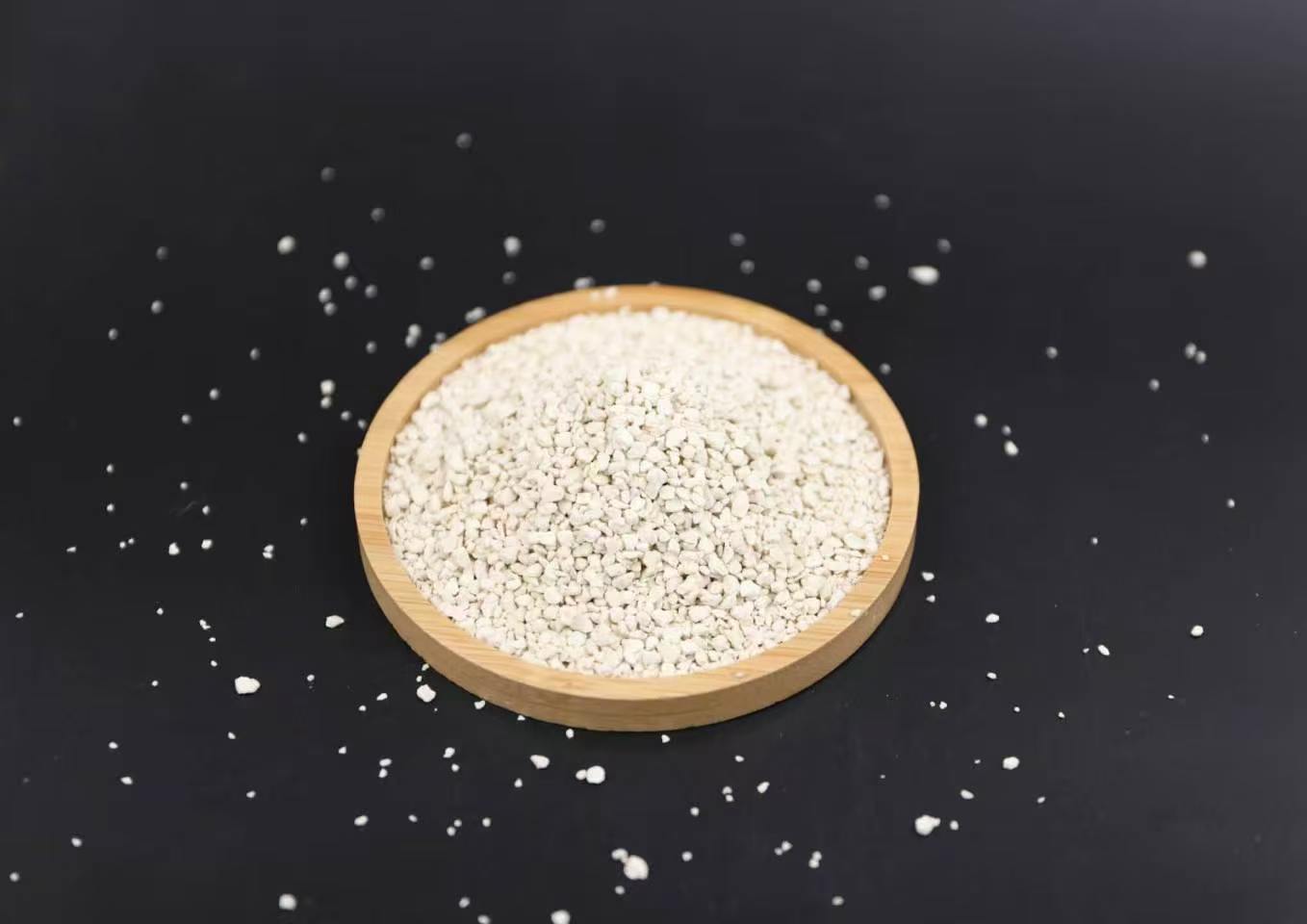
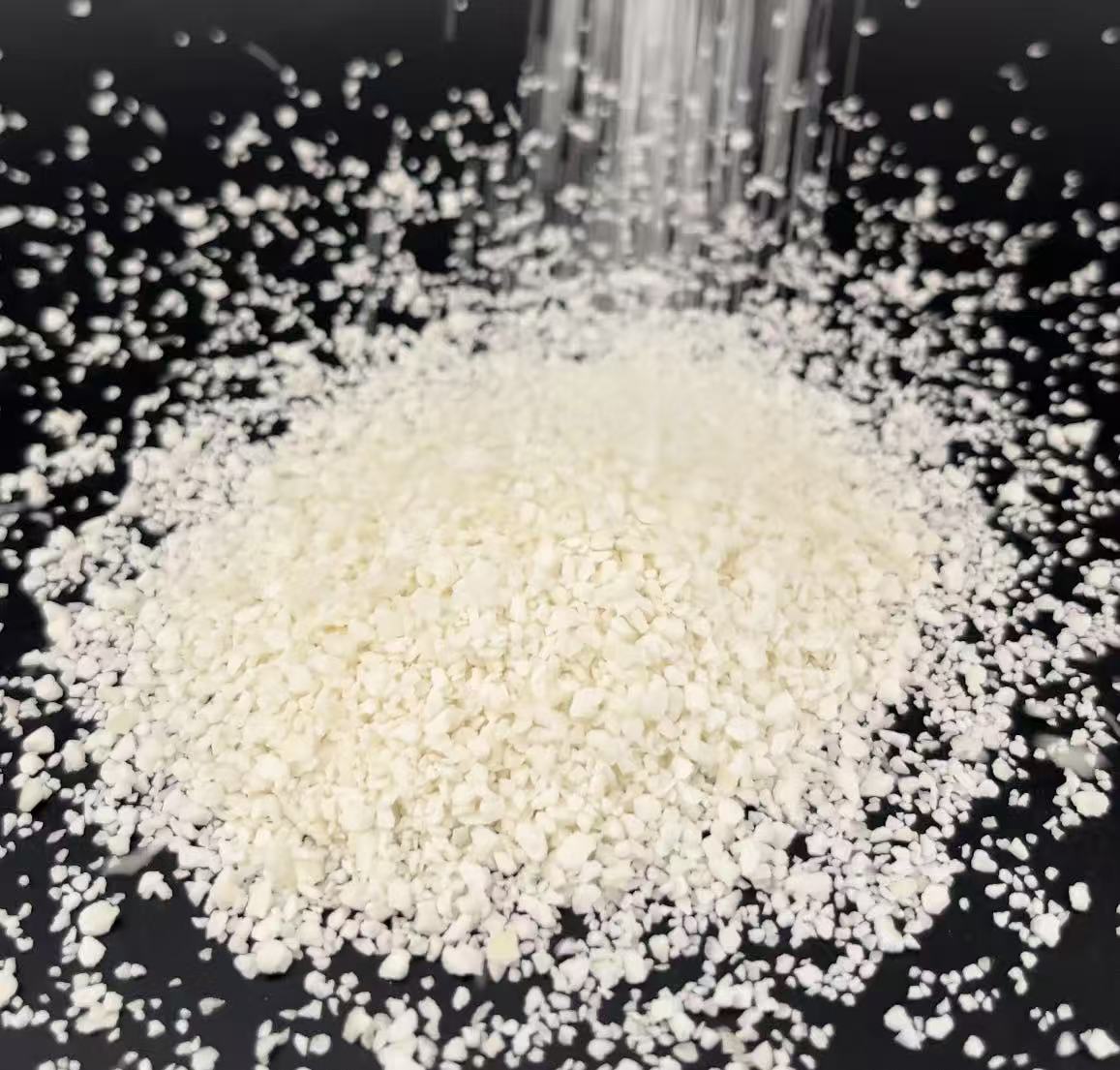
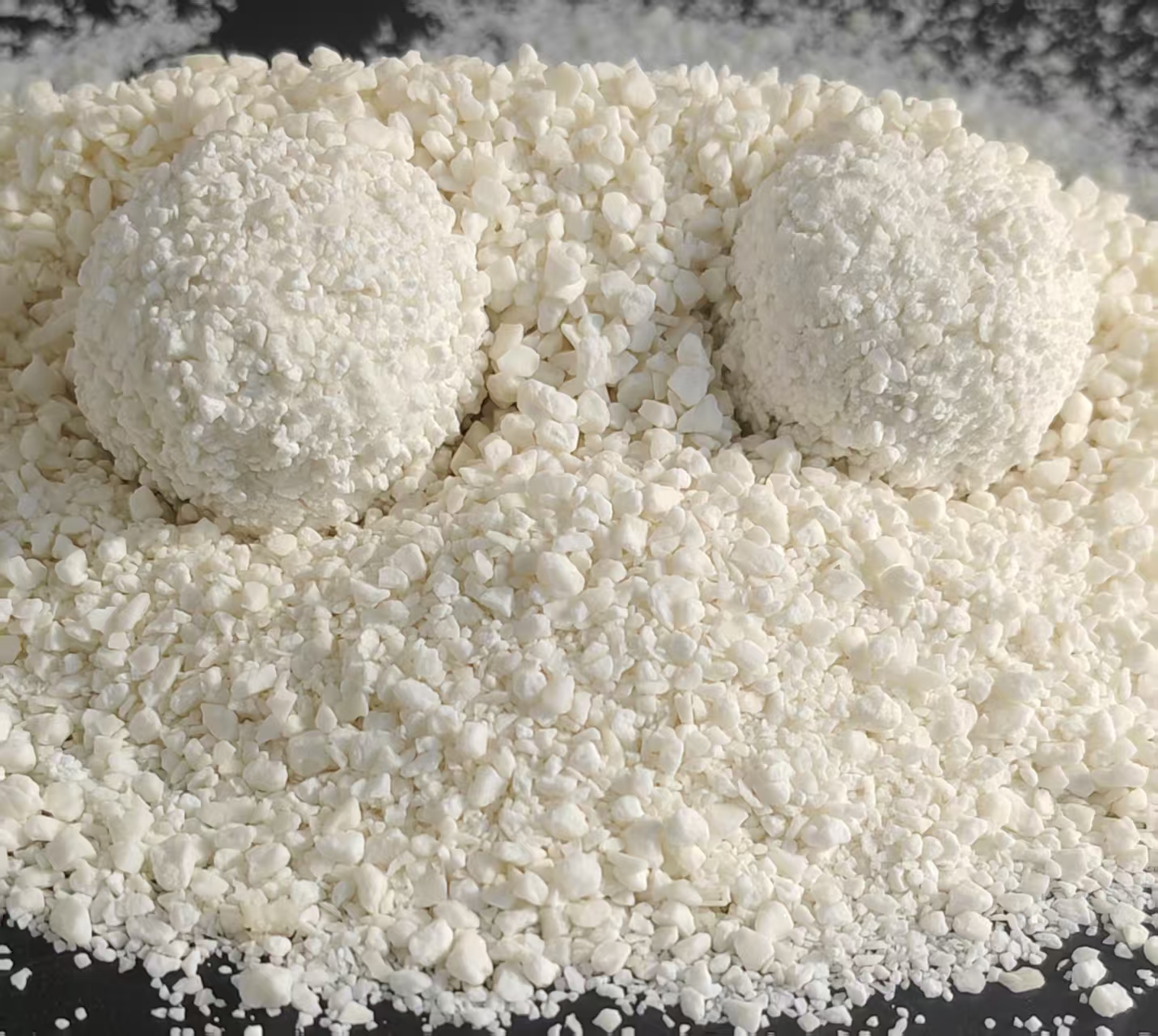
Plant-based litter uses natural fibers or starch to absorb liquid quickly. Fast absorption limits how long urine stays exposed to air. Less exposure means less time for bacteria to produce odor. Many plant-based litters are also lightweight and biodegradable. Some types do not clump tightly, so regular scooping is important.
What actually helps reduce litter box odor
You do not need complicated solutions. These steps work because they stop odor before it forms.
Scoop every day
Daily scooping removes waste before ammonia develops. This is the most effective habit. Fast-absorbing litter makes daily scooping even more effective.
Choose litter that absorbs quickly
Absorption speed matters more than total absorption. Slow absorption gives bacteria time to create odor. Fast absorption limits that window.
Keep the right litter depth
Too little litter absorbs poorly. Too much can trap moisture and break clumps. An even, moderate layer works best.
Clean the box itself
Odor does not only come from waste. It also sticks to the litter box. Plastic boxes can absorb smell over time. If a box smells even after washing, the box itself may be the problem.
Replace old litter boxes
Old plastic can hold odor inside the material. Replacing the box can solve a problem cleaning cannot.
Avoid heavy fragrance
Strong scent hides odor instead of removing it. When the fragrance fades, the smell often comes back stronger.
Placement matters more than most people think
Many people place the litter box in a small, closed space. This often makes odor feel stronger, not weaker. Poor airflow traps smell and allows it to build up. Even a clean litter box can smell bad in a closed area. Simple airflow helps odor disperse naturally.
Common mistakes that make odor worse
These are very common:
Scooping every few days instead of daily
Adding new litter without washing the box
Using slow-absorbing litter
Relying on fragrance to cover odor
Keeping the box in an unventilated space
Fixing just one of these can noticeably reduce odor.
Questions people often ask
Why does my litter box still smell after cleaning?
Odor may come from moisture trapped in the litter or absorbed by the box itself. Cleaning alone does not solve that.
Does baking soda help with odor?
It can reduce mild odor. It does not stop bacteria or ammonia formation.
Is plant-based litter effective for odor control?
Yes, especially when absorption is fast. Speed matters more than the material name.
How often should litter be fully changed?
Most homes change all litter every 2–4 weeks. This depends on the number of cats and litter type.
Final thought
Litter box odor is not a mystery. It is the result of moisture, bacteria, and time. Odor is not something to cover up. It is something to stop early. When liquid is absorbed quickly and waste is removed in time, smell stays low. No tricks — just controlling the problem before it starts.