+86 15253215219

- 28 Mar 2026
Why Does Cat Litter Fail the Clumping Test?
Introduction
Many cat litter buyers perform a simple clumping test before choosing a supplier. This test simulates how litter reacts when it absorbs cat urine. Buyers usually evaluate clumping speed, clump strength, and whether the clumps remain intact when scooped.
However, many litters fail this test. The clumps may break easily, form slowly, or appear weak. In most cases, the root cause is related to raw materials, particle structure, and manufacturing technology.
What Is a Cat Litter Clumping Test?
Clumping performance is one of the most important indicators of litter quality. Industry experts often evaluate litter based on absorption speed, clump strength, and scoopability. For a scientific explanation of how litter chemistry works, see clumping performance research.
Reason 1: Weak Particle Structure
The internal structure of litter granules determines how well particles bind together when they absorb liquid. If granules are loose or fragile, they may not form strong clumps. This issue is often caused by low compression during the granulation stage of production.
Reason 2: Raw Material Absorption
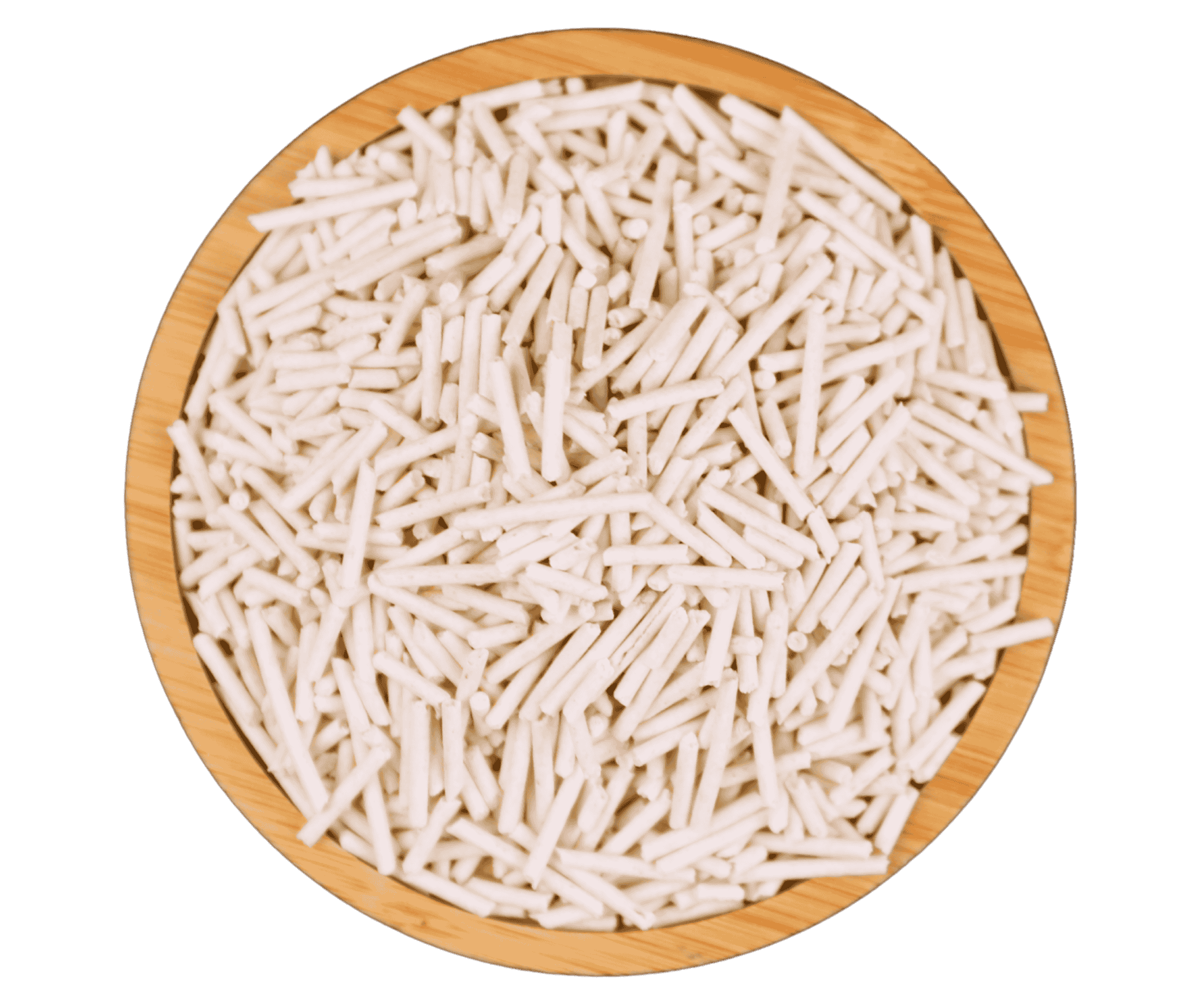
Raw materials also affect clumping. Many modern plant‑based litters rely on natural starch binders such as cassava cat litter which absorbs moisture quickly and forms strong clumps when processed correctly.
Reason 3: Particle Size Design
Particle size plays an important role in clumping performance. If particles are too large, liquid absorption becomes slow. If particles are too small, clumps may become fragile. Optimized particle size improves liquid distribution and clump stability.
How Manufacturing Technology Improves Clumping
In modern cat litter production, clumping performance depends heavily on manufacturing technology. Advanced production lines control granule density, particle uniformity, and moisture levels to ensure consistent performance.
Gilancy's Approach to Strong Clumping Performance
Gilancy focuses on production technologies designed for strong clumping and export stability.
Hydraulic Dry Granulation
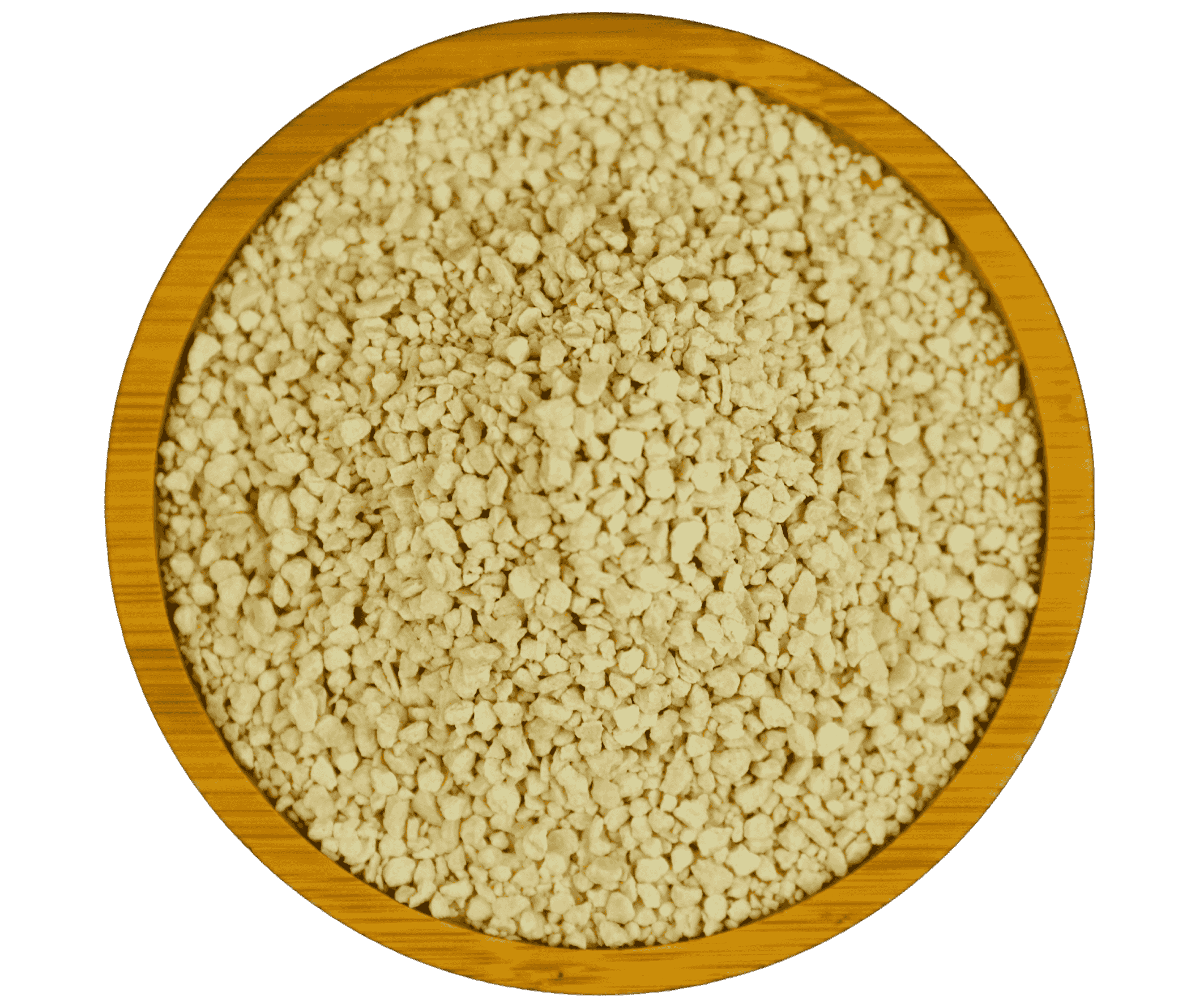
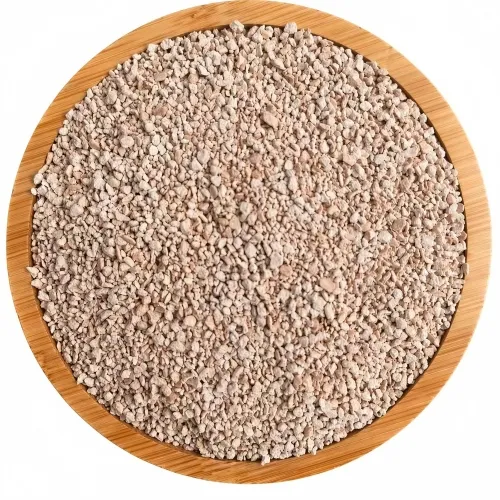
High pressure granulation helps create dense and durable particles. For example, plant‑based mixed litter is produced using compressed plant materials to maintain consistent particle structure.
Cassava‑Based Clumping Formula
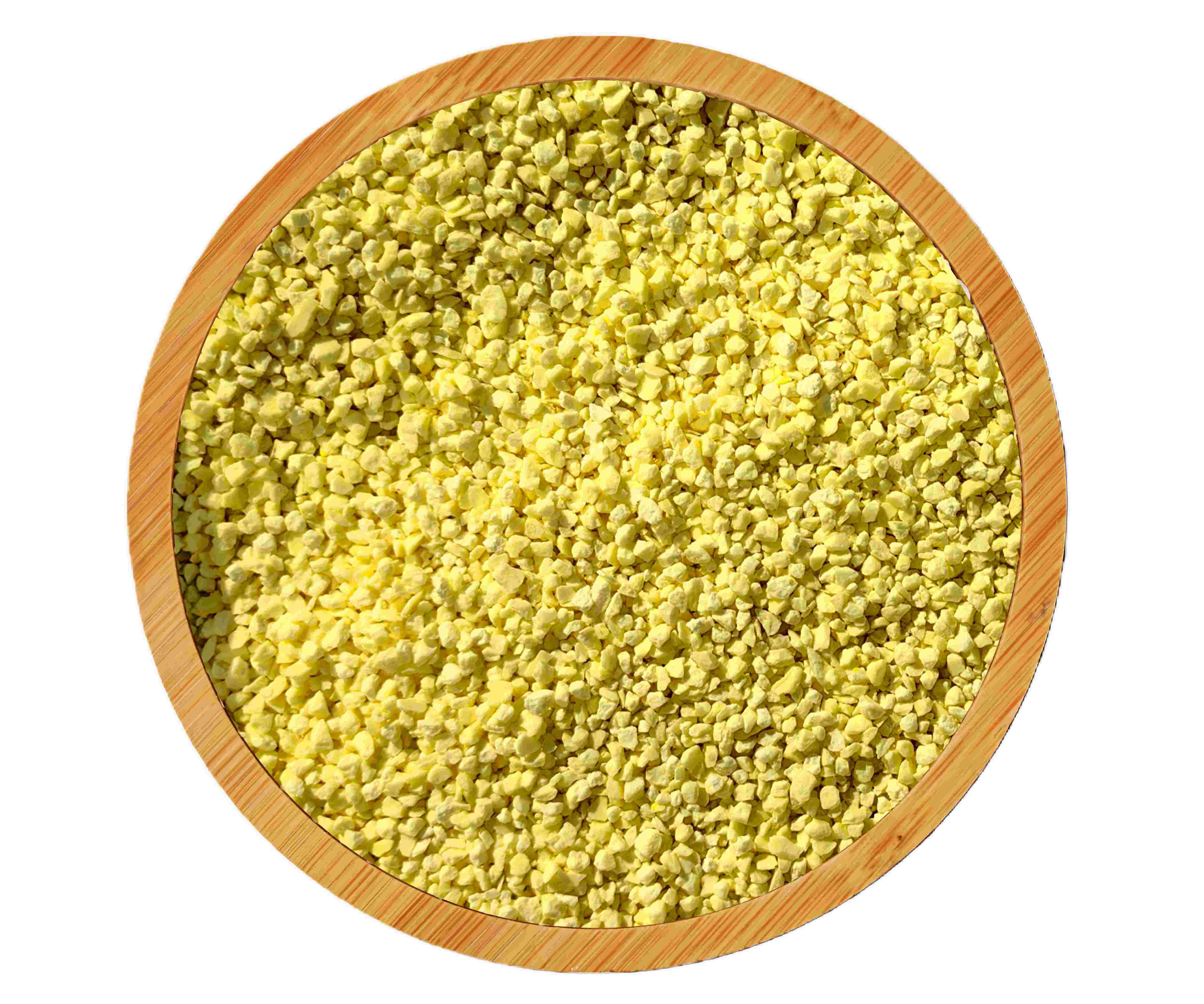
Natural starch binders improve clumping performance. For example, cassava cat litter formula can form strong clumps within seconds when exposed to liquid.
Odor Control Support
Clumping and odor control often work together. Advanced deodorizing materials such as seaweed deodorizing granules can help maintain freshness while clumps form.
Why Consistent Clumping Matters for Pet Brands
Consistent litter performance helps maintain customer satisfaction and brand reputation in the global pet market where demand for high‑quality litter products continues to grow.
Conclusion
When cat litter fails the clumping test, the issue usually relates to particle structure, raw material quality, and production technology. Manufacturers that invest in advanced granulation processes and plant‑based formulas can deliver more reliable clumping performance for international pet brands.