+86 15253215219

How to Choose a Reliable Cat Litter Manufacturer: A Guide for Pet Brands
Launching or growing a cat litter brand is exciting. But finding the right manufacturer can be difficult.
Many buyers ask the same questions: Which factory can provide stable quality? How can you verify production capacity? Which materials are best for your market? Can the manufacturer support private label brands?
This guide explains how experienced pet brands evaluate cat litter manufacturers and what to look for before starting cooperation.
Why the Choice of Manufacturer Matters
The cat litter industry has changed quickly in recent years. Pet owners are looking for products that are low dust, strong clumping, natural or plant‑based, and environmentally friendly.
According to the American Pet Products Association (APPA), global demand for pet products continues to grow as more households treat pets as family members.
For brands, this means the quality and reliability of manufacturing partners has become more important than ever.
Key Factors When Choosing a Cat Litter Manufacturer
1. Raw Materials and Formula
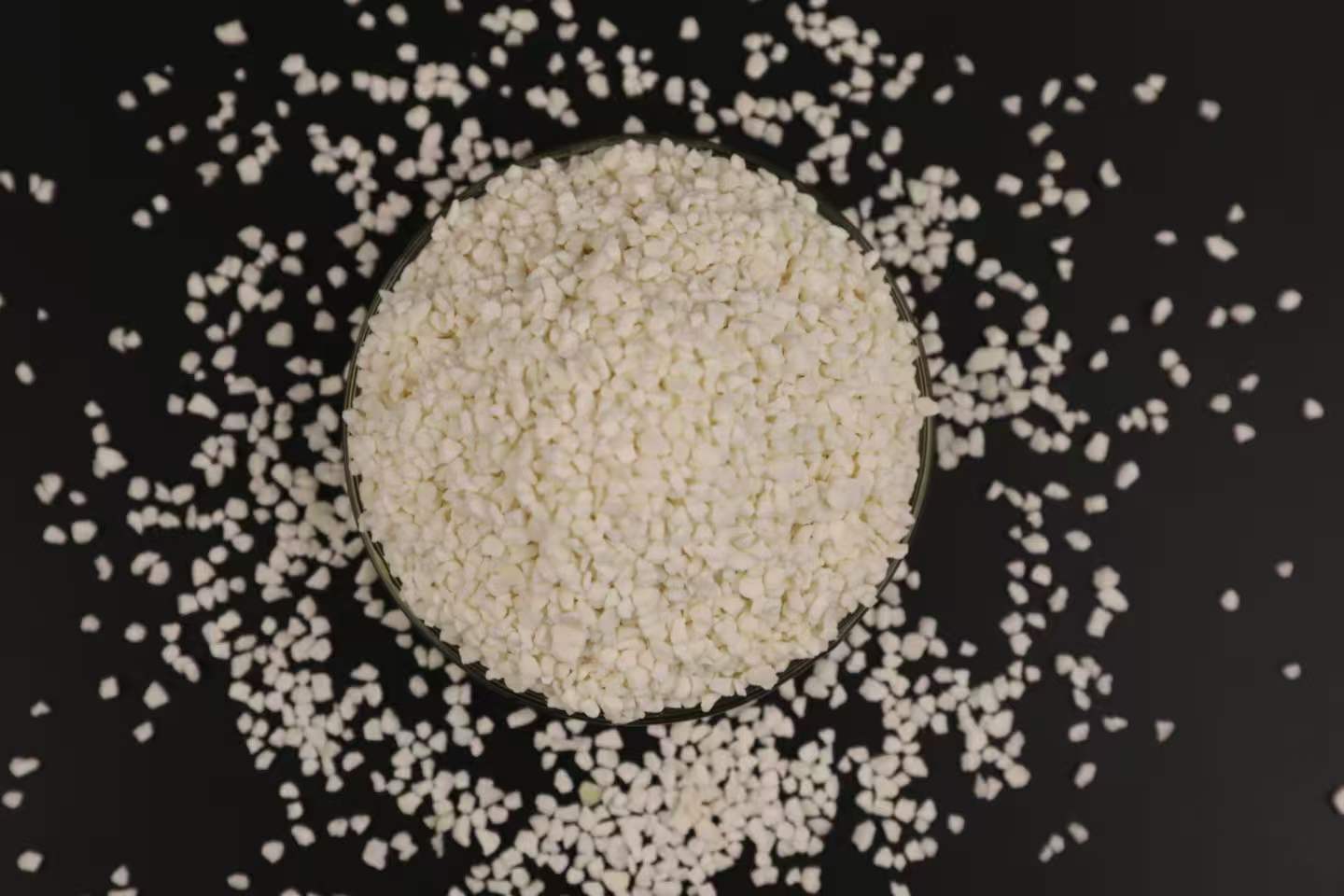
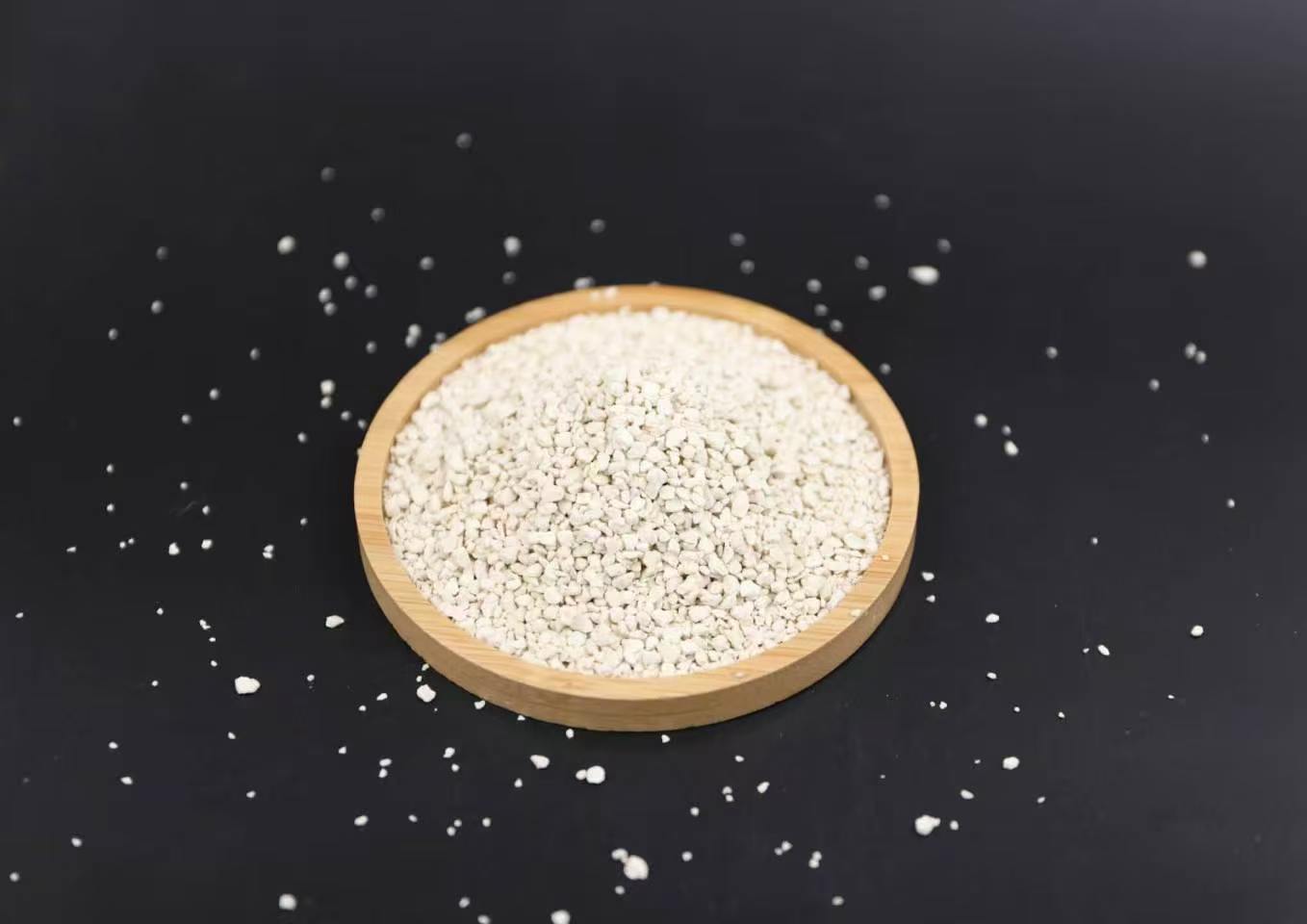
Different materials create different product performance. Common materials include bentonite clay, tofu litter, cassava litter, and mixed plant‑based litter.
Plant‑based litter has become increasingly popular in many markets including the United States and Europe.
Example products: Cassava cat litter, tofu cat litter, and tofu‑cassava‑bamboo mixed litter.
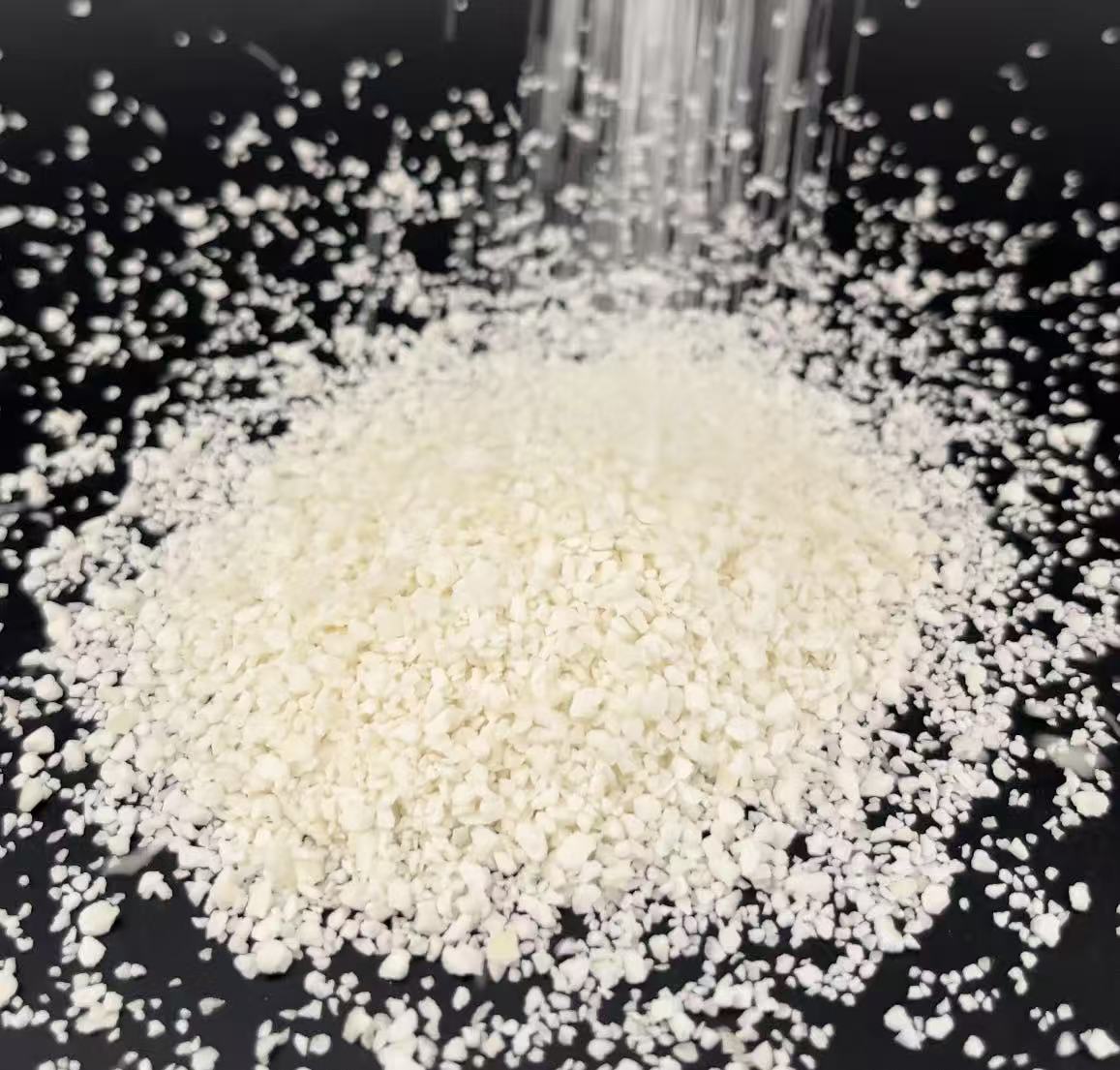
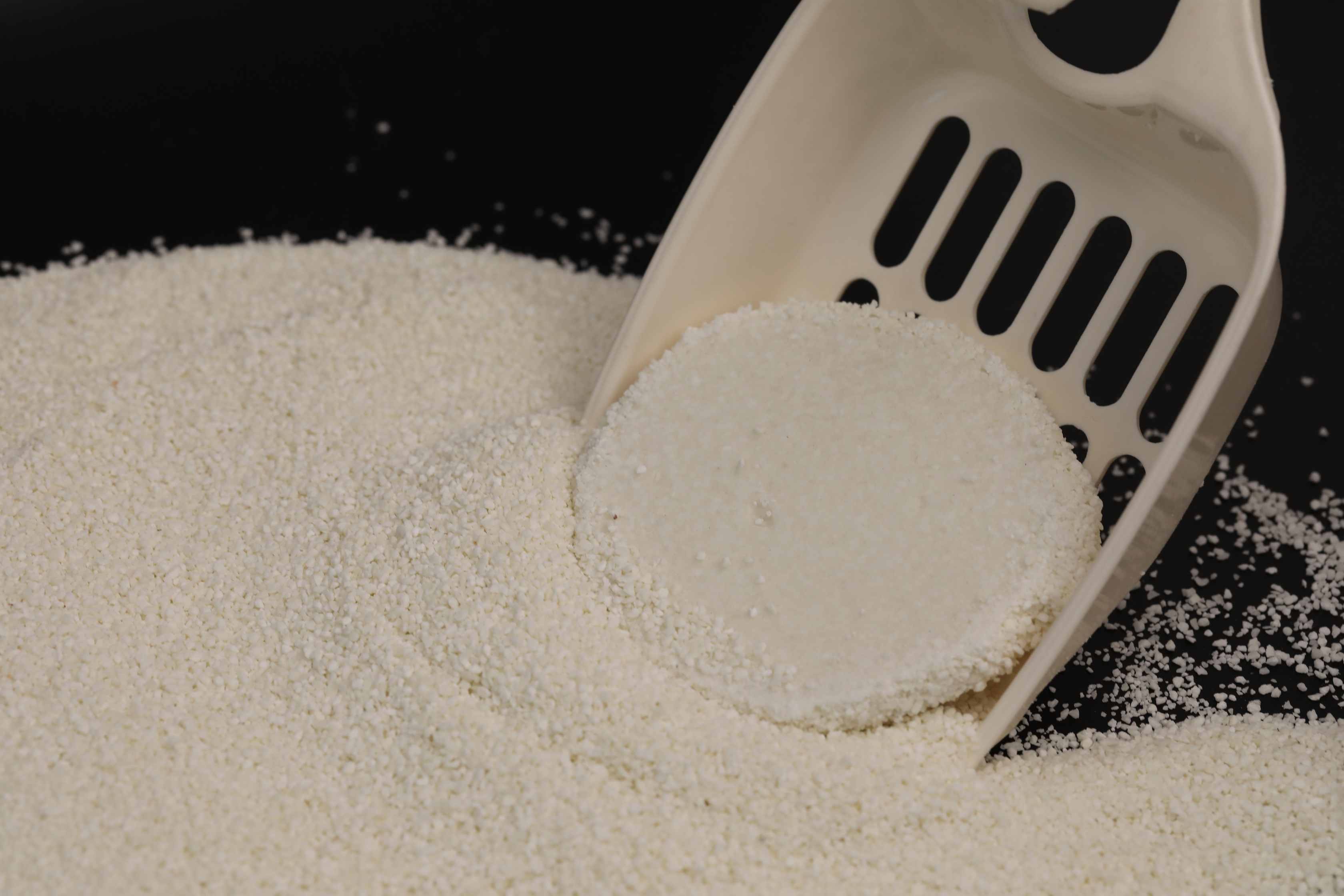
Blended formulas combine advantages such as strong clumping, natural deodorization, low dust, and lightweight granules.
2. Production Technology
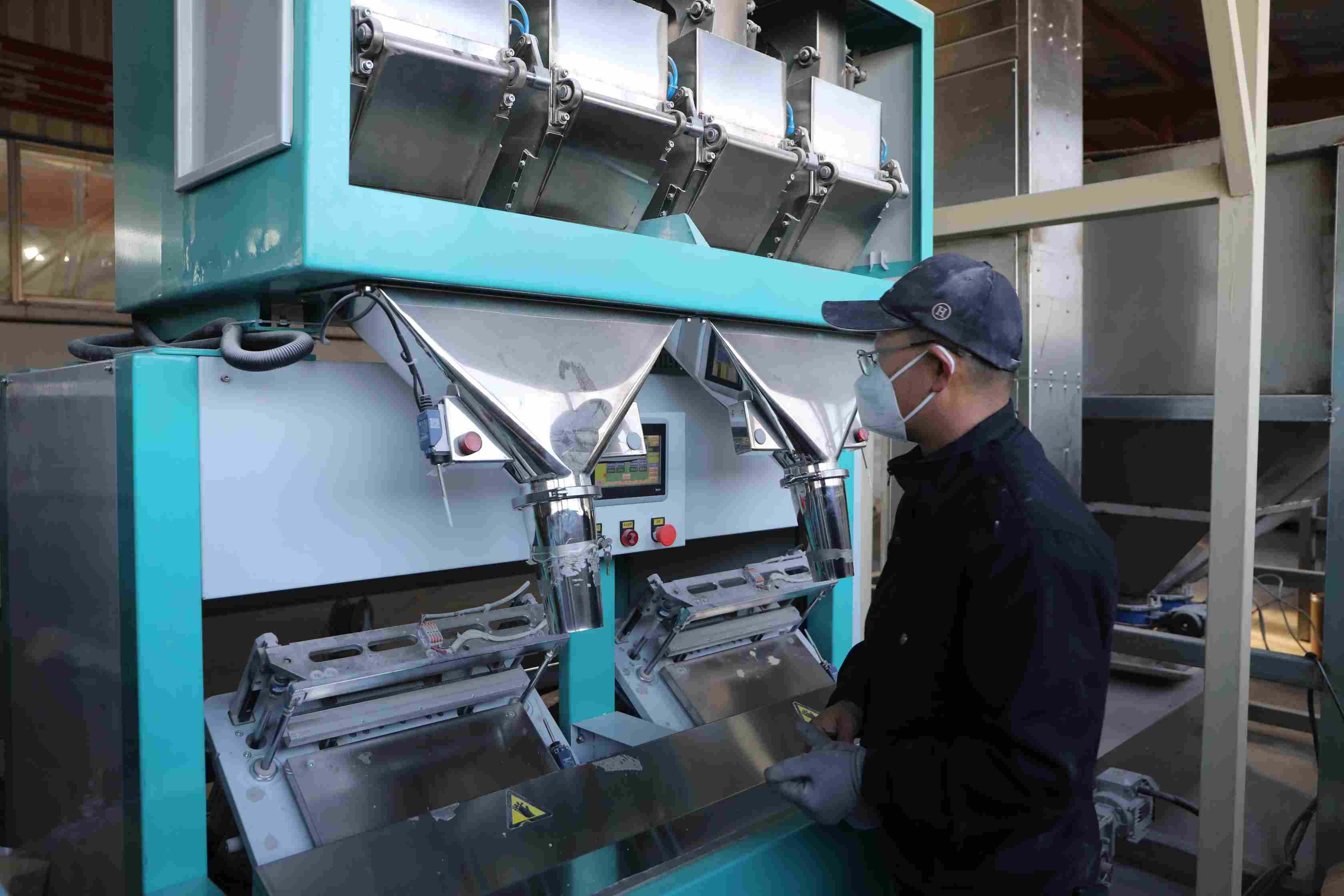
Professional manufacturers usually invest in automated production lines, hydraulic forming technology, dust removal systems, and strict drying processes.
These technologies improve clumping strength, particle consistency, and dust control. Stable production technology is essential for large retail brands and distributors.
3. Odor Control Technology
One of the biggest complaints from cat owners is litter box smell. Most odor comes from ammonia, which forms when bacteria break down urine.
Effective litter products control odor through fast absorption, tight clumping, and deodorizing additives.
Some modern plant‑based litter formulas combine bio‑enzymes or natural deodorizing ingredients such as seaweed extracts.
Why Many Brands Are Switching to Plant‑Based Cat Litter
Consumers increasingly prefer renewable materials over mined minerals. Plant‑based litter often produces less dust and is lighter, which improves convenience and shipping efficiency.
Industry research also shows growing consumer interest in sustainable pet products.
What Experienced Buyers Look for in a Cat Litter Factory
Production Capacity: Can the factory support stable bulk orders and long‑term supply?
Certifications: Reliable factories often hold ISO quality systems, REACH compliance, and third‑party testing reports.
Private Label Support: Many brands require OEM production, private label packaging, and customized formulas.
Why Some Brands Work Directly With Manufacturers
Working directly with factories can offer better price control, faster product development, clearer communication, and more stable long‑term supply.
This approach is common among pet product brands, distributors, retail chains, and e‑commerce brands.
About Gilancy Cat Litter Factory
Gilancy is a manufacturer specializing in plant‑based cat litter solutions. The factory focuses on materials such as cassava starch, tofu fiber, and bamboo fiber.
These materials allow production of litter with strong clumping, low dust, and natural deodorization.
Many brands choose plant‑based litter to match the growing consumer interest in sustainable pet products.

Final Thoughts
Choosing the right cat litter manufacturer is one of the most important decisions for a pet brand.
A reliable supplier should provide stable production, consistent quality, flexible product options, and transparent communication.
As the global pet industry continues to grow, manufacturers and brands will work more closely to develop products that meet changing consumer expectations.