+86 15763937065

- 23 Mar 2026
What to Check Before Importing Cat Litter from China
Why Importing Cat Litter from China Requires Careful Evaluation
China is one of the largest suppliers of cat litter, offering competitive pricing and flexible manufacturing. However, not all suppliers provide consistent quality. Many import issues are not caused by price, but by quality inconsistency, packaging failure, and shipping damage. Understanding what to check before importing can help buyers avoid costly mistakes.
Key Factors to Check Before Importing Cat Litter
Raw Material and Formula Stability
Different factories use different raw materials such as cassava, tofu, or bentonite. Even if samples look similar, mass production may vary. Stable sourcing and standardized formulas are critical.
Clumping Performance and Moisture Behavior
Clumping speed and strength directly affect usability. Poor clumping may lead to product complaints. For deeper insights, see why cat litter fails the clumping test
Odor Control Technology
Some suppliers rely on fragrance, while others use real deodorization technologies such as enzymes or plant extracts. Understanding the difference is essential. Learn more in cat litter odor control guide
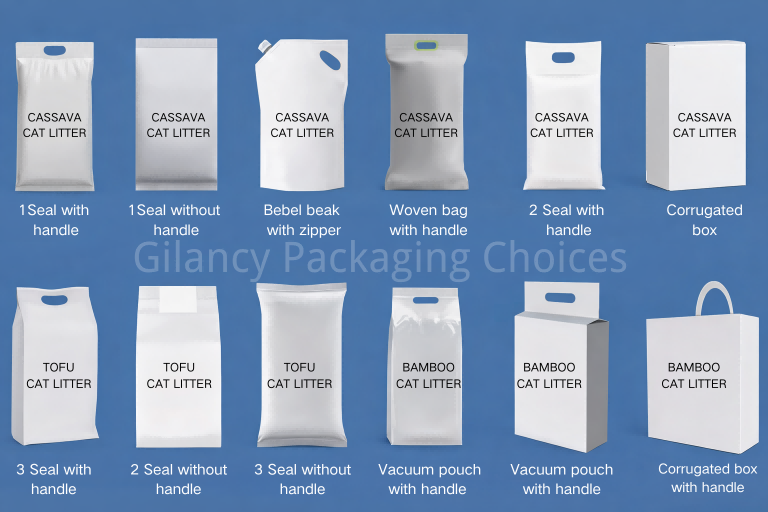
Packaging Quality and Options
Packaging strength and moisture resistance are critical during long-distance shipping. Weak packaging can lead to leakage and product loss.
Certifications and Compliance
Check whether the supplier complies with regulations such as REACH and provides MSDS documentation. Different markets have different requirements.
Shipping and Logistics Risks
Shipping conditions such as humidity and transit time can affect product performance. Read more about how shipping distance affects cat litter export costs
How Gilancy Helps Buyers Reduce Import Risks
As a professional cat litter manufacturer, Gilancy focuses on stable quality, reliable packaging, and export-ready production systems.
Stable Raw Material Supply
Standardized sourcing ensures consistent product quality across batches.
Consistent Clumping Performance
Optimized production enables fast clumping within seconds with stable performance.
Advanced Deodorization System
Combination of bio-enzyme and plant-based deodorization technologies achieving high odor control performance.
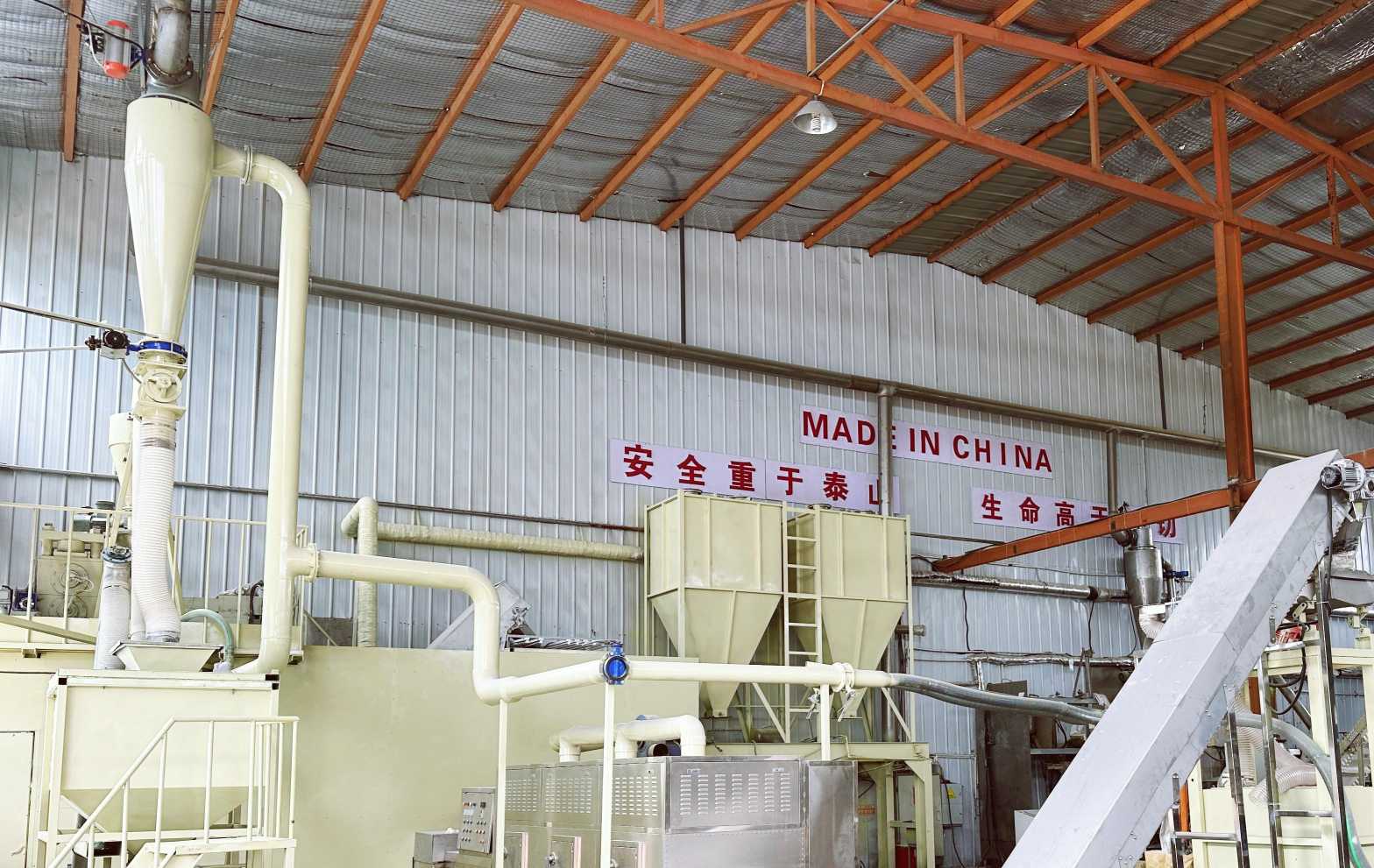
Low-Dust Production Control
Multi-stage dust removal systems keep dust levels extremely low.
Flexible Packaging Solutions
Gilancy offers flexible packaging options including factory-provided bags, custom design, and filling customer-supplied bags.
Export Experience and Logistics Efficiency
Efficient loading and proximity to major ports help reduce shipping risks and delays.
Certified Production System
Production follows international standards ensuring compliance and reliability.
Industry References
American Pet Products Association (APPA)
– pet market trends and data.
World Bank Logistics Performance Index
– global logistics insights.
Conclusion
Importing cat litter is not only about price, but about controlling risks across production, packaging, and logistics. Choosing the right supplier ensures long-term stability and product reliability.
FAQ
Q: What is the biggest risk when importing cat litter?
A: Quality inconsistency and shipping damage.
Q: How to test a supplier?
A: Start with samples and trial orders.
Q: What certifications are required?
A: REACH and safety documents depending on market.
Q: Is plant-based litter better?
A: Often yes due to lightweight and eco-friendly benefits.