+86 15253215219


- 22 Oct 2026
Paper Free Day, Pet Biz Korea 2026, and Why the Future of Litter Is Hybrid Plant-Based Formulas
October 22, 2026, brings together two events: International (and Russian) Paper Free Day and the opening of the Pet Biz Korea 2026 B2B expo in Seoul. At first glance, they are unrelated. But both point to the same trend: the cat litter market is moving toward plant-based formulas that solve environmental and practical problems at once.
1. Paper Free Day: Why "Paper" Is Not Always Eco-Friendly
October 22 marks International Paper Free Day (World Paper Free Day). The date was established to promote rational paper use and reduce paper document flow. In 2026, it falls on the fourth Thursday of October.
At first glance, the holiday is far from the pet industry. But the connection is direct. Paper-based cat litters are often positioned as an "eco-friendly alternative" to bentonite. However, paper production is resource-intensive: it consumes wood, water, and energy, and paper waste occupies up to 40% of landfill space.
Plant-based litters made from corn starch, cassava, or soy pulp are by-products of food production. They don't require logging and decompose faster. That's why Paper Free Day is a good occasion to reconsider what's in your cat's litter box.
2. Pet Biz Korea 2026: What Distributors Are Looking For
On the same day, October 22, Pet Biz Korea 2026 opens in Seoul — a B2B expo for pet industry professionals. The event features 55 companies and 240 booths covering pet food, supplies, manufacturing, distribution, and franchises. Key programs include the "Global Export Consultation," where Korean manufacturers meet international buyers for one-on-one negotiations.
For distributors and brands, this is an important platform. It's at events like this that you can see which products will define the shelf a year from now. And one of the main trends of 2026 is hybrid plant-based litters.
3. Product of the Week: The Cassava-Tofu Hybrid from Popomong
Three days before the expo opened, on October 19, Korean brand Popomong (Kleen Nara) introduced a new product — "Instant Clumping: Cassa-Tofu."
What matters for distributors:
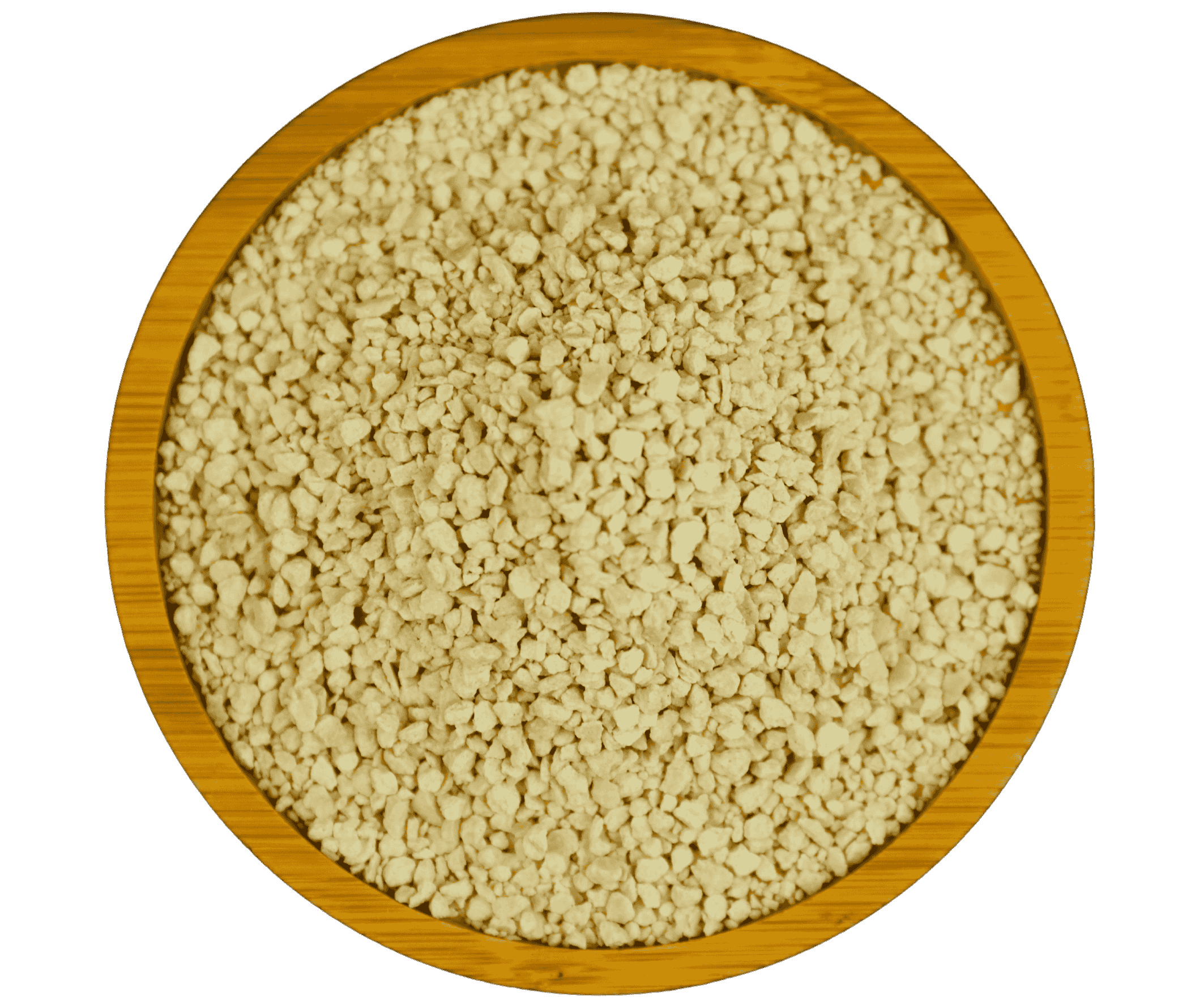
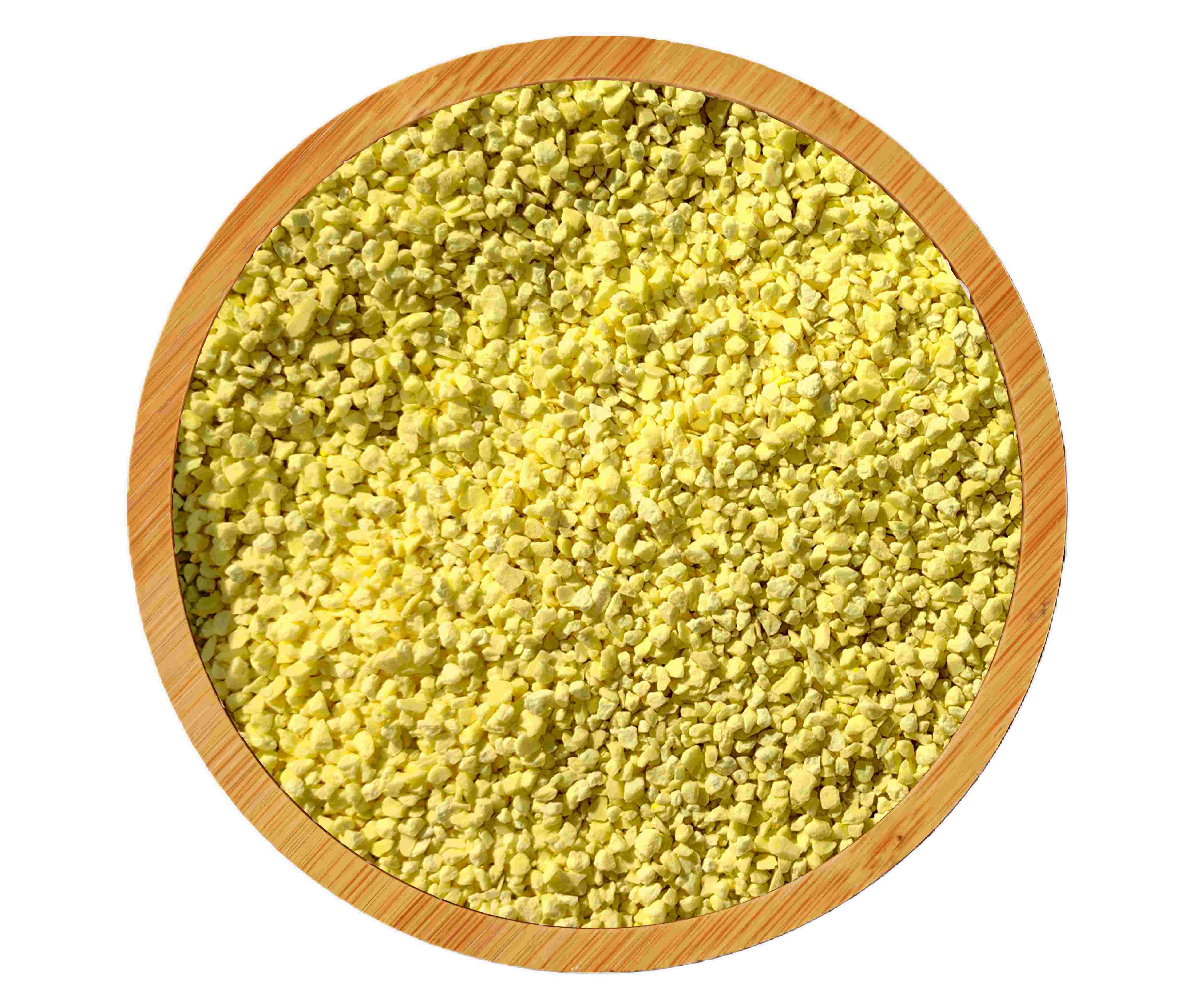
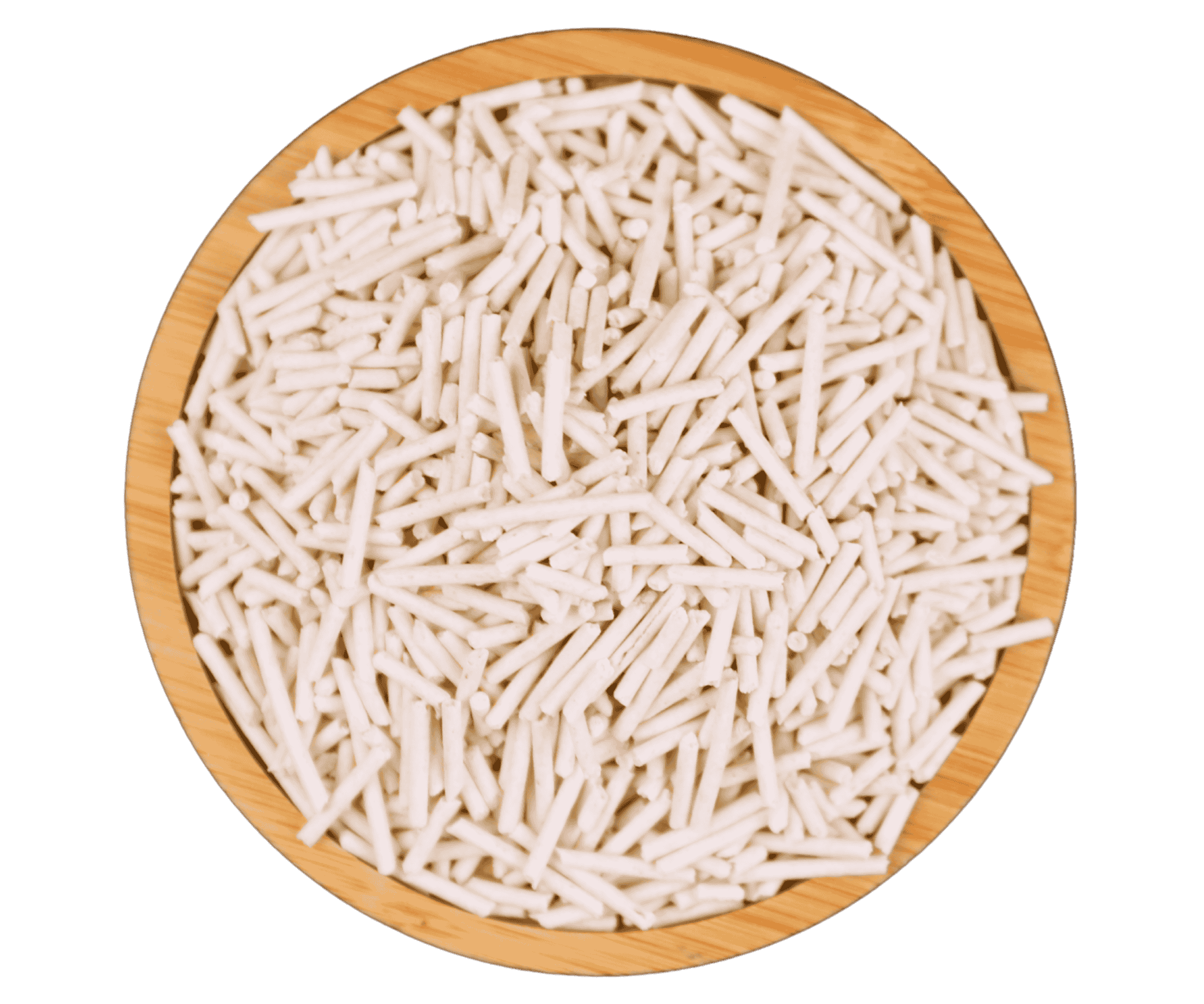
Hybrid formula. The base is soy pulp (tofu base) with added corn and cassava starch in optimal proportion.
Fine granule size. 1.5 mm granules — cats prefer finer texture, and owners note easier cleaning.
Fast clumping. 96% clump strength in tests.
Odor control. 99.1% odor removal efficiency.
Low dust. Dust level at 0.3%, fragrance-free.
Safety. Formaldehyde and aflatoxins not detected.
This product illustrates an important shift: manufacturers are no longer competing within a single category ("tofu" or "cassava"). They are blending raw materials to achieve a balance of price, dust, clumping, and sustainability.
4. Why Hybrid Formulas Win Over Single-Product Lines
The plant-based litter market is growing at 8.8% annually. But competition within the category is intensifying. Single-product lines (pure tofu, pure cassava, pure bamboo) have limitations:
Tofu — cheap and recognizable, but dustier than cassava and has a mild soy scent.
Cassava — very low dust (≤0.1%) and neutral aroma, but more expensive.
Bamboo — antibacterial properties, but less known to consumers.
Hybrid formulas address these limitations. Cassava reduces dust and enhances clumping. Tofu provides recognition and lowers cost. Together, they create a product that is harder to copy and easier to sell with premium positioning.
5. What This Means for Distributors and Brands
First, hybrid formulas are an opportunity for differentiation. The shelf is getting crowded with "just tofu" and "just cassava." A hybrid with concrete numbers (96% clumping, 99.1% odor removal, 0.3% dust) gives you selling arguments.
Second, such products are easier to certify and promote as "eco-friendly." Plant-based raw materials + low dust + fast decomposition — that's a ready-made marketing story.
Third, events like Pet Biz Korea 2026 show that Asian manufacturers are actively seeking export channels. For Russian and European distributors, this is a chance to find a partner directly, without intermediaries.
6. Checklist: What to Look for in a Hybrid Litter
Composition. Cassava and tofu should be listed as primary components, not "additives."
Granule size. 0.5–3 mm is optimal for cats.
Dust level. ≤0.3%, with the best samples at ≤0.2%.
Clumping speed. 3–5 seconds.
Odor removal. 95%+ in test results.
No harmful additives. Free from triclosan, borax, benzalkonium chloride.
Certificates. ISO, REACH, toxicology reports.
7. Why This Matters on October 22
October 22 is the day when environmental responsibility (Paper Free Day) meets commercial practice (Pet Biz Korea 2026). For a cat owner, this means one thing: the choice of litter is no longer binary ("paper or bentonite"). Plant-based hybrids offer a third path — practical, safe, and eco-friendly.
And for a distributor, it's a signal: the shelf is changing. Those who bring hybrid formulas with proven characteristics first will gain an advantage.