+86 15253215219


- 20 Oct 2026
Why Cassava Litter Is Taking Over Europe and Southeast Asia
Five years ago, cassava in cat litter was exotic. Today it's one of the fastest-growing segments in the plant-based category. Here's why.
What Cassava Is and What It Has to Do with Cats
Cassava is a root vegetable native to South America, cultivated in the tropics for centuries. It's used to make tapioca, starch, and flour. The main producer is Thailand, followed by Nigeria, Brazil, and Indonesia.
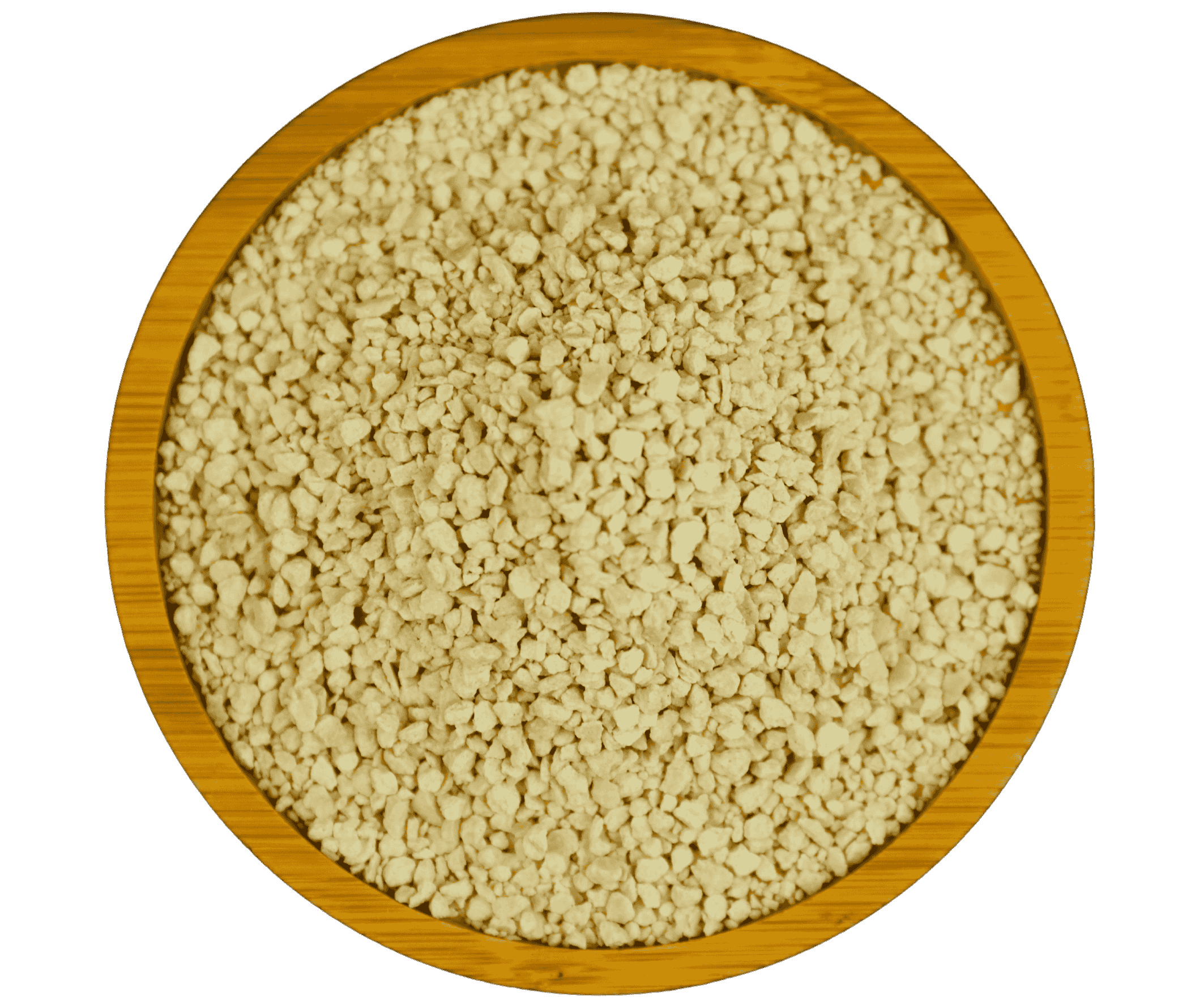
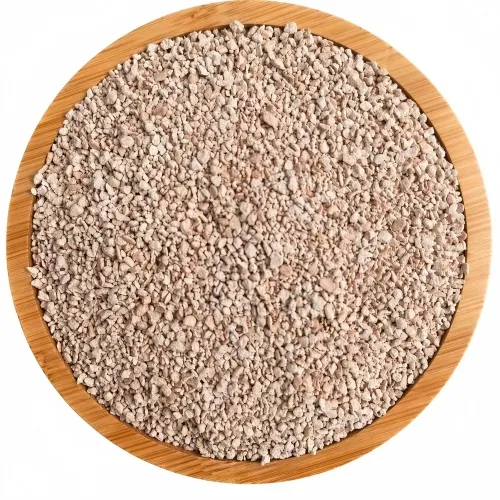
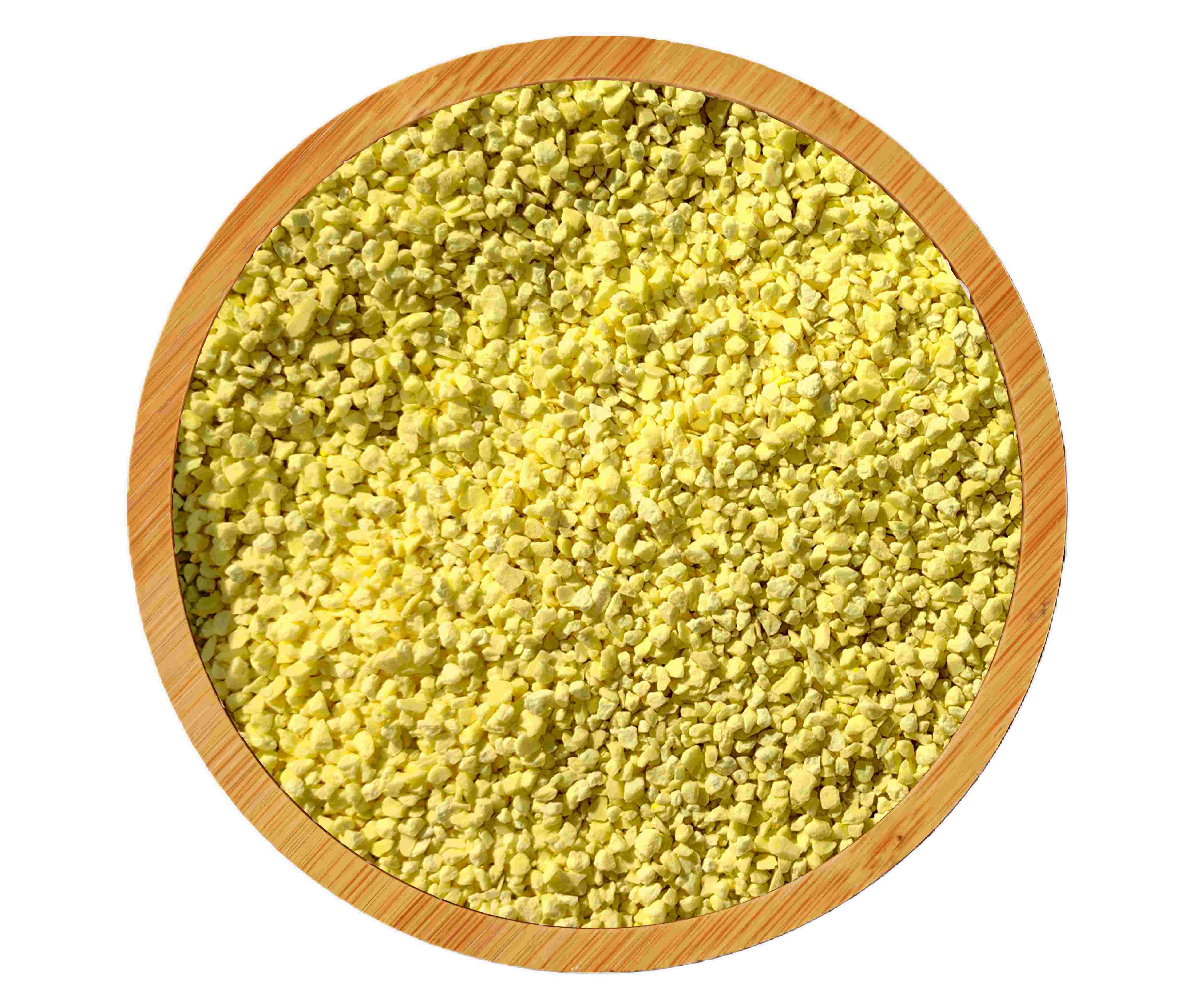
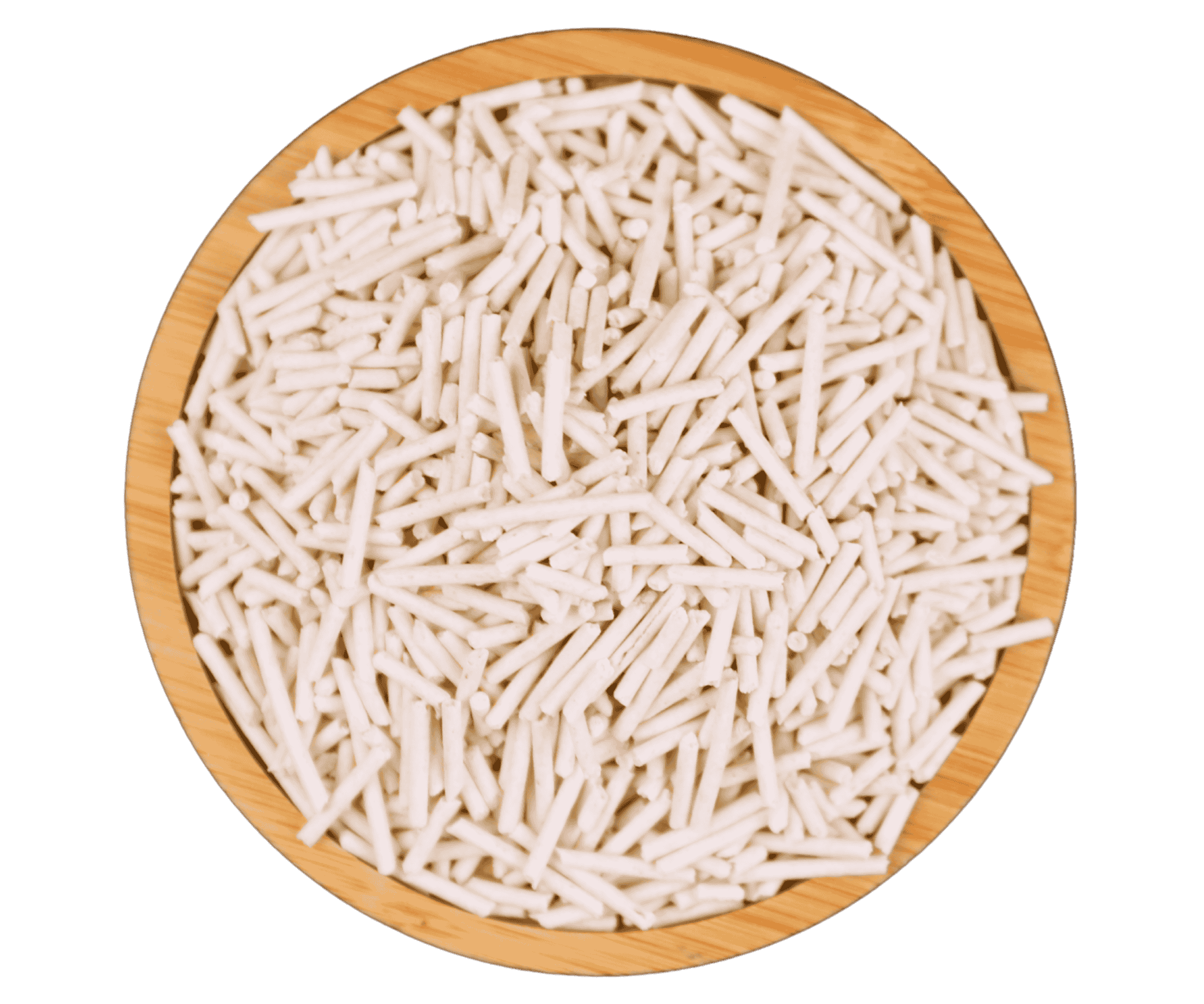
Cat litter uses cassava starch. Its key property is high absorbency and the ability to form a dense gel on contact with moisture. That's why cassava litter clumps fast and holds its shape.
Why Europe and Southeast Asia Specifically
Europe: ecology and landfills. In Switzerland, Germany, and Austria, litter disposal is a serious issue. Bentonite leaves slag after incineration that must be landfilled. Plant-based litter burns almost without residue. Cassava is one of the best options in this regard: renewable raw material, fast decomposition, low dust.
Southeast Asia: heat and odor. In tropical climates, litter starts to smell faster. Cassava starch with seaweed extract and bio-enzymes adsorbs ammonia rather than masking it. Owners in Singapore, Malaysia, and Vietnam appreciate this.
Japan and South Korea: demanding standards for cleanliness. These markets have historically high requirements for hygiene and low dust. Cassava litter with a dust level below 0.1% is perceived here as a premium product.
What the Numbers Say
According to QYResearch, the global plant-based cat litter market was valued at USD 1.52 billion in 2025 and will reach USD 2.77 billion by 2032, with a CAGR of 8.8%.
The flushable plant-based litter segment is growing even faster — at 8.3% annually. Cassava products often fall into this category.
How Cassava Differs from Tofu and Bamboo
| Parameter | Cassava | Tofu | Bamboo |
|---|---|---|---|
| Raw material | Root starch | Soy pulp | Bamboo fiber |
| Dust | Very low (≤0.1%) | Low (0.2–0.3%) | Low (≤0.2%) |
| Clumping speed | 3–5 seconds | 3–5 seconds | 5–7 seconds |
| Raw material scent | Neutral | Mild soy | Herbal |
| Flushability | High | High | Medium |
| Price | Medium | Medium | Below medium |
Cassava wins on dust and neutral scent. Tofu wins on price and recognition. Bamboo wins on antibacterial properties and cost.
What Distributors Need to Know
First. Cassava litter isn't "just another plant-based product." It's a distinct category with its own characteristics. On the shelf, it should sit next to tofu but with separate positioning: "for sensitive cats," "dust-free," "for EU export."
Second. Demand is growing faster than the supply of quality products. Many factories use cassava as an additive to corn starch rather than as the main raw material. Look at the composition: if cassava is listed first, that's a good sign.
Third. Cassava combines well with other components. Combined litters (cassava + tofu + bamboo) offer a balance of price, dust, and clumping. These blends are often chosen by premium brands.
Forecast
Cassava is unlikely to fully displace bentonite — the price gap is too large for the mass segment. But in the premium and export segments, its share will grow. Especially in Europe, where regulators increasingly focus on waste disposal, and in Southeast Asia, where climate dictates its own rules.