+86 15253215219


- 27 Oct 2026
Plant-Based Cat Litter: What Distributors Need to Know Before Purchasing
The cat litter market is changing faster than it seems. Not long ago, the main argument was price per ton. Today, distributors and brands look at something else: verified characteristics, certificates, supply stability, and the product's story. Here's what to pay attention to so you don't make the wrong choice.
1. Why Plant-Based Litter Is No Longer a Niche
According to QYResearch, the global plant-based cat litter market was valued at USD 1.52 billion in 2025 and is projected to reach USD 2.77 billion by 2032, with a CAGR of 8.8%.
Growth is driven not only by the eco trend. Cat owners increasingly choose plant-based litters for their low dust, fast clumping, and safety for pets. And distributors — for the opportunity to offer a product with a clear story and competitive characteristics.
2. Three Types of Plant-Based Litter: What's the Difference
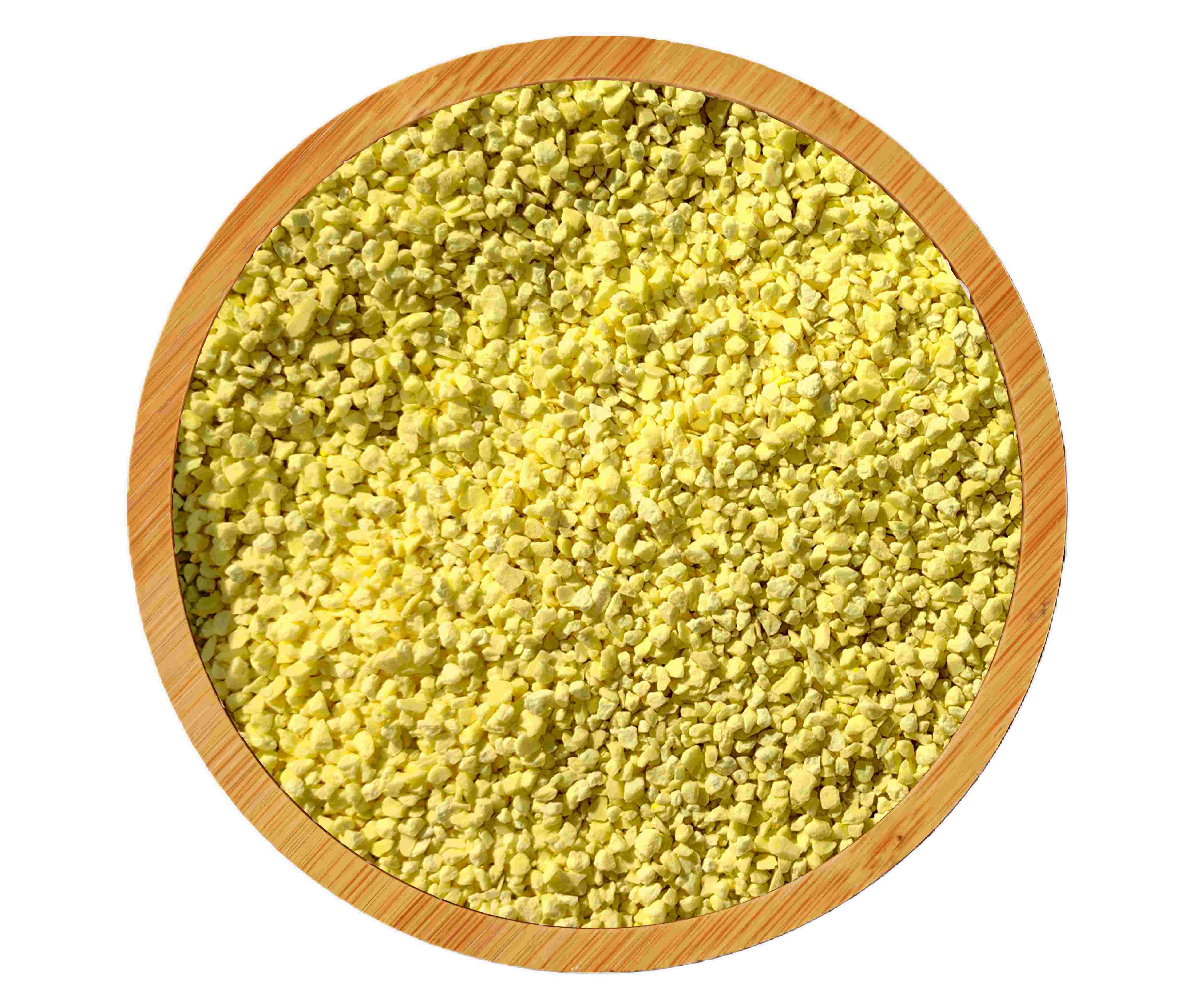
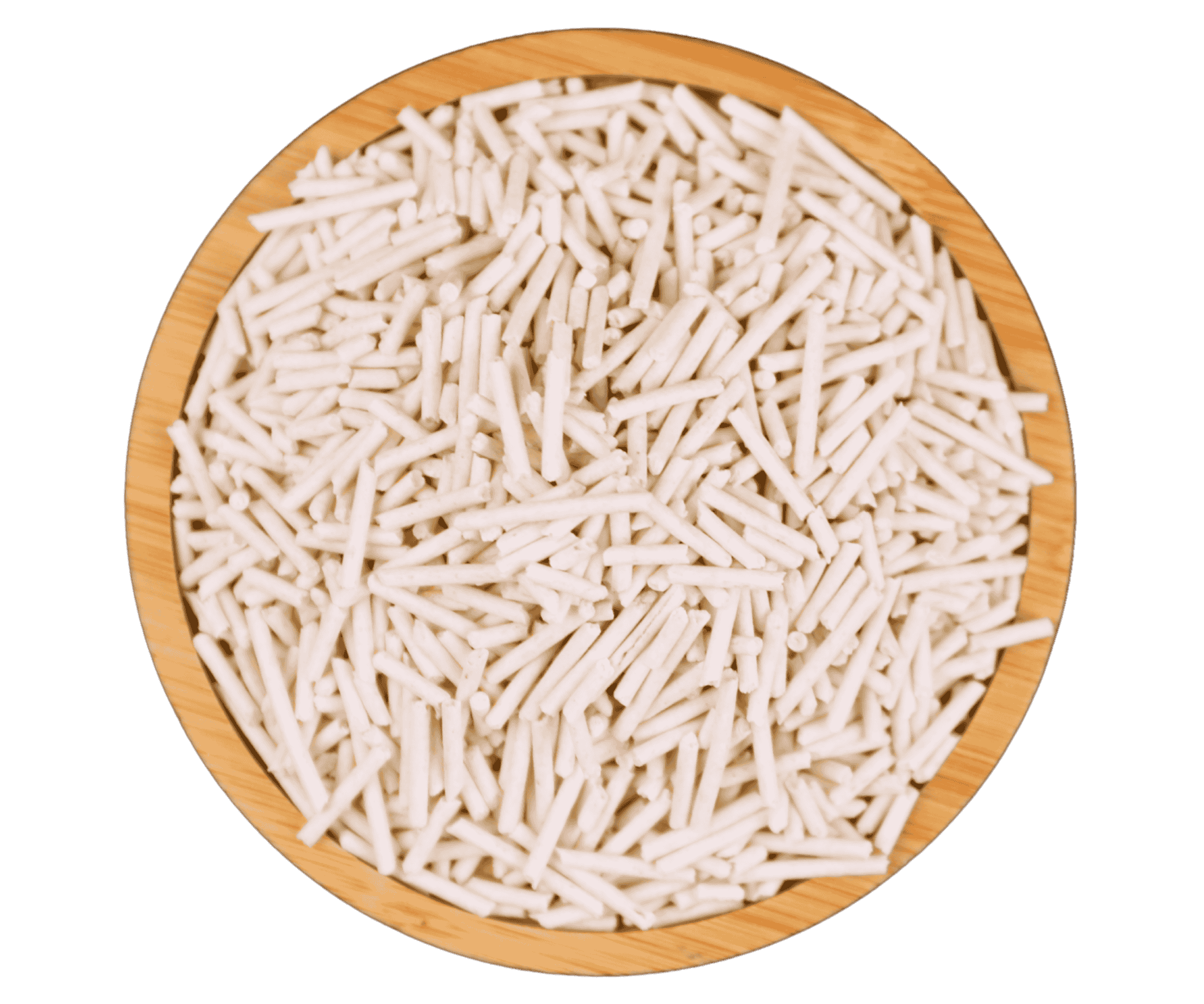
Cassava litter. Based on cassava root starch. Offers very low dust (≤0.1%), neutral aroma, and firm clumps. Suitable for the premium segment and exports to Europe.
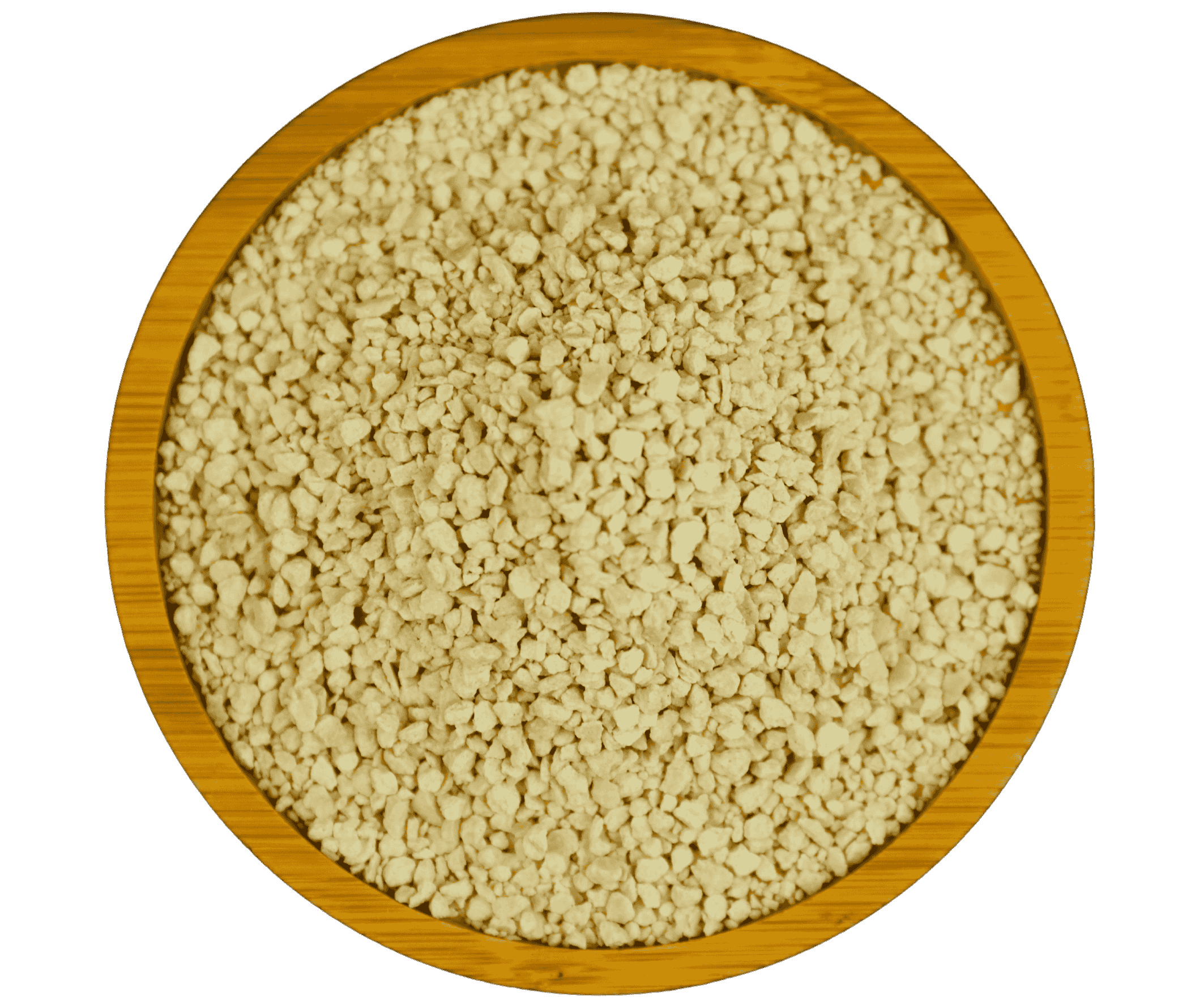
Tofu litter. Made from soy pulp — a by-product of soy production. Recognizable by consumers, cheaper than cassava, but dustier (0.2–0.3%). Well-suited for mass-market.
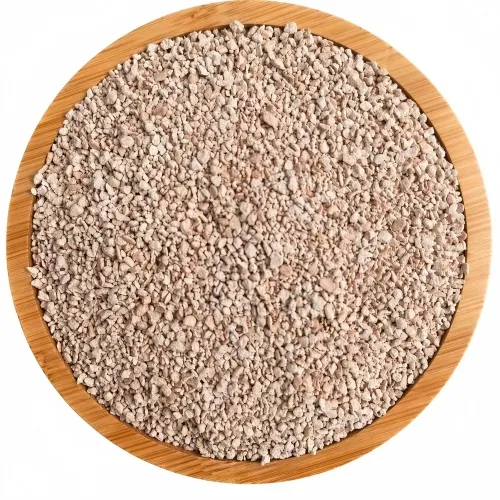
Bamboo litter. Made from bamboo fiber. Has natural antibacterial properties, dust level ≤0.2%. A niche for the eco-segment.
Combined formulas blend two or three types of raw material to achieve a balance of price, dust, and clumping. For example, cassava + tofu + bamboo.
3. What to Look for in Characteristics
Dust level. For plant-based litters, quality manufacturers state this parameter. The benchmark is below 0.3%, with the best samples at ≤0.2%, and premium cassava at ≤0.1%.
Clumping speed. A good indicator is 3–5 seconds. If the clump forms in more than 8–10 seconds, that's weak for the premium segment.
Behavior after wetting. Granules should not turn into a sticky mass or stick to paws. This is one of the most common problems identified by the 2026 Roskachestvo inspection.
Odor control. A good plant-based litter adsorbs and breaks down ammonia rather than masking it with fragrance. Benchmark — 95%+ in test results.
Composition. Food-grade starch, soy fiber, bamboo fiber. If the manufacturer uses food-grade ingredients, the risk of accidental ingestion is minimal.
4. What Certificates a Supplier Should Have
To work with serious brands and export companies, a manufacturer must provide:
ISO 9001 — quality management system;
ISO 14001 — environmental management system;
ISO 45001 — occupational health and safety;
EU REACH — for European supplies;
SDS — safety data sheet;
toxicology reports;
efficacy reports.
If the manufacturer cannot provide these documents, working with them is a risk to your brand.
5. How Gilancy Meets These Requirements
Qingdao Gilancy Pet Products Co., Ltd. is a plant-based litter manufacturer from Qingdao, China. The factory covers 20,000 square meters, with two automated lines, a daily output of 150 tons, and a stock of 100 tons of standard items.
Our characteristics:
cassava litter — dust ≤0.1%;
bamboo litter — dust ≤0.2%;
clumping speed — 3–5 seconds;
odor control — up to 14 days;
odor removal efficiency — up to 98.1% (seaweed + bio-enzymes).
Certificates: ISO 9001, ISO 14001, ISO 45001, EU REACH, SDS, toxicology and efficacy reports.
OEM: production under your brand. Minimum order — one ton. Free samples.
6. Distributor Checklist
Dust level — ≤0.3%, better ≤0.2%, ideal ≤0.1%.
Clumping speed — 3–5 seconds.
Stickiness after wetting — granules should not stick to paws.
Odor control — 95%+ in tests, not "fragrance on top."
Raw materials — food-grade starch, soy or bamboo fiber.
Certificates — ISO, REACH, SDS, toxicology.
Supply stability — warehouse stock, shipment on the day the order is received.
OEM terms — transparent, no hidden surcharges.
7. Why This Matters
A distributor doesn't earn from the price difference per ton — they earn from repeat orders. And repeat orders come when the customer is satisfied. The eight points above are a way to check whether the manufacturer can deliver that "satisfied" consistently.
If you represent a brand or an export company looking for plant-based litter with food-grade raw materials, low dust, and stable supply — request samples from Gilancy. We are ready to confirm every number with documents and tests.