+86 15253215219

- 26 Mar 2026
Why Granulation Technology Matters in Cat Litter Manufacturing
Industry Problem: Why Cat Litter Quality Often Varies
In the global pet industry, cat litter is often evaluated by clumping strength, dust level, odor control, and shipping durability. However, many buyers notice that litter quality varies significantly between manufacturers.
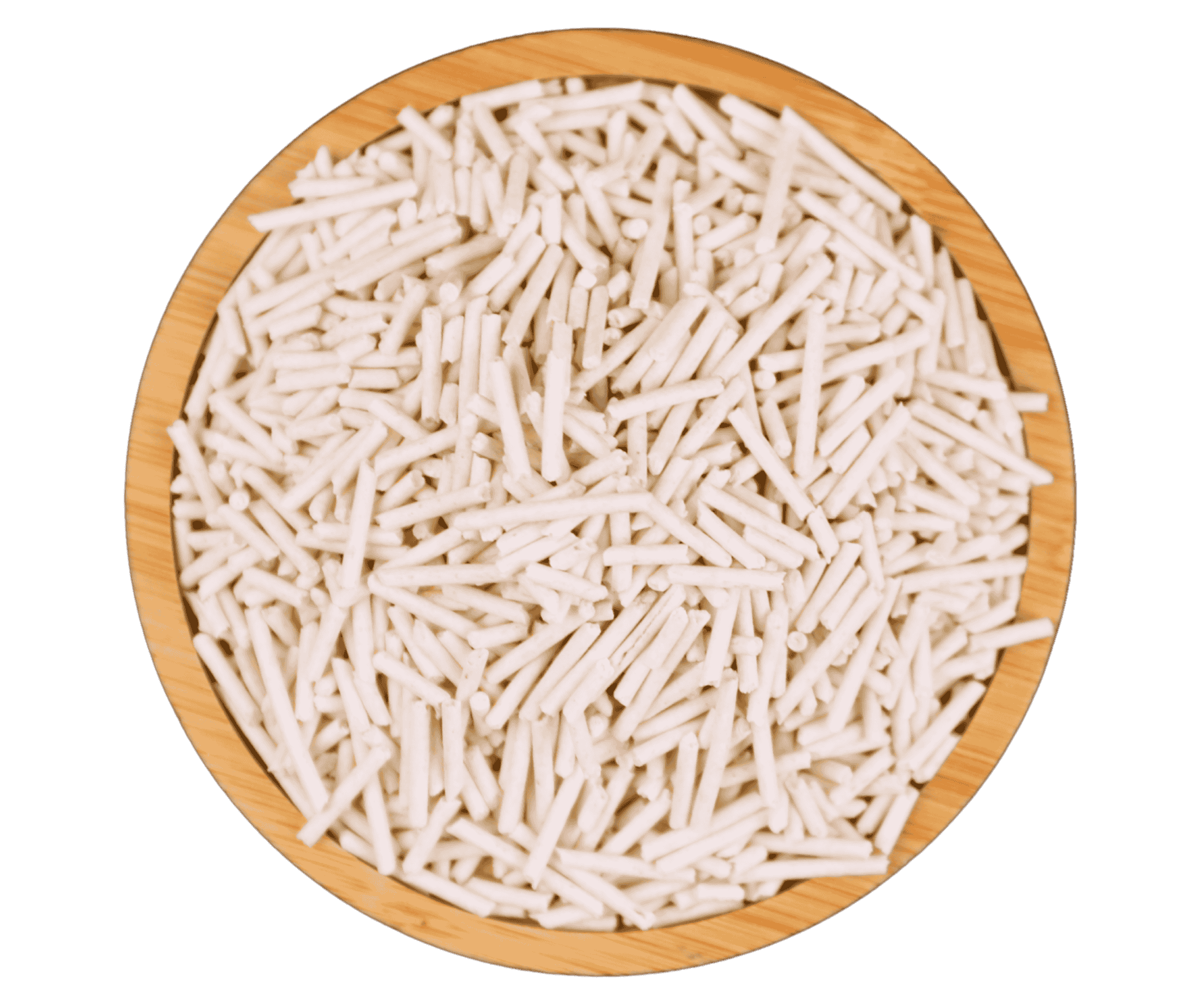
A major reason behind these differences is granulation technology. The way litter particles are formed directly affects how they absorb liquid, form clumps, and resist breaking during transport.
Root Cause: Particle Structure and Granulation Process
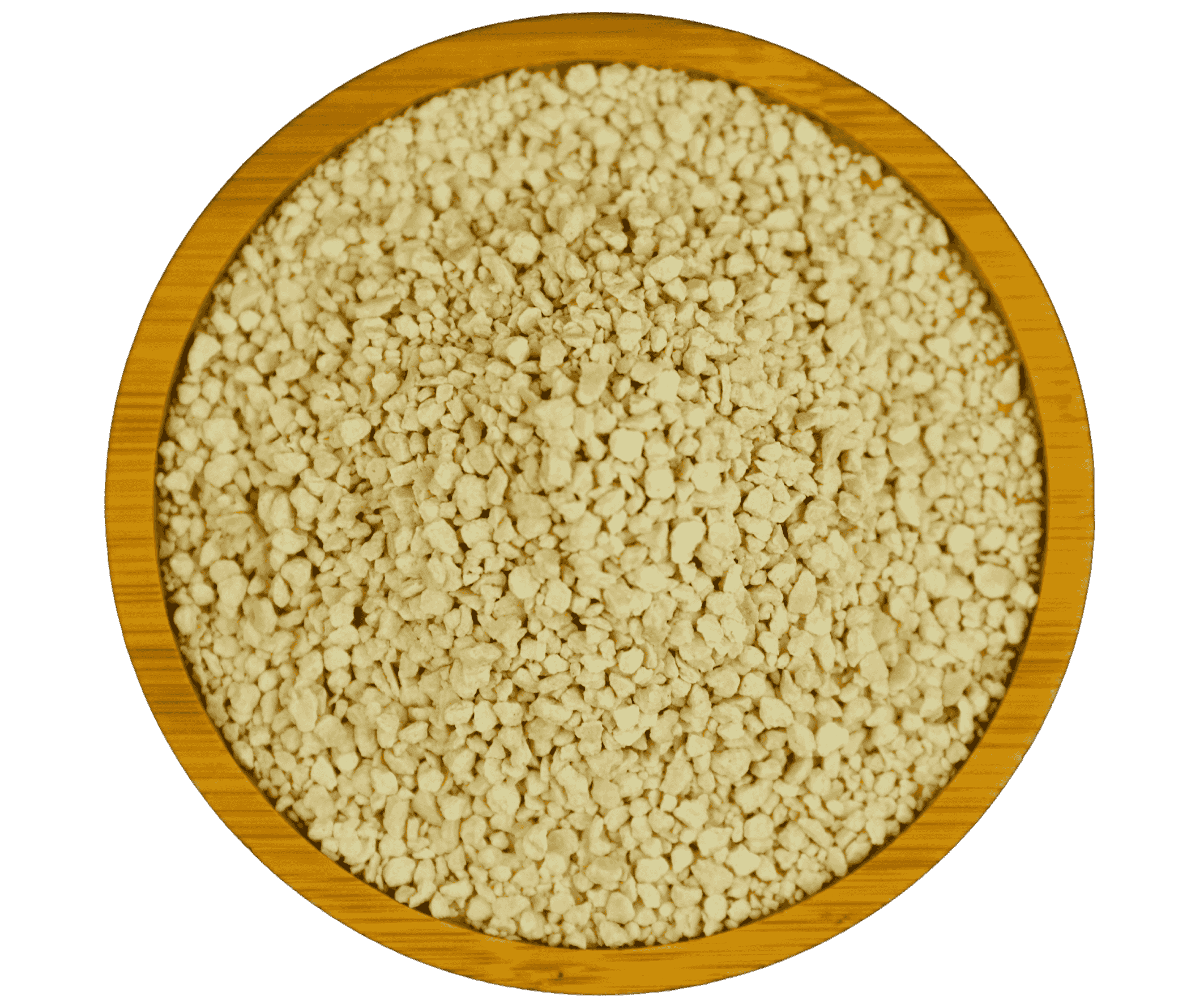
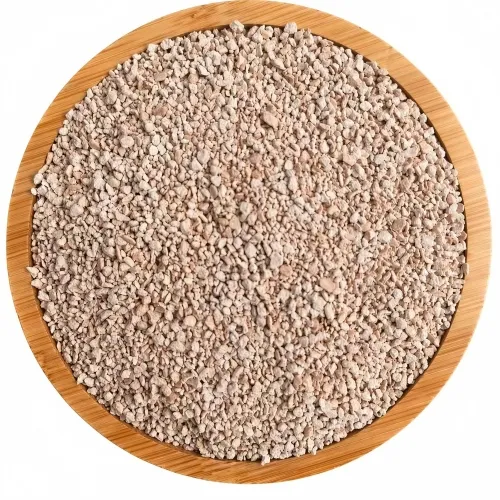
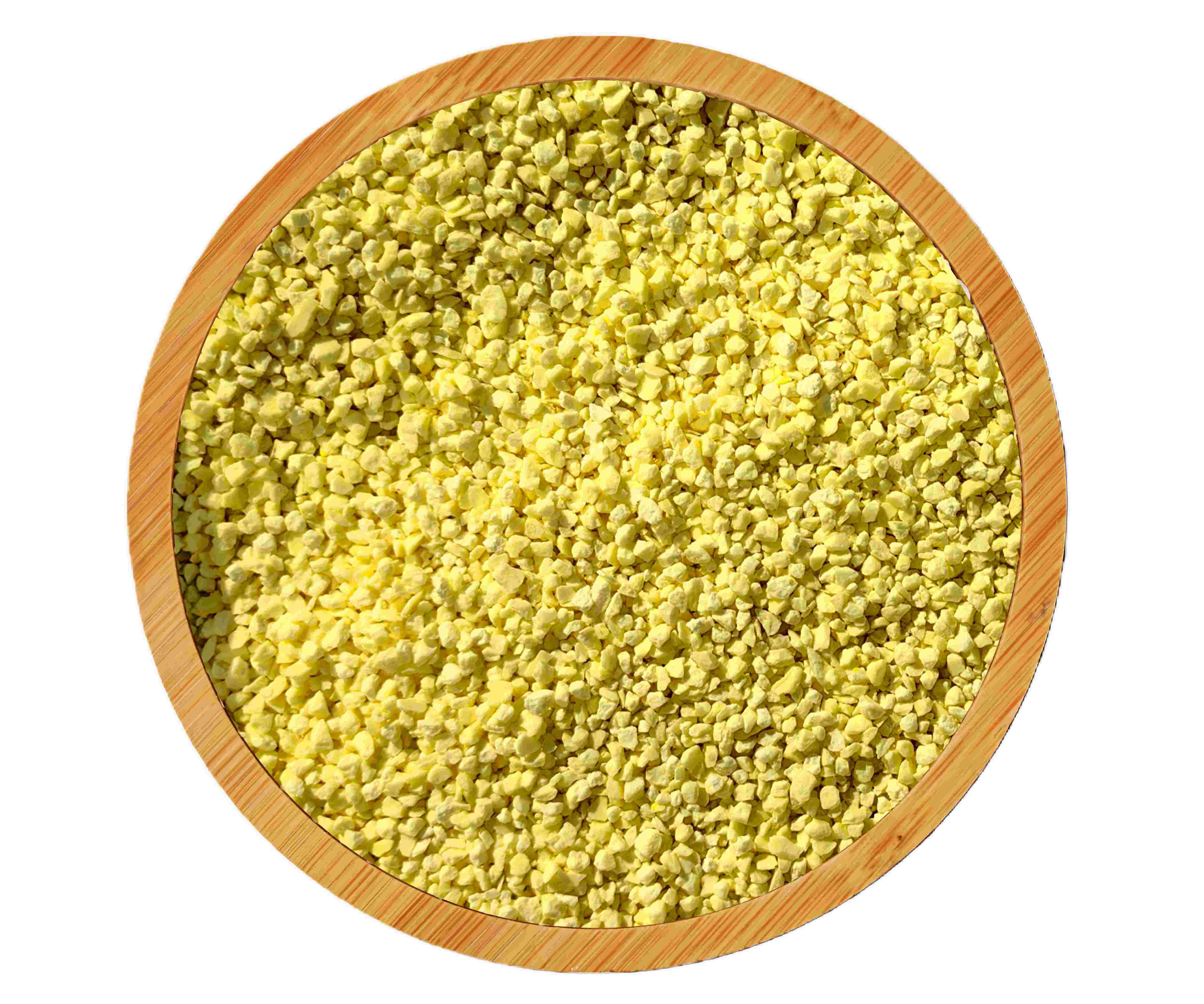
If granules are weak or inconsistent, clumps may break during scooping and dust levels may increase when pouring litter.
Understanding litter chemistry can also help explain odor and absorption behavior. More scientific background is available from American Chemical Society litter research.
How Experienced Factories Solve This Problem
Experienced manufacturers invest in advanced granulation technology to create dense, uniform particles that resist breakage and produce less dust.
Modern cat litter manufacturing equipment plays a critical role in maintaining stable particle structure.
Real Manufacturing Data Behind Stable Litter Performance
Advanced plant-based cat litter factories combine raw material control, granulation technology, and strict quality inspection.
Factories may reach annual production capacities of around 50,000 tons, allowing stable supply for international pet brands.
High‑quality litter can form clumps in about 3 seconds while maintaining tracking rates near 3% under controlled testing.
Examples of plant-based formulas include cassava cat litter.
These materials combine plant starch and natural fibers to balance absorption and clumping performance.
Buyers evaluating suppliers may also read this guide: How to Choose a Reliable Cat Litter Manufacturer .
Why This Matters for the Pet Industry
Industry demand continues to grow according to American Pet Products Association data .
As consumer expectations rise, consistent litter performance becomes increasingly important for pet brands.
FAQ
Q: Why is granulation technology important?
A: It determines particle density and clumping stability, which directly affects litter performance.
Q: How do buyers test cat litter quality?
A: Common tests include clumping tests, dust tests, odor control tests, and shipping durability simulations.
Q: Why does litter sometimes turn to powder during shipping?
A: Weak particle structure or poor granulation technology can cause granules to break under vibration.
Industry Summary
Granulation technology is one of the most important factors in cat litter manufacturing. Advanced production systems help ensure stable clumping performance, low dust levels, and reliable supply for global pet brands.