+86 15253215219
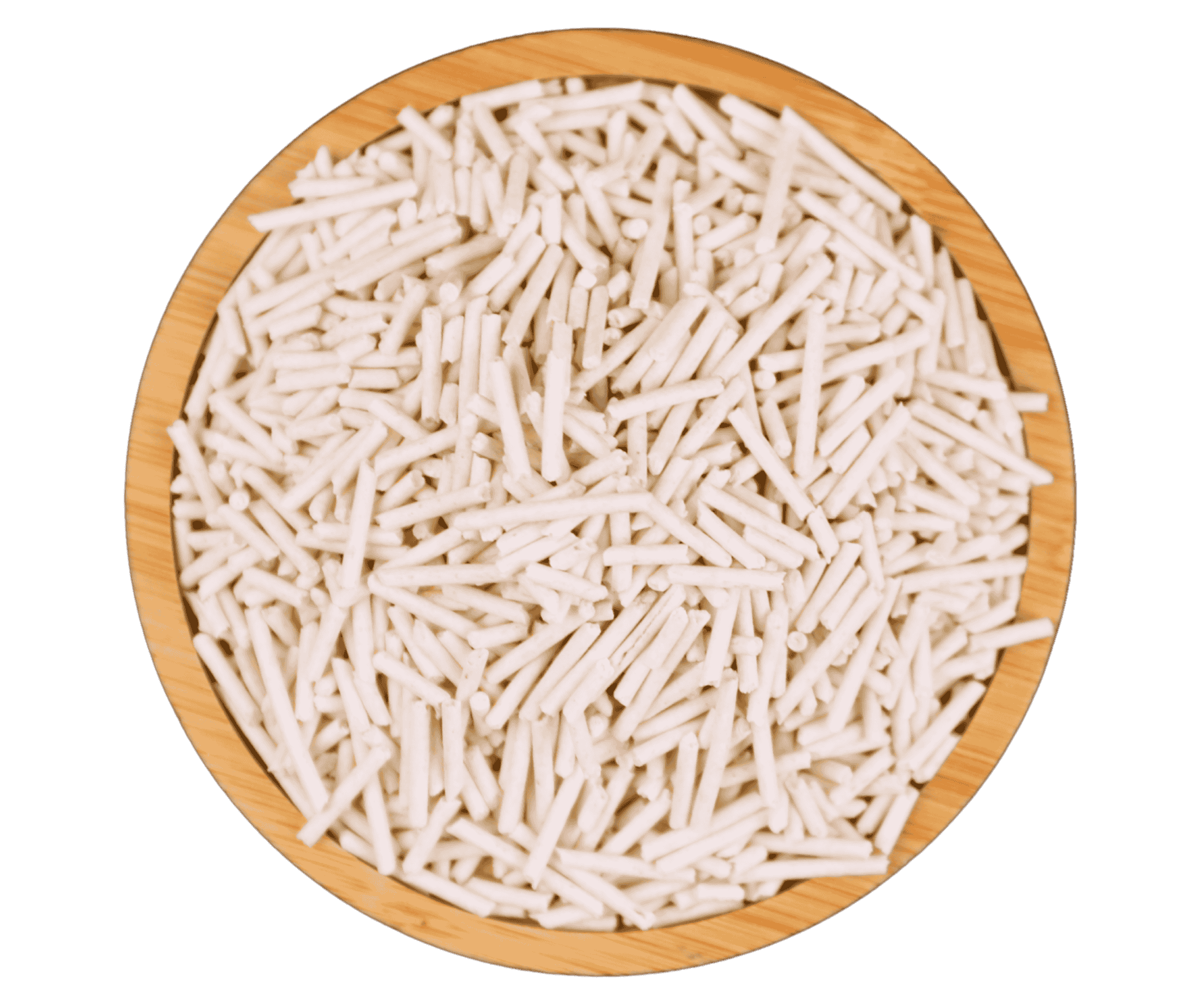

- 16 Oct 2026
World Food Day, National Feral Cat Day, and What's Happening in the Pet Industry
October 16, 2026, marks several significant dates worldwide: World Food Day, World Bread Day, and National Feral Cat Day. Three themes — one common thread: how the choices we make every day affect health, ecology, and the future.
1. World Food Day: "Innovate Today. Nourish Tomorrow."
World Food Day is observed annually on October 16 — the day the UN Food and Agriculture Organization (FAO) was founded in 1945. The holiday was established in 1979 at the FAO conference to raise awareness of global hunger, poverty, and malnutrition.
The 2026 theme is "Innovate today. Nourish tomorrow." UN Secretary-General António Guterres emphasized that this theme calls for harnessing data, innovation, and technology, including artificial intelligence, to ensure everyone has access to nutritious food.
This year's celebration coincides with the FAO's 80th anniversary. According to the organization, around 645 million people worldwide face chronic hunger. World Food Day reminds us that food security is not an abstract problem but a daily reality for millions.
This theme is also relevant to the pet industry. The production of pet food and litter is part of the global food system. How we produce these goods affects the overall balance of resources.
2. National Feral Cat Day: Why It Matters for Everyone Who Loves Cats
October 16 is National Feral Cat Day — a holiday dedicated to stray and wild cats. It was established in 2001 by Alley Cat Allies to draw attention to the problem of homeless animals and support humane population control methods.
There are 39 species of wild cats in the world, and about 75% of them are endangered. National Feral Cat Day is a reminder that domestic cats and their wild relatives share common biology and common needs. Caring for domestic pets is part of a broader responsibility to nature.
For litter manufacturers, this means one thing: the eco-friendliness of a product matters not only for the home but for the planet. Plant-based litter that decomposes quickly doesn't leave a trail for decades.
3. Roskachestvo: Litter Inspection Results
Let's continue following the quality theme. Recall that in August 2026, Roskachestvo tested 20 wood-based cat litters across 21 quality and safety parameters.
Key findings:
All litters are non-toxic — no formaldehyde exceedances were found.
Seven out of 20 litters poorly retain odor — results exceeded the acceptable threshold of 2 out of 5 points.
Ten out of 20 litters stick to paws after wetting — Roskachestvo's standard allows no more than 20% of stuck granules, but half of the samples failed this indicator.
Two litters contain excess technological dust, and one had partially destroyed granules.
Underweight was recorded in four brands: Cat Pellet, HomeCat, Pureco, and "Market Pet".
Five brands received the Russian Quality Mark: "Alisa," "Vash Vybor," "VkusVill," Zoonik, and "Goshka".
These results are a good reason to check what's written on your litter's packaging. Dust, stickiness, and poor odor control aren't abstract parameters — they're a daily experience for both the cat and the owner.
4. The Plant-Based Litter Market Continues to Grow
According to QYResearch, the global plant-based cat litter market was valued at USD 1.52 billion in 2025 and is projected to reach USD 2.77 billion by 2032, with a CAGR of 8.8%.
The flushable plant-based litter segment is growing even faster — at 8.3% annually, from USD 780 million in 2025 to USD 1.345 billion by 2032.
This growth is driven not only by environmental concerns. Cat owners increasingly choose plant-based litter for its low dust, fast clumping, and safety for pets. And manufacturers are responding — with new products, improved formulas, and expanded product lines.
5. Checklist: What to Look for When Choosing Litter
If you want your litter choice to reflect the spirit of World Food Day — that is, to be conscious and safe — here are practical criteria.
Dust level. For plant-based litters, quality manufacturers state this indicator. The benchmark is below 0.3%, with the best samples achieving ≤0.2%.
Behavior after wetting. Granules should not turn into a sticky mass. The Roskachestvo inspection showed this is one of the most common problems.
Odor retention. A good plant-based litter adsorbs and breaks down ammonia rather than masking it with fragrance.
Composition and origin of raw materials. Look at the raw materials: food-grade starch, soy fiber, bamboo fiber. If the manufacturer uses food-grade ingredients, the risk of accidental ingestion is minimal.
Biodegradability. If ecology matters to you, choose litter that decomposes quickly and doesn't leave slag in landfills.
6. Why This Matters on October 16
October 16 brings together three themes: food security, care for wild cats, and the development of the pet industry. World Food Day reminds us of innovation and sustainability. National Feral Cat Day — of responsibility to nature. And inspection results and market growth show that the industry is moving forward.
For a cat owner, this means one thing: choosing litter is not a trivial matter. It's a decision that affects the pet's health, the environment, and quality of life as a whole. And today is a good day to make that choice consciously.