+86 15253215219

- 23 Aug 2026
5 Myths About Plant-Based Cat Litter Debunked by Real Data
There is a widespread belief that cat litter is a basic commodity with not much science behind it. Clay absorbs, period. But when we talk to importers and cat owners across Europe, we hear myths that cost money and affect feline health. Let us debunk them, one by one, with data and real experience.
Myth #1: Clay Litters Clump Better Than Any Plant-Based Option
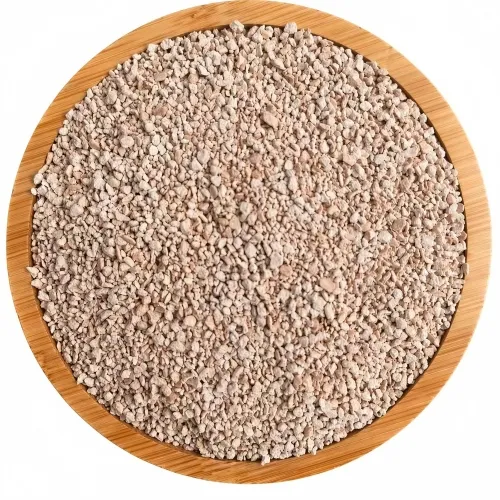
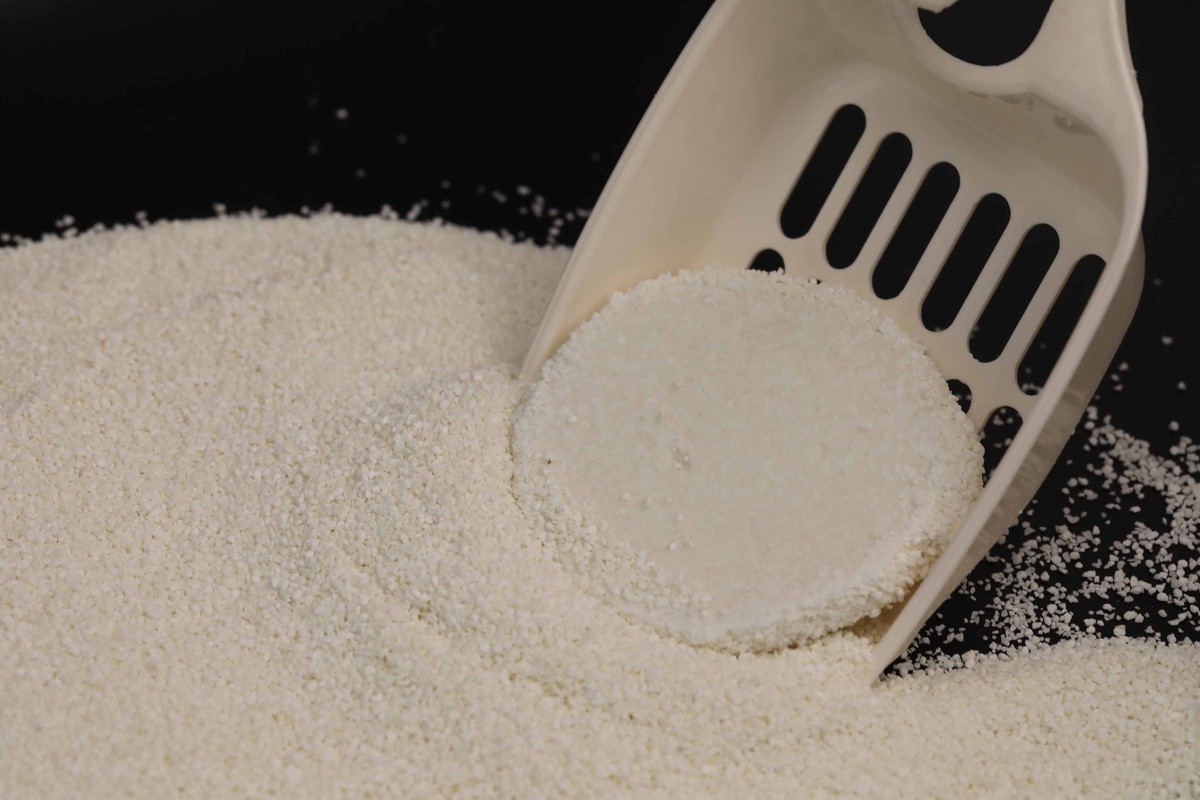
Reality: It depends on processing quality, not the base material. Gilancy's cassava litter, processed with dry hydraulic molding at low temperature, forms firm clumps in 3 seconds. That is faster than most premium clay litters. The key is not the material — it is the granulation technology.
Low-quality clay can take up to 15 seconds to form a weak clump that falls apart when touched. Quality plant-based litter does not have this problem because the starch activated by hydraulic molding creates a more stable molecular matrix.
Myth #4: All Plant-Based Litters Are the Same
Reality: Comparing a Gilancy product to a generic plant litter is like comparing a premium electric car to a golf cart. The difference is in the manufacturing process.
Gilancy invests in low-temperature granulation technology, a 6-stage dust removal system, and bio-enzyme + sodium alginate deodorization. All certified by independent laboratories. Not all manufacturers do this. In fact, most do not.
Myth #5: Tofu Litter Disintegrates in the Box from Humidity
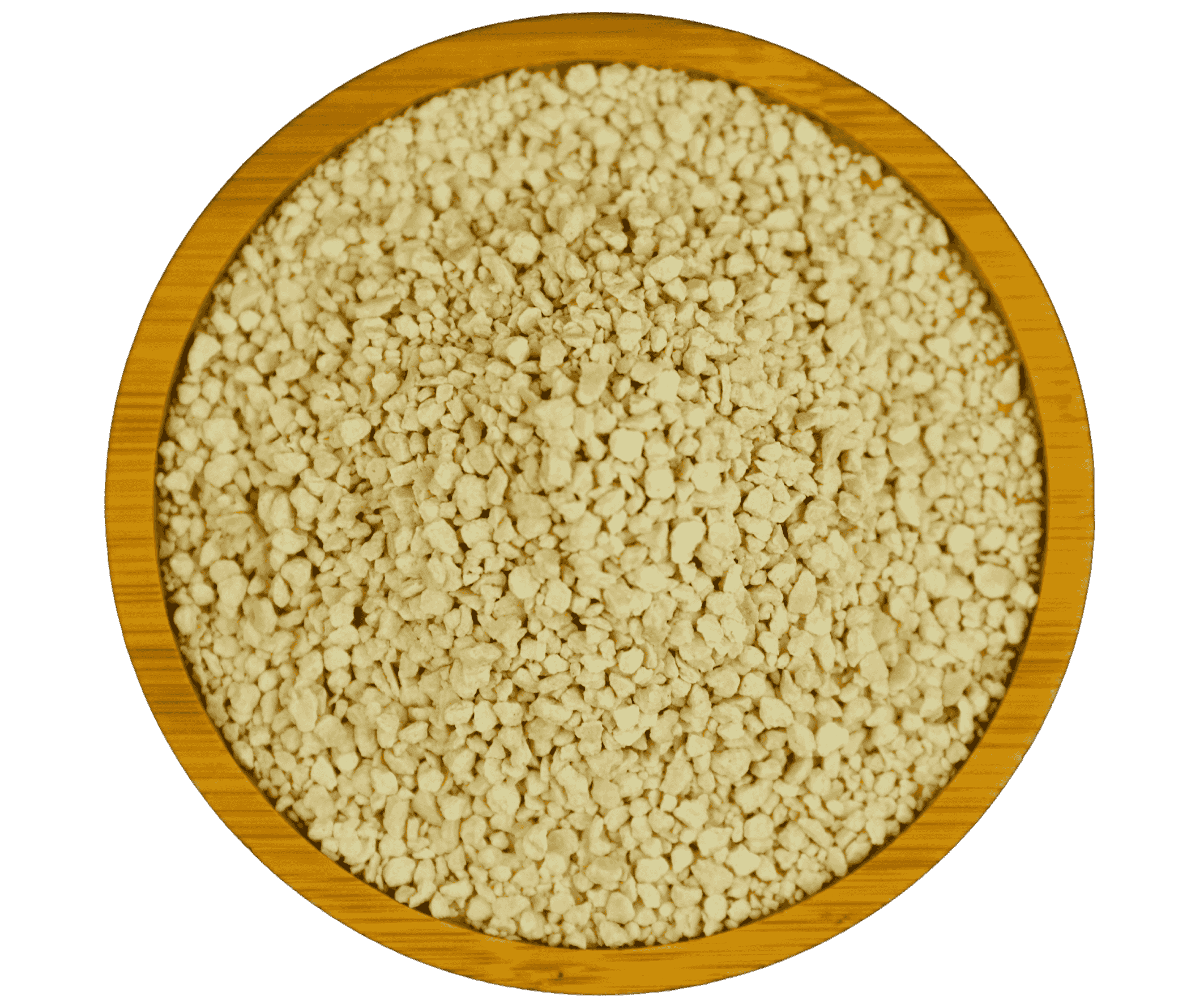
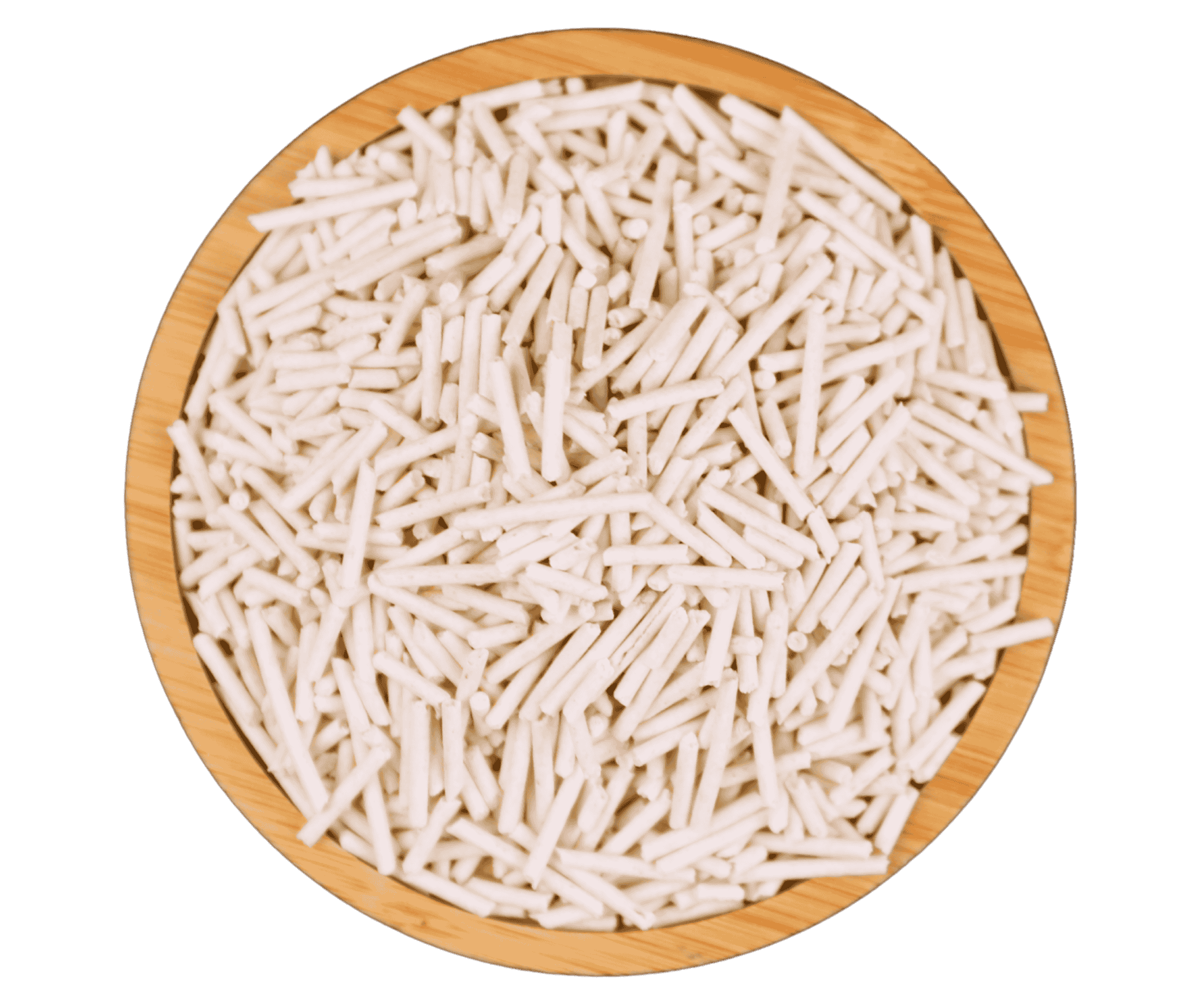
Reality: This myth came from low-quality products. Gilancy's tofu litter uses food-grade corn starch and processed okara that resists normal box humidity. It only breaks down when submerged in running water (for flushability).
Under normal use, granules stay intact until they absorb liquid, at which point they clump properly. That is the ideal behavior.
Myth #3: Odor Control Is a Fragrance Problem, Not a Material Problem
Reality: This is the most costly myth. Most brands add fragrances to mask odors, but that does not solve the problem — when the scent fades (in days), the odor returns. Real odor control depends on the material's ability to trap and neutralize ammonia and hydrogen sulfide molecules.
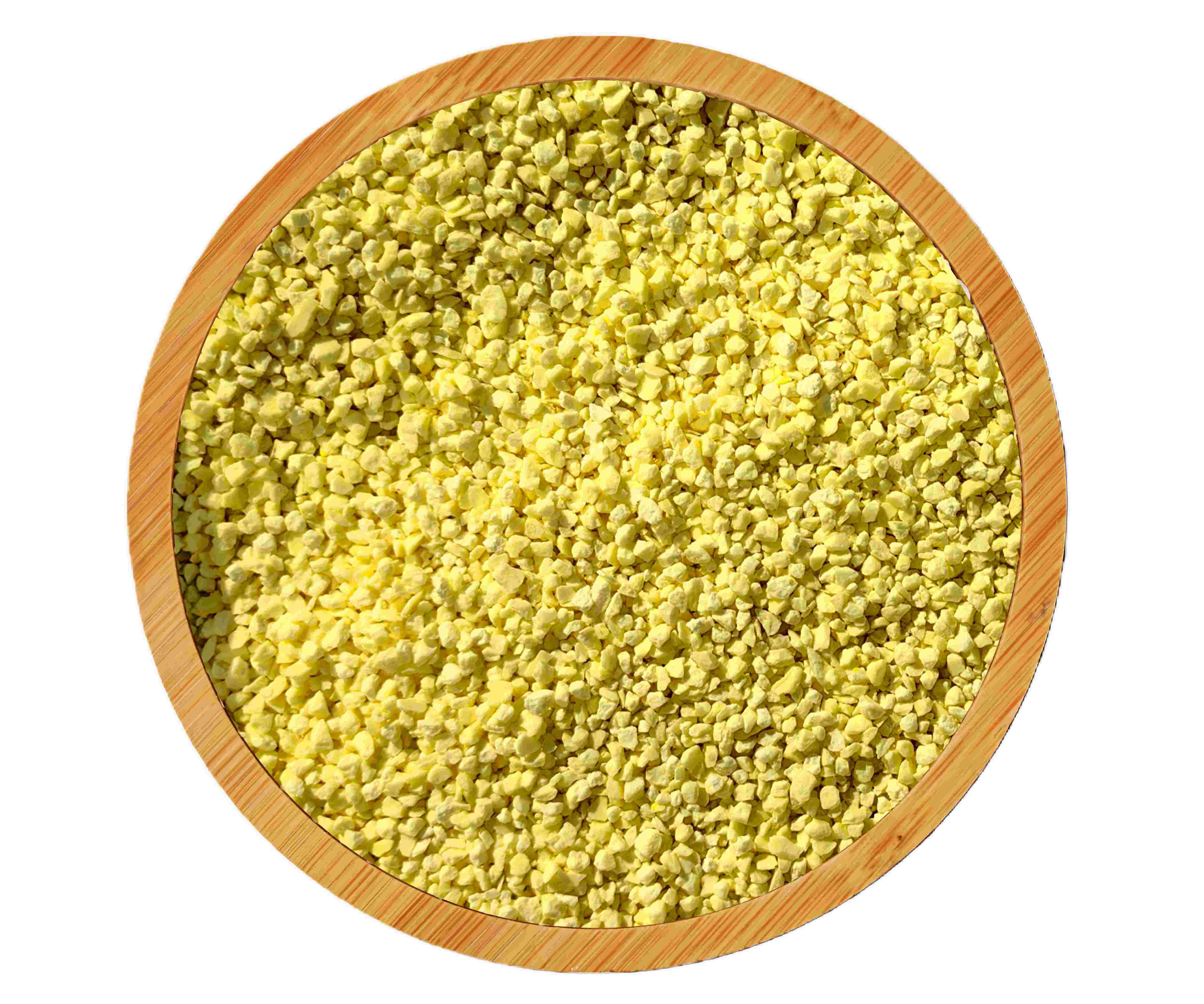
Gilancy's plant-based litters achieve deodorization of ≥98.1% certified by CTI because the plant granules have a natural porous structure that traps these molecules. It is not magic — it is materials physics at the microscopic level.
What This Means for Your Business
Grand View Research estimates plant-based litters will represent 38% of the global market by 2030, up from 18% today. According to FEDIAF (European Pet Food Federation) the EU has over 127 million pet cats and a pet market exceeding €45 billion. The data is clear: plant-based litters are gaining ground because they solve real problems that clay cannot address.
Each of these myths represents a missed opportunity. The importer who believes "all litters are the same" misses the chance to differentiate. The one who thinks "plant-based is too expensive" does not see the premium margin. And the one who believes "only clay works" is losing a market growing at 18% annually.
For further reading, see EU PPWR regulation 2025/40 and visit seaweed deodorizing granules product page for more on Gilancy's product line.
We also recommend Statista worldwide cat litter outlook and about Gilancy as additional resources for importers.