+86 15253215219

- 12 Oct 2026
World Arthritis Day and How Cat Litter Affects Senior Cats
October 12 is World Arthritis Day. For owners of cats over 7 years old, this is a good reason to take a closer look at their pet — and at what's in their litter box. Arthritis in cats is more common than most people think, and the right litter can either ease a cat's daily life or make discomfort worse.
1. World Arthritis Day: Why It Matters for Cats
World Arthritis Day is observed annually on October 12, organized by the International Arthritis and Rheumatism Association. Its goal is to raise awareness of joint diseases that affect millions of people worldwide.
But arthritis is not just a human problem. Studies show that osteoarthritis affects 60–90% of cats over 12 years old. Yet owners often miss the symptoms because cats mask pain: they don't limp dramatically — they simply become less active, jump less, and sleep more.
One of the earliest signs, easily overlooked, is a change in litter box behavior. A cat with painful joints may:
enter the litter box reluctantly;
finish faster than usual;
refuse a box with high sides;
miss the box;
stop covering its waste.
These are not quirks. They are attempts to avoid pain.
2. How Litter Affects a Cat with Arthritis
Most owners think about litter in terms of odor and cleaning convenience. But for an older cat with arthritis, litter is also a physical environment it interacts with through its paws every day.
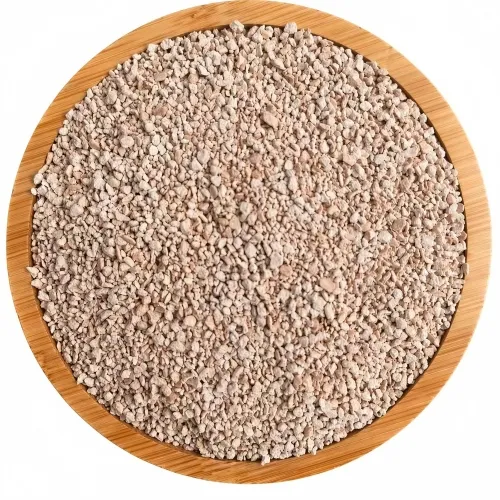
Hard and sharp granules. Large, hard mineral litter granules press on paw pads and toe joints. For a cat with arthritis, this means extra pain with every trip to the box.
Deep litter layer. The deeper the layer, the more effort it takes to dig. For a cat with sore joints, this is a serious burden.
High-sided boxes. The height of the box itself isn't a property of the litter, but it's directly related: if litter controls odor poorly, owners buy boxes with high sides and hoods. And for a cat with arthritis, stepping over a high side is difficult.
Dust. Dust from litter irritates airways, and in older cats with weakened immunity it can cause additional discomfort and inflammation.
3. What to Choose for a Senior Cat
The ideal litter for a cat with arthritis should be:
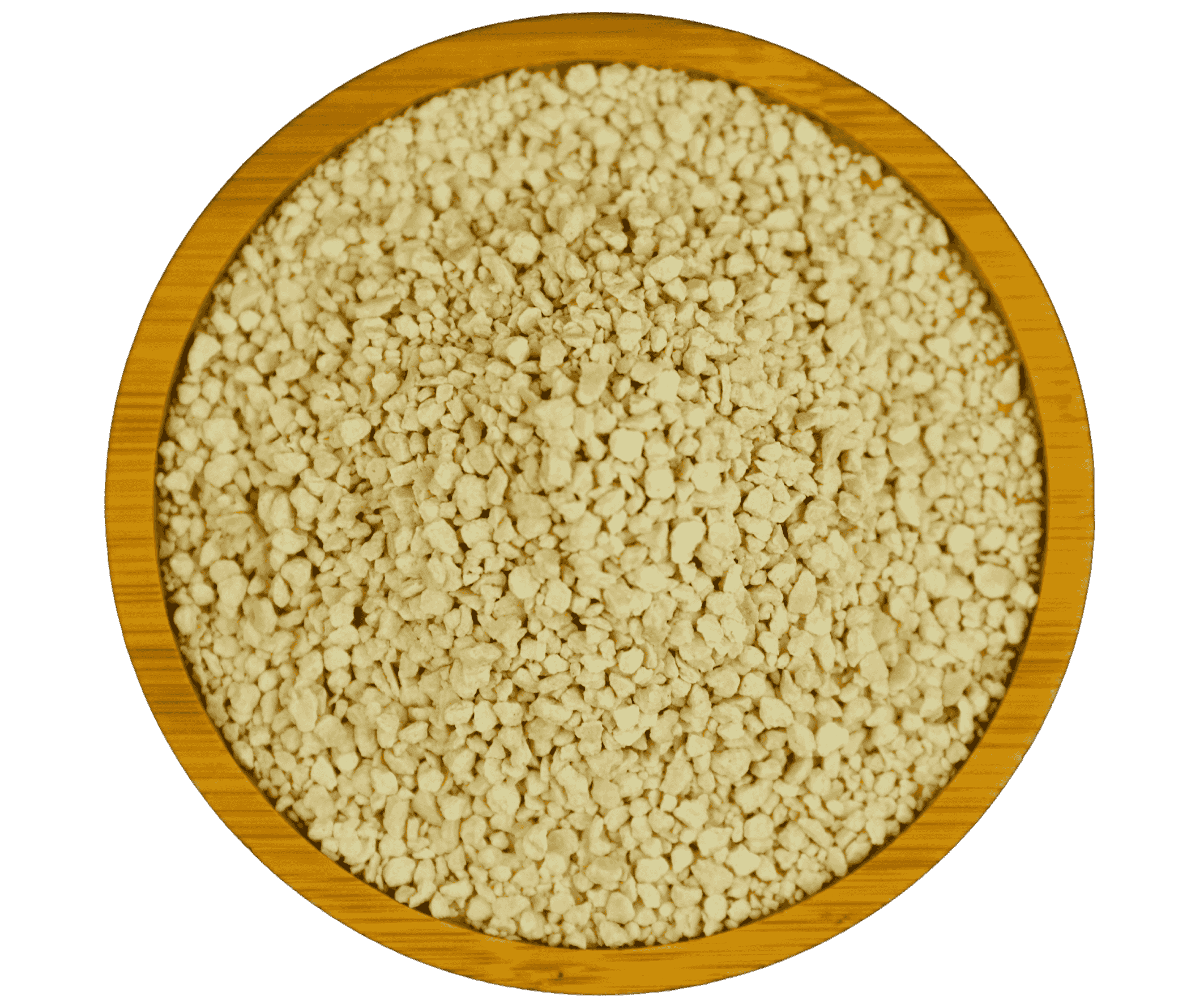
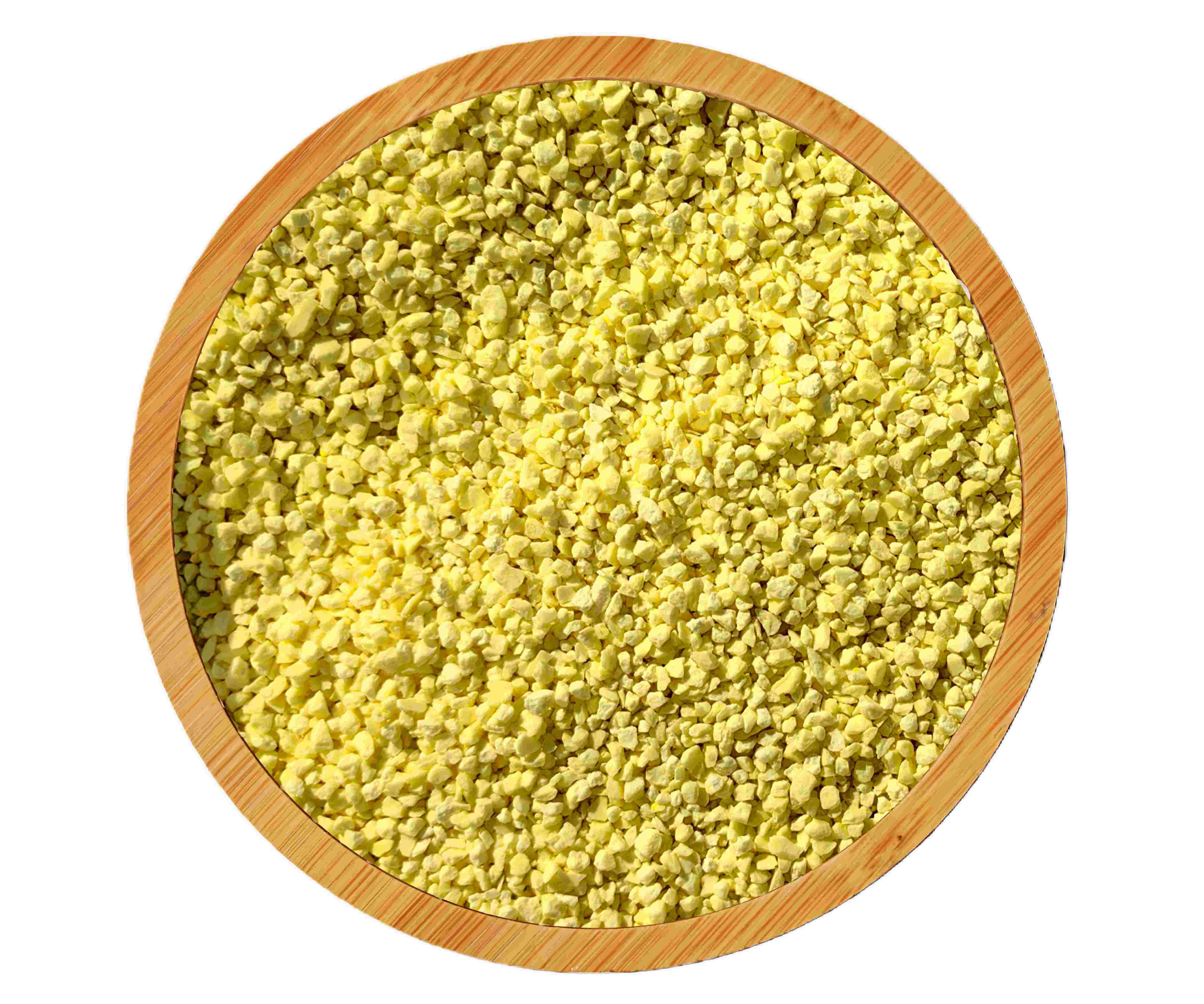
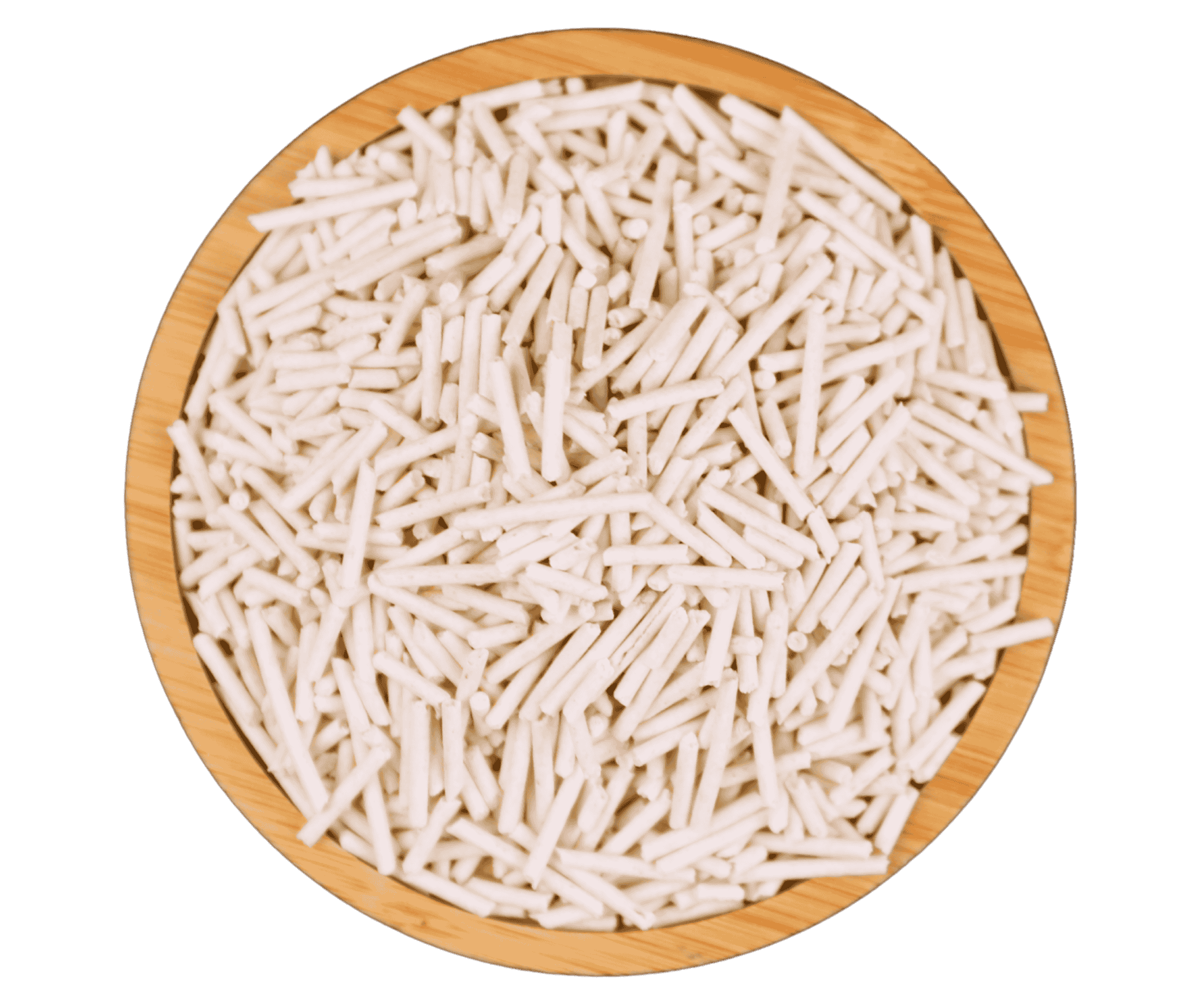
Soft. Small, soft granules — 0.5–3 mm — do not press on the paws. Plant-based litters made from cassava, tofu, and bamboo offer exactly this texture.
Low-dust. A dust level below 0.3%, ideally ≤0.2%, is a critical parameter for older cats, whose respiratory systems are more vulnerable.
Low layer. 3–4 cm of litter is enough. A good plant-based litter maintains both clumping and odor control at this depth.
Fast-clumping. The faster the litter forms a clump, the less time the cat spends in the box.
No strong scents. Older cats are sensitive to smells, and strong fragrances can discourage them from using the box. A good litter adsorbs and breaks down ammonia rather than masking it.
4. What Else You Can Do for a Cat with Arthritis
Litter is an important but not the only part of care. If your cat shows signs of arthritis, pay attention to:
Low-sided box. A side height of no more than 5–7 cm makes entry easy.
Easy access. Don't place the box where the cat has to jump.
Multiple boxes. If the cat avoids stairs or distant rooms, put a box on each floor.
Warm location. Arthritis worsens in cold. A box in a warm spot is a plus.
Regular cleaning. A clean box means less stress and fewer reasons to look elsewhere.
Vet visit. If you notice behavior changes, don't dismiss them as "just age." Modern veterinary medicine can significantly relieve arthritis pain.
5. What the Market Says
Senior cats are a growing segment. According to the American Veterinary Medical Association, cats over 11 years old make up about 20% of all domestic cats in the US, and this share is growing. Owners increasingly seek products adapted to aging pets: low-sided boxes, soft litters, and joint-support foods.
Litter manufacturers are responding too. In 2026, more brands are launching "senior cat" lines — with soft granules, low dust, and enhanced odor control. This is no longer a niche; it's becoming a standard.
6. Litter Selection Checklist
If your cat has arthritis or you want to support an aging pet preventively, here are practical criteria:
Granule size — 0.5–3 mm, soft.
Dust level — below 0.3%, ideally ≤0.2%.
Litter layer — 3–4 cm, no more.
Clumping speed — fast, so the cat doesn't linger in the box.
Composition — food-grade starch, soy fiber, bamboo, cassava.
No strong fragrances — odor should be neutralized, not covered up.
No toxic components — cats lick their paws after using the box.
7. Why This Matters on October 12
World Arthritis Day reminds us that joint pain is not "just age." It's a condition that can and should be managed. And it starts with small things — like how comfortable it is for a cat to step into and out of its litter box.
For a senior cat, a soft, low-dust plant-based litter is not a luxury — it's a way to preserve dignity and reduce daily discomfort. And caring about this is one of the simplest ways to show your pet you value them throughout their whole life.