+86 15253215219

What Is Cassava Cat Litter? Benefits, Uses and How It Works
Cat owners today have more litter choices than ever before. Clay litter is still common, but plant-based alternatives are becoming increasingly popular.
One of the fastest growing options is cassava cat litter.
But what exactly is it?
How does it work?
And why are more brands and pet owners choosing it?
This guide explains everything you need to know.
What Is Cassava Cat Litter?
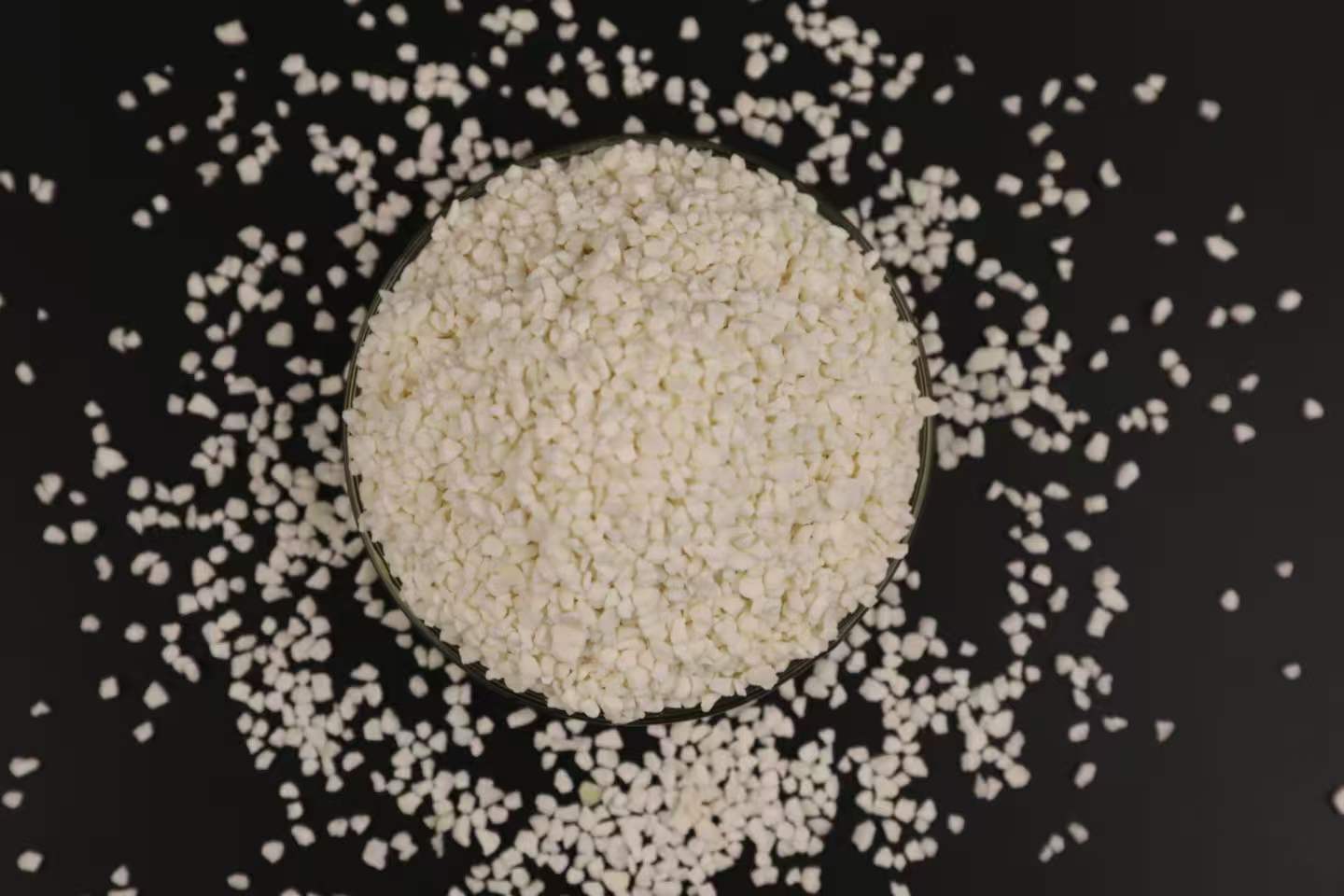
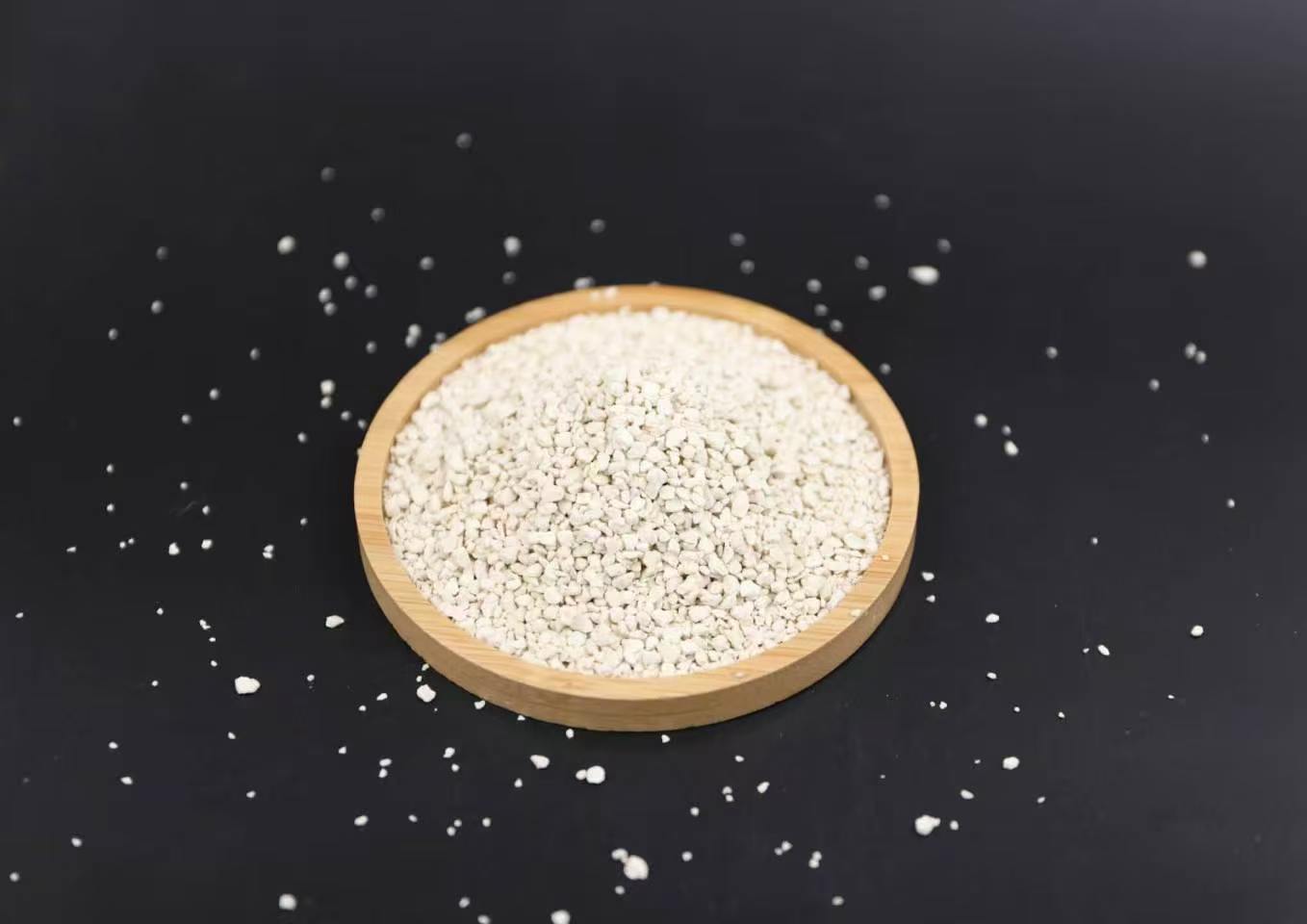
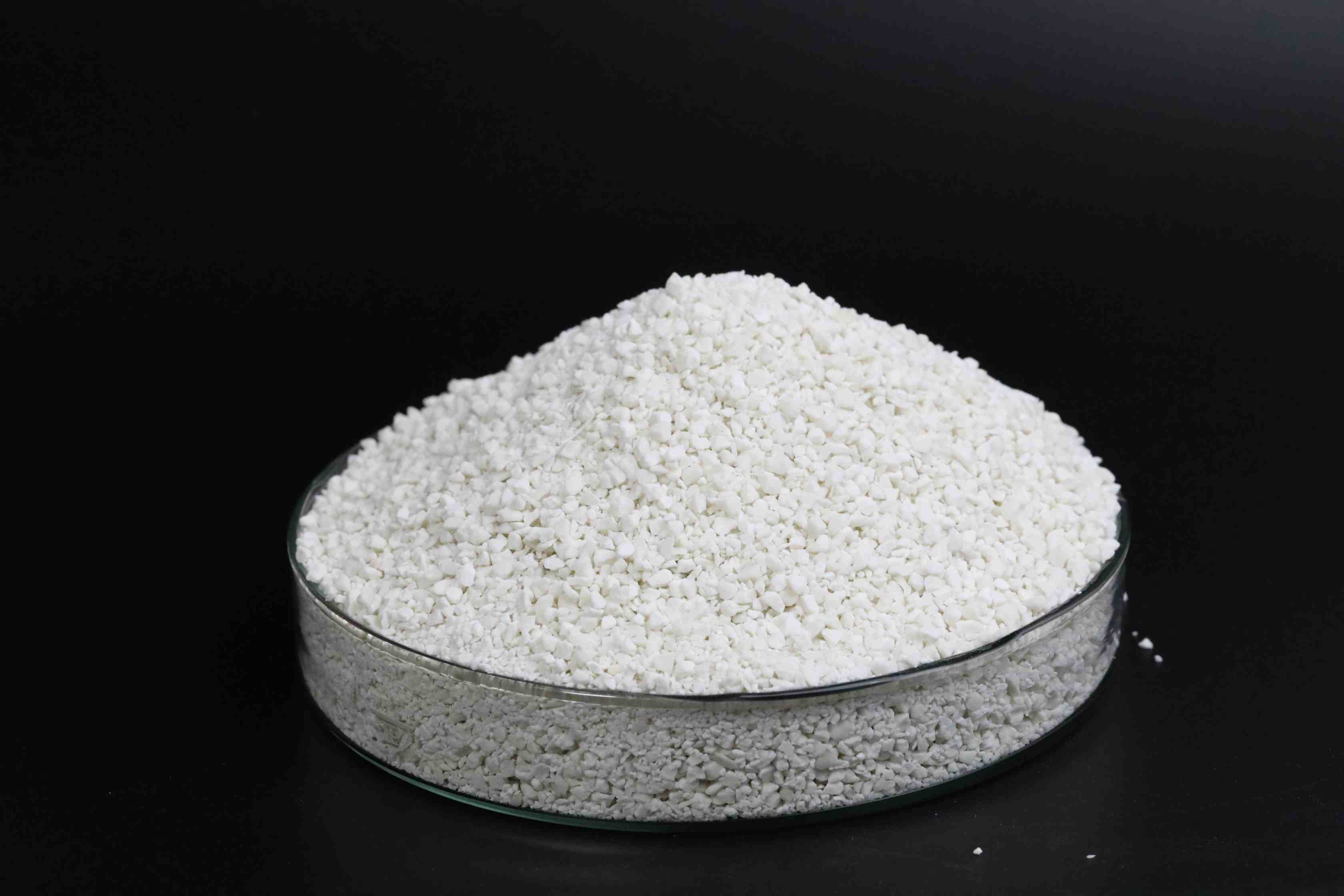
Cassava cat litter is a plant-based litter made from cassava starch, also known as tapioca.
Cassava is a root crop widely grown in tropical regions and used in many food products. When processed for cat litter, cassava starch is combined with plant fibers and natural binders to form absorbent granules.
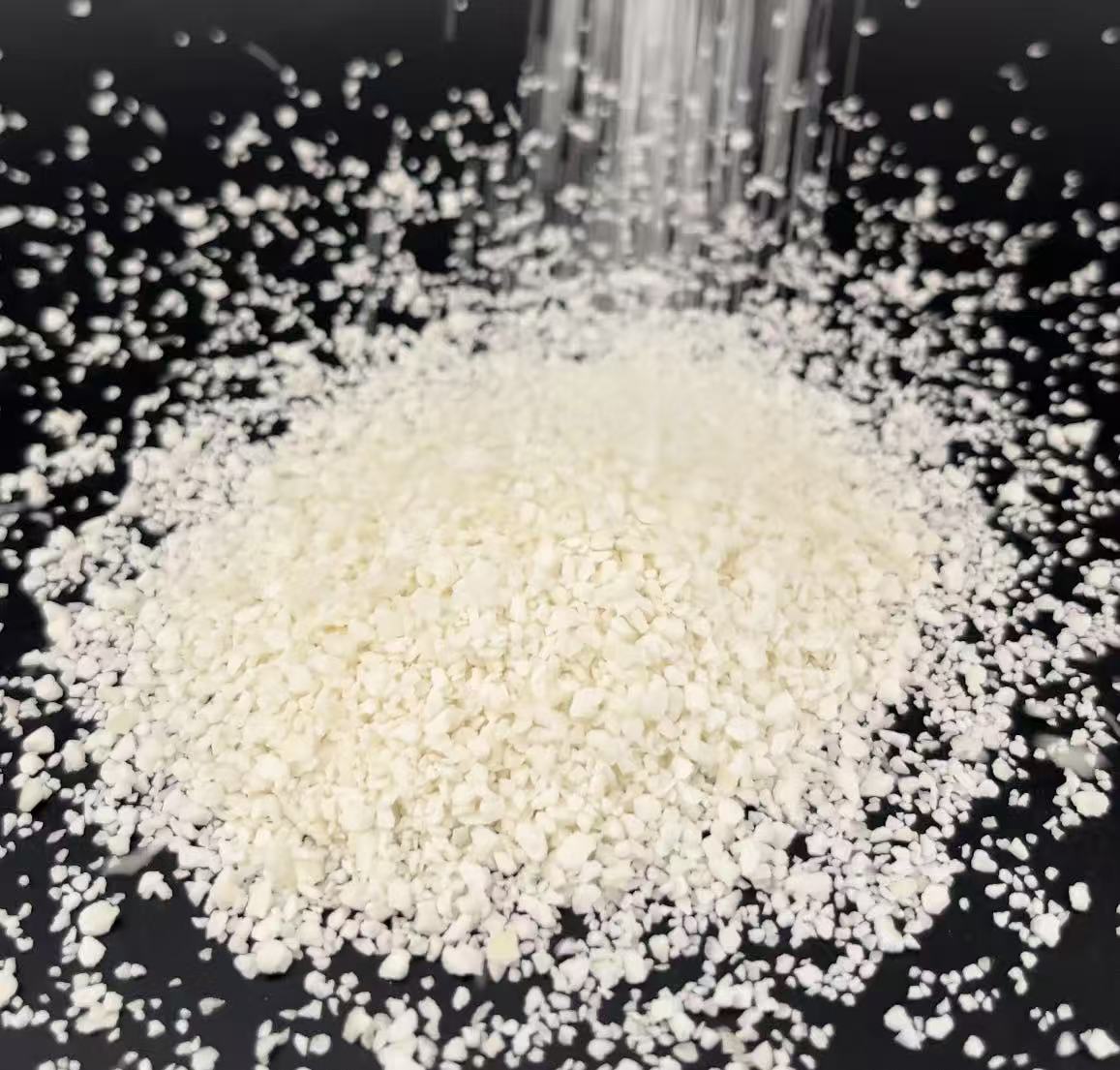
When liquid touches these granules, the starch structure quickly absorbs moisture and forms scoopable clumps.
Because cassava is a renewable crop, many experts consider it a more sustainable alternative to traditional clay litter.
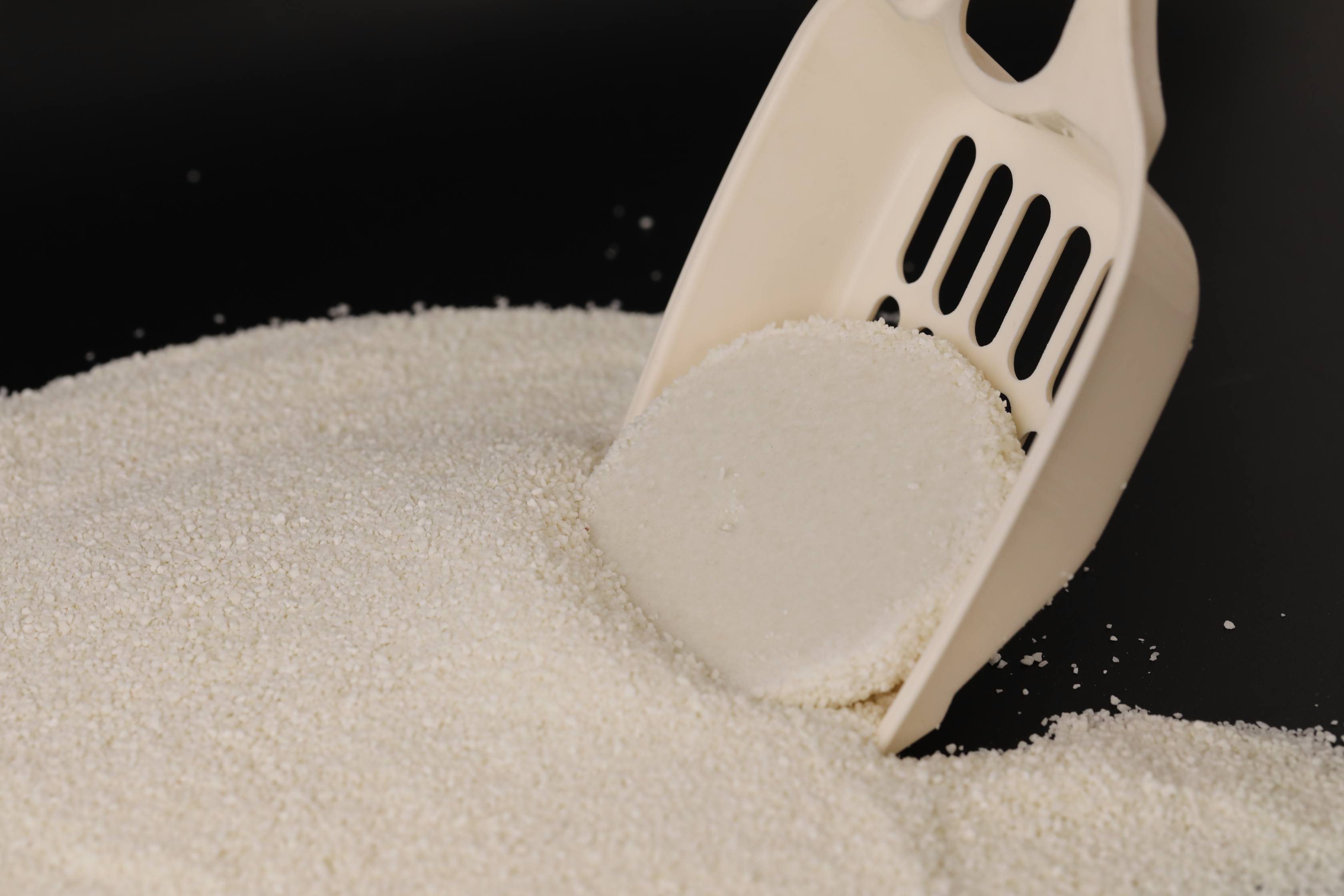
What Is Cassava Cat Litter Made Of?
Most cassava litter formulas include several natural ingredients:
cassava starch
plant fiber
natural binders
deodorizing ingredients
Some formulas also include bio-enzymes or seaweed extracts to help neutralize odors.
Plant-based litter manufacturers often combine different materials to optimize performance.
For example:
cassava litter for strong clumping
tofu litter for light weight and low tracking
bamboo fiber for antibacterial properties
These blended formulas combine the advantages of multiple plant materials.
How Cassava Cat Litter Works
Cassava contains large amounts of natural starch molecules.
When liquid contacts the litter:
moisture is absorbed quickly
starch particles swell
the litter forms a solid clump
Strong clumps trap moisture and reduce odor release.
Some modern plant-based litters are designed to form tight clumps within a few seconds, helping lock in moisture and prevent litter box smell.
To further improve odor control, manufacturers sometimes add natural deodorizing agents such as seaweed extracts or bio-enzymes.
 Benefits of Cassava Cat Litter
1.Strong Clumping Performance
Cassava starch creates dense clumps that hold together well. Strong clumps make it easier to remove waste without replacing all litter.
2.Low Dust
Dust can be a major problem with some litter types. Plant-based litters are often processed to produce verylow dust levels, helping keep the litter box area cleaner. Low-dust litter may also reduce irritation for cats and owners.
3.Natural Odor Control
Litter box odor is mainly caused by ammonia released when bacteria break down urine.
Cassava litter helps control odor by:
absorbing liquid quickly
sealing moisture inside clumps
slowing bacterial growth
Some plant-based formulas combine bio-enzymes and seaweed extracts to improve odor removal.
4.Biodegradable Materials
Traditional clay litter comes from mining bentonite. Plant-based litter is made from agricultural materials.
That means it can be:
biodegradable
renewable
lower environmental impact
According to theAmerican Pet Products Association, sustainability is becoming an increasingly important factor in pet product purchasing decisions.
5.Lightweight and Easy to Handle
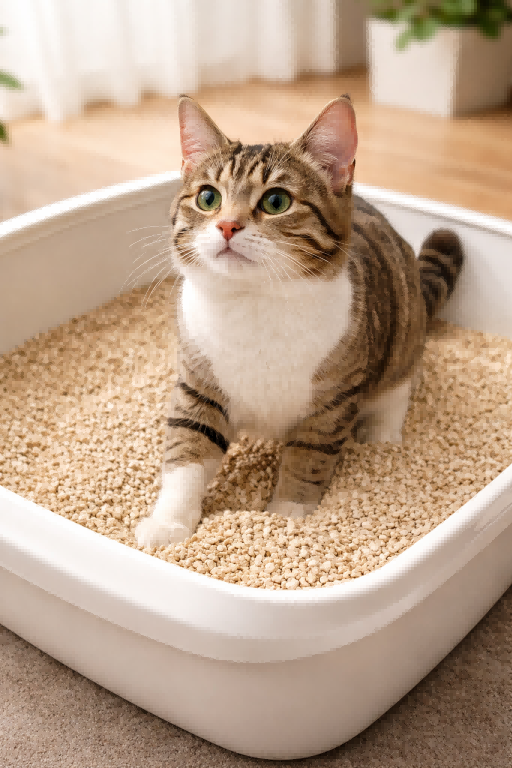
Plant-based litter is often lighter than clay litter.
This makes it easier to:
carry
store
pour into litter boxes
Many pet owners appreciate the convenience.
Cassava Cat Litter vs Clay Cat Litter
Many cat owners comparecassava litterwith traditional clay litter.
Here is a simple overview.
Feature | Cassava Cat Litter | Clay Cat Litter |
Raw material | Plant-based | Mineral |
Weight | Lightweight | Heavy |
Dust level | Often low | Can be higher |
Sustainability | Renewable crop | Mining required |
Clumping | Strong | Strong |
Both types work well, but plant-based litter is becoming more popular among environmentally conscious consumers.
Is Cassava Cat Litter Safe for Cats?
Yes, cassava cat litter is generally considered safe when produced with pet-safe ingredients. Because cassava is a natural plant material, it usually contains fewer chemical additives than some traditional litter types.
However, cat owners should always:
lintroduce new litter gradually
lkeep litter boxes clean
lmonitor their cat’s behavior
These practices help ensure a smooth transition.
Who Should Use Cassava Cat Litter?
Cassava litter can be a good choice for:
leco-conscious pet owners
lhouseholds sensitive to dust
lcat owners exploring plant-based products
lretailers offering sustainable pet supplies
It is also gaining attention in international pet markets where natural and biodegradable products are growing trends.
FAQ
1. Is cassava cat litter biodegradable?
Yes. Cassava is a plant-based agricultural product, so litter made from cassava starch is generally biodegradable.
2. Is cassava cat litter better than clay litter?
Both types work well. Cassava litter is often preferred by pet owners looking for sustainable, plant-based alternatives.
3. Does cassava cat litter control odor well?
Yes. Cassava litter absorbs liquid quickly and forms sealed clumps, which helps reduce odor development. Some formulas also include bio-enzymes or natural deodorizing ingredients.
4. Can cassava litter be used in automatic litter boxes?
Many cassava litter formulas are compatible with automatic litter boxes, but compatibility may vary depending on granule size.
Final Thoughts
Cassava cat litter reflects a broader trend in the pet industry toward plant-based and sustainable products. As pet owners become more aware of environmental impact, natural litter materials are attracting increasing attention.
With strong clumping, low dust, and biodegradable ingredients, cassava litter offers a practical balance between performance and sustainability. For many cat owners, it represents a modern alternative to traditional clay litter.