+86 15763937065

- 01 Jul 2026
The Hidden Problem with Clay Litter and Why Zeolite Cat Litter Is the Solution
Every time you dump a used bag of litter into the trash, that litter will sit in a landfill for centuries. Clay does not biodegrade. It accumulates. With roughly 40 kg of litter waste per cat per year, the environmental footprint of a two-cat household equals leaving a tap running for hours every week.
That is the hidden cost of never asking what your cat litter is made of.
The Real Problem Nobody Talks About
This is not about one brand versus another. It is about an industrial model with decades of inertia — clay strip mining. It works, it is cheap, and everyone knows it. But it has three hidden costs that are becoming impossible to ignore:
- Environmental cost: Every ton of clay requires moving 3 tons of earth. Open-pit mining disrupts entire ecosystems, and the final product never biodegrades.
- Health cost: Crystalline silica dust from clay litter has been linked to respiratory issues in both cats and humans. This is not a myth — veterinary studies confirm it.
- Economic cost: Clay litters are heavy (costing more to ship), waste more product (clumps break apart), and require more frequent changes. The purchase price is low, but the cost per use is high.
The question is not whether the shift will happen. The question is who will lead it.
The Solution: Plant-Based Engineering
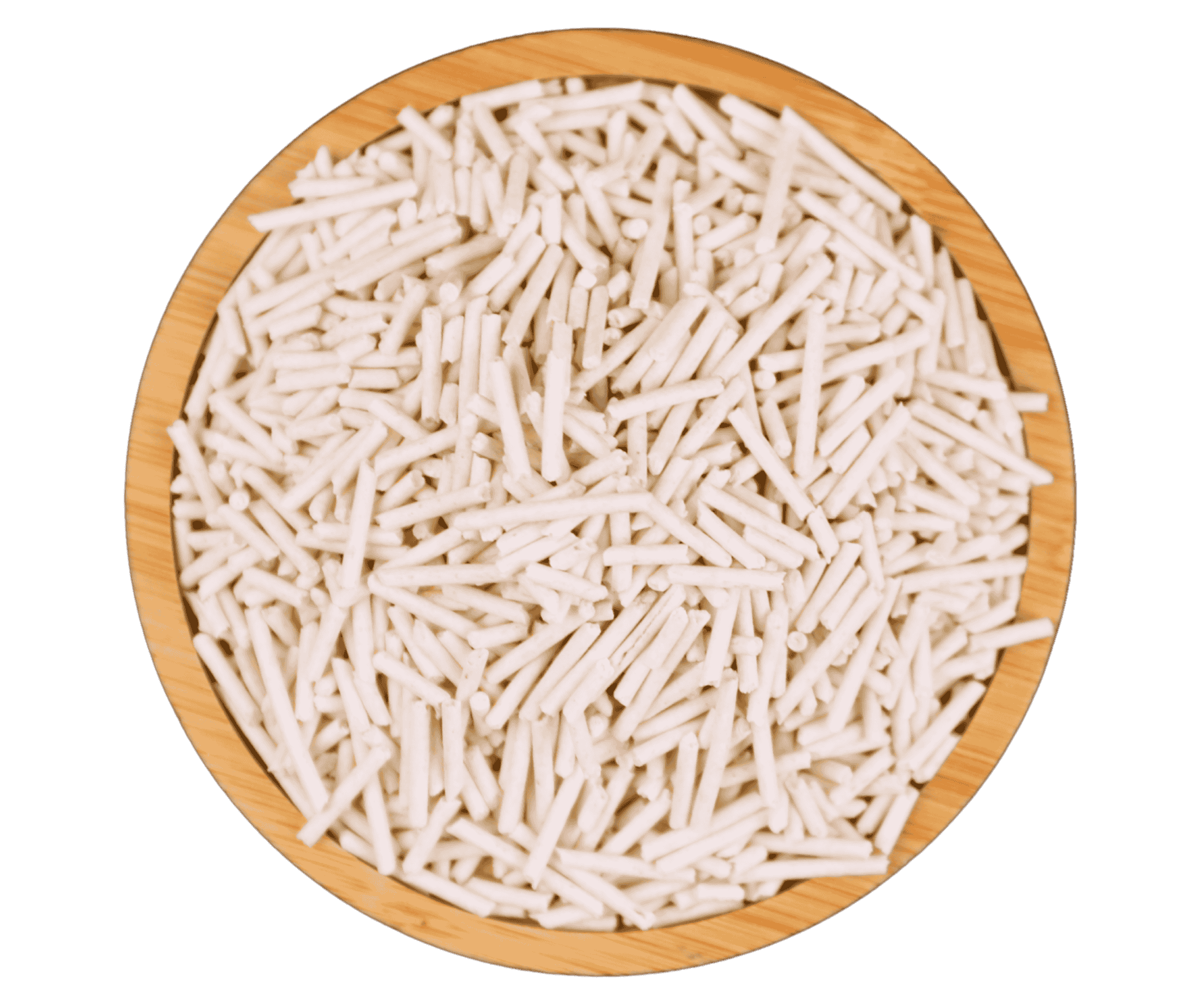
Plant-based litters are not an "alternative product." They are a fundamentally different technology. Instead of mining a non-renewable mineral, they transform renewable crops like cassava, soybean, and bamboo into a product that competes with — or outperforms — clay on every key metric.
Gilancy applies dry hydraulic molding at low temperature, a process that preserves the biological activity of plant ingredients. Unlike clay (which absorbs only through physical capillary action), plant-based litters activate the natural starch properties to create a molecular matrix that clumps and traps odors simultaneously.
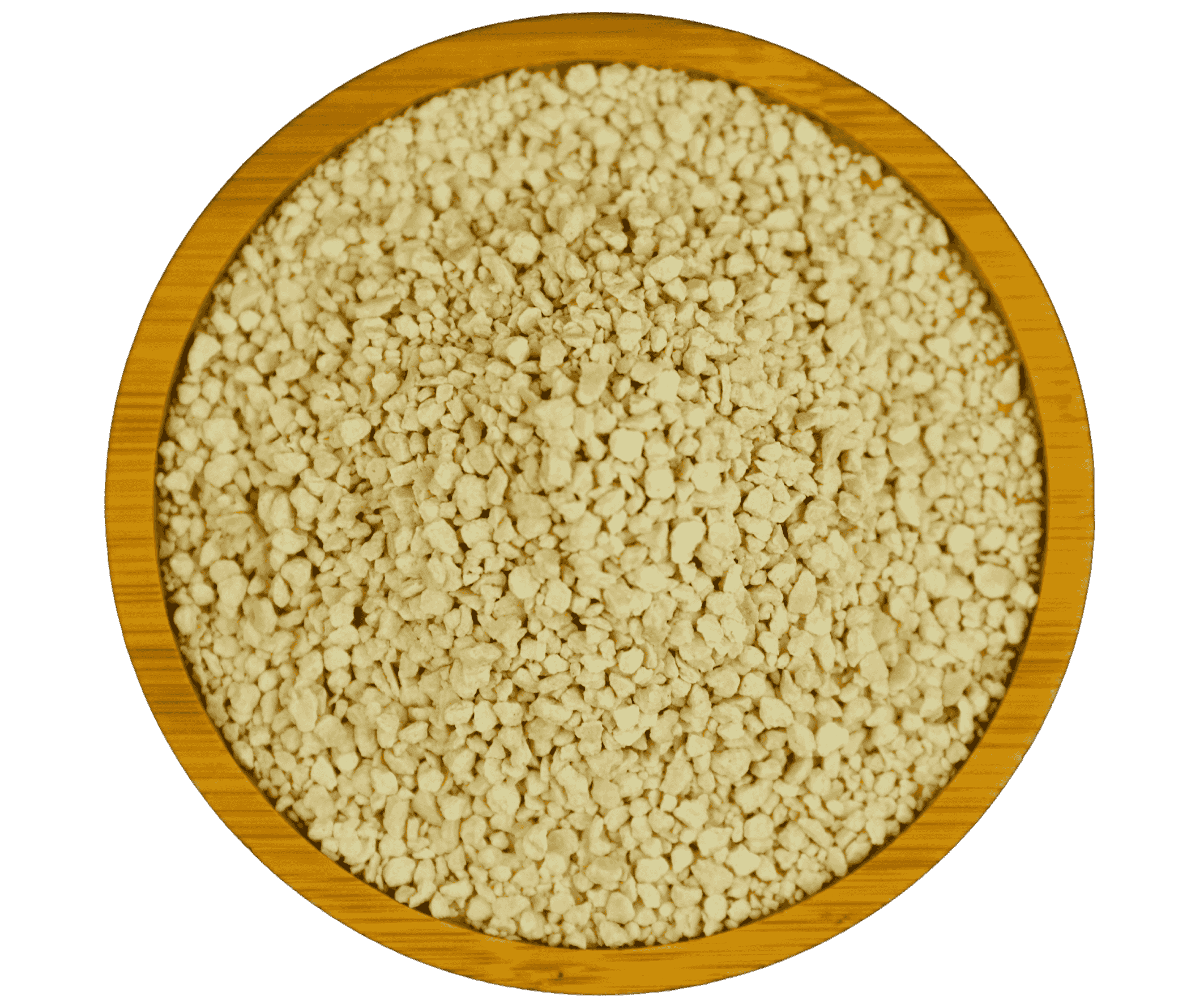
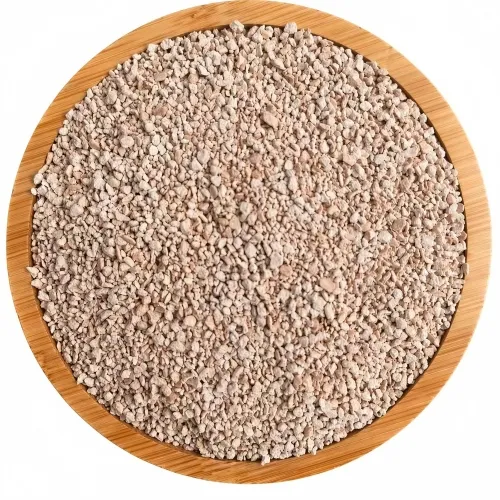
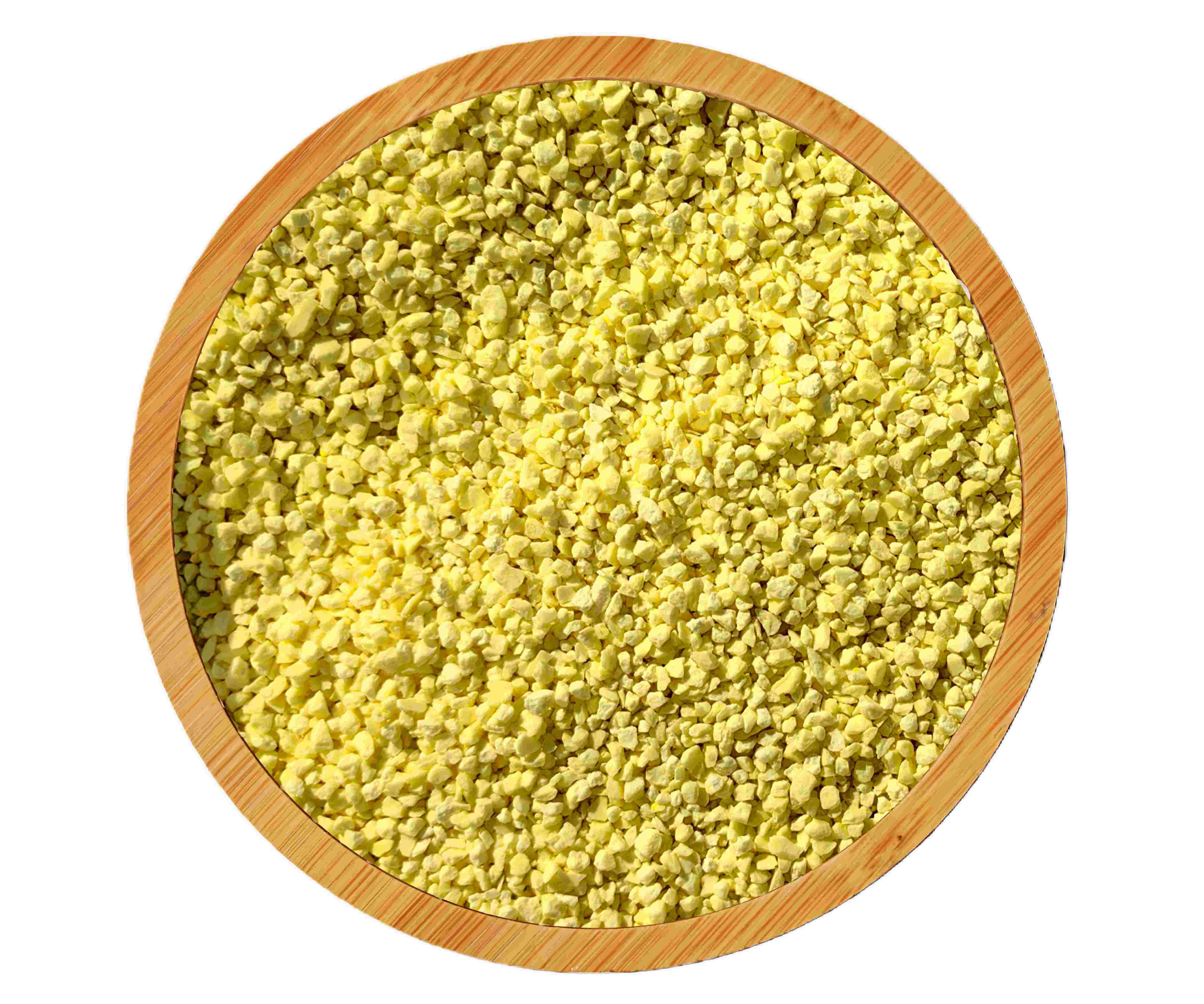
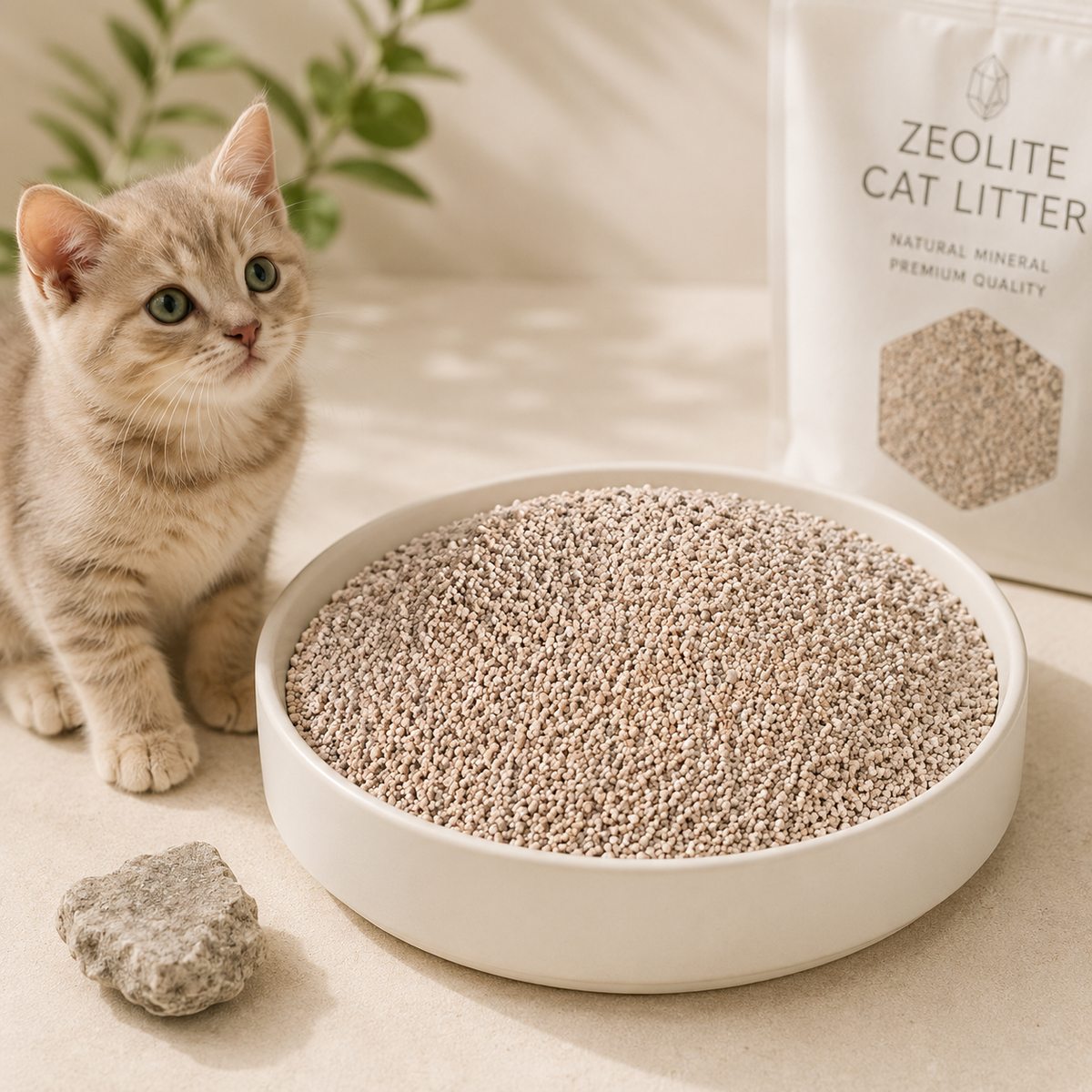
Zeolite Cat Litter: Natural zeolite combined with food-grade starches creates a powerful triple-action formula: bio-enzymes, zeolite adsorption, and seaweed extract work together for deodorization exceeding 99.2%.
Why Now? Market Context
Grand View Research estimates plant-based litters will represent 38% of the global market by 2030, up from 18% today. Statista projects the global cat litter market will reach $14.2 billion USD by 2028, with a CAGR of 6.8%. The growth is not accidental — it responds to three converging forces:
- Regulation: The EU Regulation 2025/40 (PPWR) requires all packaging to be economically recyclable by 2030, with general application from August 12, 2026. Importers who do not prepare will lose access to key retail shelves by 2027.
- Consumer demand: Statista documents 73% of millennials consider their cat a full family member, driving premium product demand. Euromonitor International reports 68% of pet owners prefer sustainable products when price and quality are comparable.
- First-mover advantage: Early adopters in each market capture premium margins before competitors react. Being first in your region gives you a 12-18 month lead.
Practical Steps for Importers
- Request samples of at least two different plant-based products.
- Ask for lab reports from independent testers. If the manufacturer resists, that is a red flag.
- Compare TCO (total cost of ownership) — not just price per kilo but performance per cat, shipping costs, and premium margin.
- Verify certifications: EU REACH and ISO. Without them, your product will not pass European retailer audits.
- Check PPWR compliance: Since August 2026, packaging must meet EU recyclability requirements. Ensure your supplier offers compostable or recyclable packaging with PPWR documentation.