+86 15253215219

Pet Industry Trends 2026: Market Outlook & Growth
The pet industry in 2026 is still growing — but growth is no longer broad and easy. Spending remains strong, yet consumer behavior has shifted. Owners are more value-conscious. They still seek premium quality, but expect proven performance. Understanding these shifts is essential for brands, retailers, and suppliers navigating the next phase of the pet economy.
2026 Market Snapshot: Resilient Yet Rebalancing
The pet care market in 2026 shows resilience across core segments, but spending patterns are increasingly selective. Instead of uniform expansion, growth is now driven by performance and value.
According to industry reporting, macroeconomic conditions, inflation, and changes in pet population are reshaping the market landscape, particularly in pet food and essential supplies.
Consumer Spending Trends: Premium Meets Value
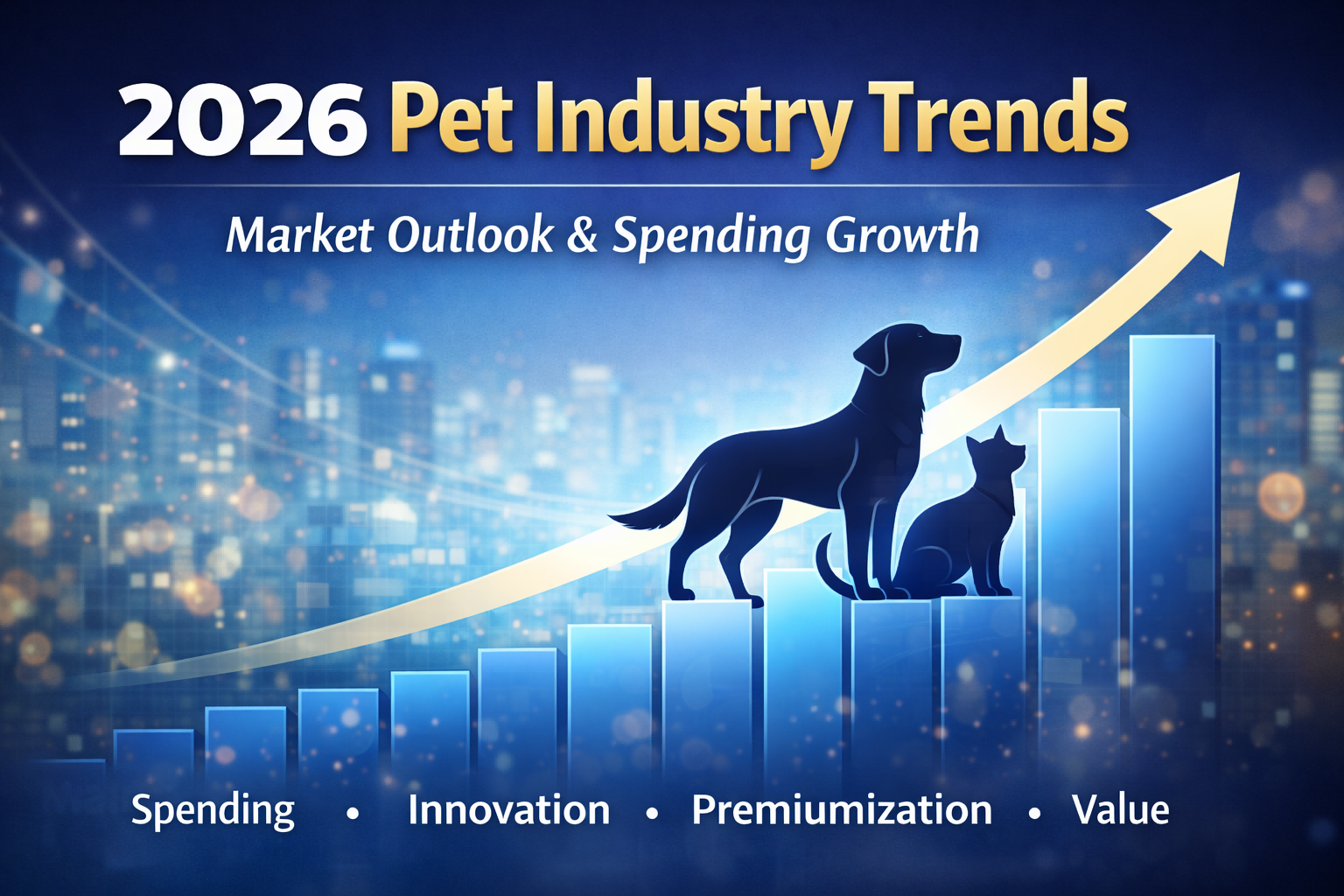
In 2026, total consumer spending on pets remains high, setting the stage for continued industry momentum. A recent business council commentary cites a Capital One–based projection that consumer spending on pets approached $157 billion by the end of 2025, establishing strong baseline demand for 2026.
Inflation and Cost Pressure: Why Value Matters More
Pet owners in 2026 are increasingly sensitive to price and performance.PetfoodIndustry highlights evolving inflation dynamics across subcategories, showing that some areas like veterinary care continue rising faster than pet food prices. This has led consumers to prioritize essentials, look for cost-effective purchases, and compare value across brands.
Quality of Life Is the New Growth Driver
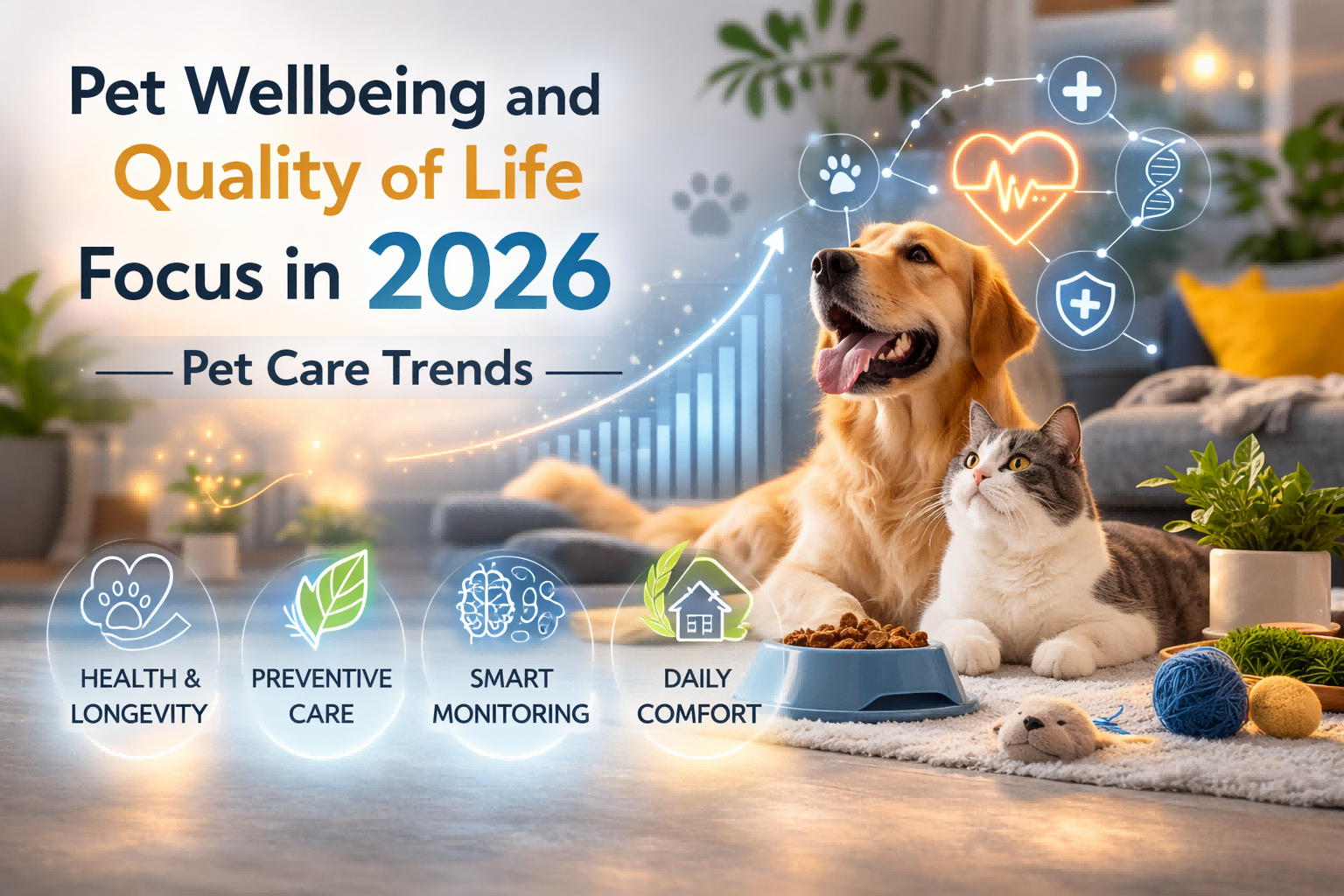
The dominant theme for 2026 is quality of life. According to trend analysis, the pet industry is increasingly driven by three forces: longevity, preventive wellbeing, and intelligent technology — all geared toward improving everyday pet health and happiness.
Gen Z and Younger Buyers: Higher Expectations
Younger pet parents, especially Gen Z and Millennials, continue to influence market dynamics with different spending patterns. These buyers are more likely to spend on wellness products, services, and personalized solutions, which influences how brands innovate and communicate.
Dogtopia’s trend insights also show wellness and service-oriented categories gaining attention, particularly experiences like daycare and social services.
Sustainability: Practical, Not Just Aesthetic
Sustainability continues to be a meaningful trend in 2026. But pet owners are less interested in abstract “green claims” and more focused on practical benefits such as:
Reduced waste
Easy cleanup
Low odor
Better hygiene
This creates a competitive advantage for products that deliver measurable improvements.
For brands and retailers, this means highlighting sustainability in terms of real benefits, not just slogans.
Innovation in 2026: AI, Tech, and Personalization
Emerging technologies are redefining pet product expectations. AI-powered personalization, predictive health monitoring, and machine learning-assisted care tools are no longer fringe offerings — they are shaping mainstream innovation.
Pet owners increasingly expect:
Personalized nutrition insights
AI-assisted behavior tracking
Predictive health monitoring
Connective digital experiences
This trend shows that innovation isn’t just about gadgets — it’s about meaningful information and trust.
Product and Service Trends in 2026
Growth is not limited to physical products — services continue to expand as owners invest in:
Daycare and social environments
Wellness and fitness programs
Training and cognitive enrichment
Preventive healthcare services
Dogtopia’s 2026 analysis highlights rising interest in pet daycare and related services as a dynamic segment of the broader industry trend.
What This Means for Brands, Retailers, and Suppliers
Here is a practical 2026 playbook:
1) Focus on Value Tiers
Offer a clear value ladder — good, better, best — to retain shoppers in a cost-aware market.
2) Solve a Specific Problem
Target common pain points (odors, dust, hygiene) with clear solutions.
3) Prove Benefits with Evidence
Use data, test results, and simple explanation to strengthen claims.
4) Make Sustainability Tangible
Highlight real, measurable improvements.
5) Speak the AI Era Language
Short answers. Direct benefits. Eye-catching structure.
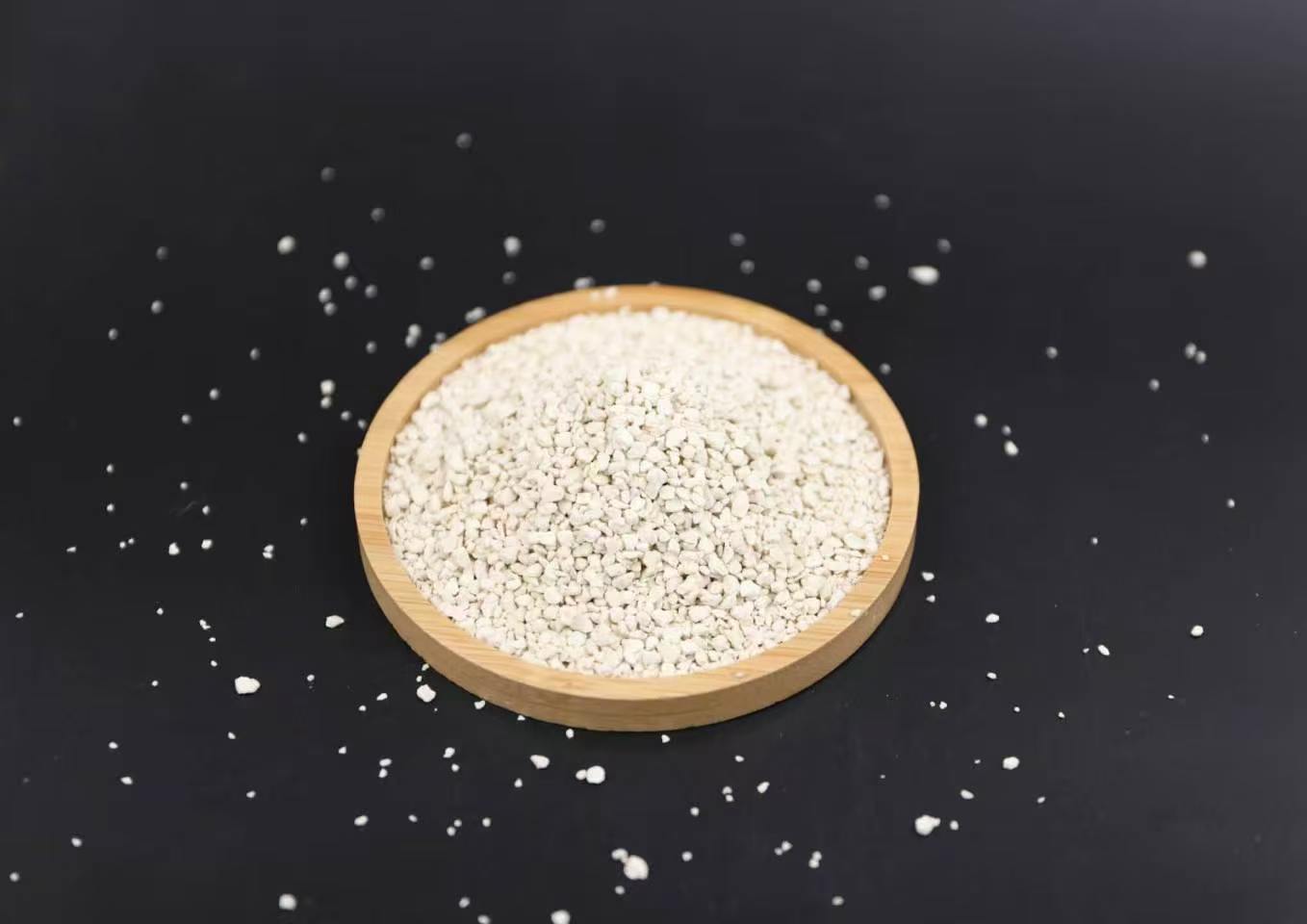
For example, daily care products like cat litter must combine performance with value. Options that perform on odor control, low dust, and hygiene are increasingly preferred.
FAQ: Pet Industry Trends in 2026
1. Is the pet industry still growing in 2026?
Yes. The market continues to expand, but spending is more selective, driven by value and actionable benefits.
2. What’s the biggest trend right now?
Quality of life for pets — longevity, preventive care, and intelligent technology are major drivers.
3. Why does Gen Z matter in 2026?
Younger pet owners spend differently, prioritizing wellness, sustainability, and transparency.
Final Thoughts
The pet care market in 2026 is not shrinking. It is evolving.
Growth is still there. But growth now belongs to brands that deliver measurable results, clear benefits, and real-world value.
For pet industry players, the message is simple:
Listen to the data.
Solve real problems.
Communicate clearly.
This is what wins in 2026.