+86 15763937065

- 26 Mar 2026
How Cat Litter Is Manufactured: A Complete Factory Guide
Introduction: Why Manufacturing Matters
Cat litter may appear simple, but behind every bag is a complex manufacturing process that directly affects product performance. For importers, distributors, and private label brands, understanding how cat litter is made is essential. Many common issues—such as poor clumping, excessive dust, or weak odor control—are not random. They are the result of how the product is produced. This guide explains the complete manufacturing process and highlights what truly matters when evaluating a supplier.
1. Raw Material Selection
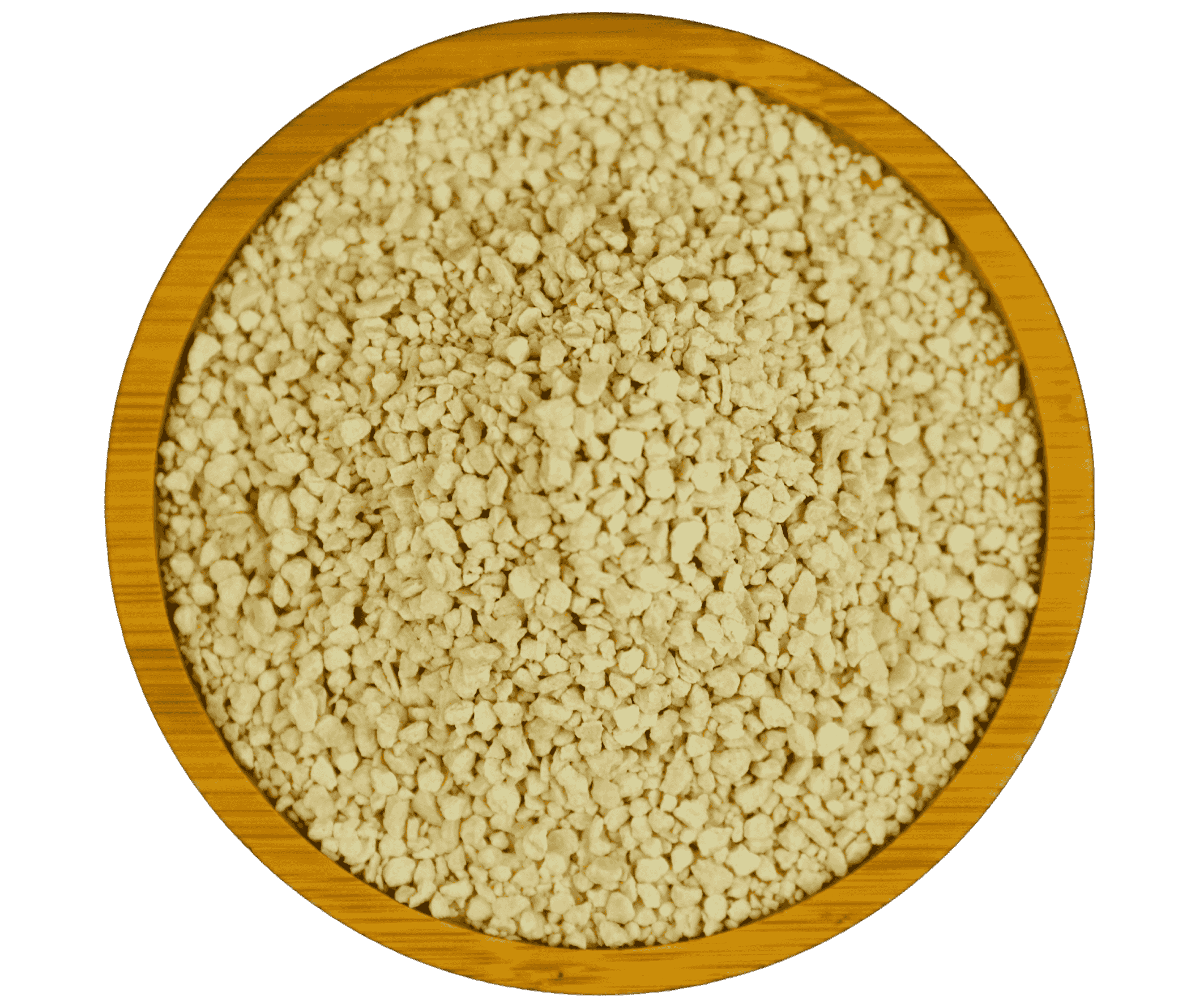
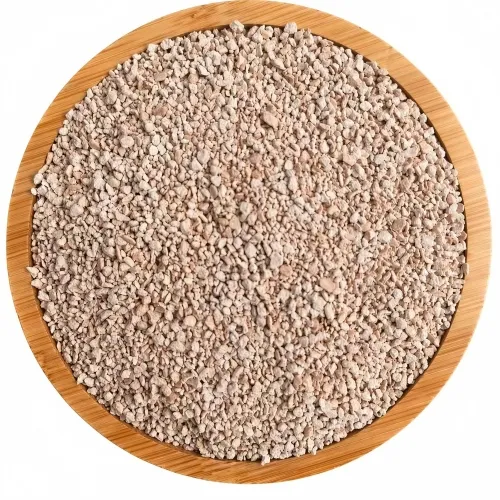
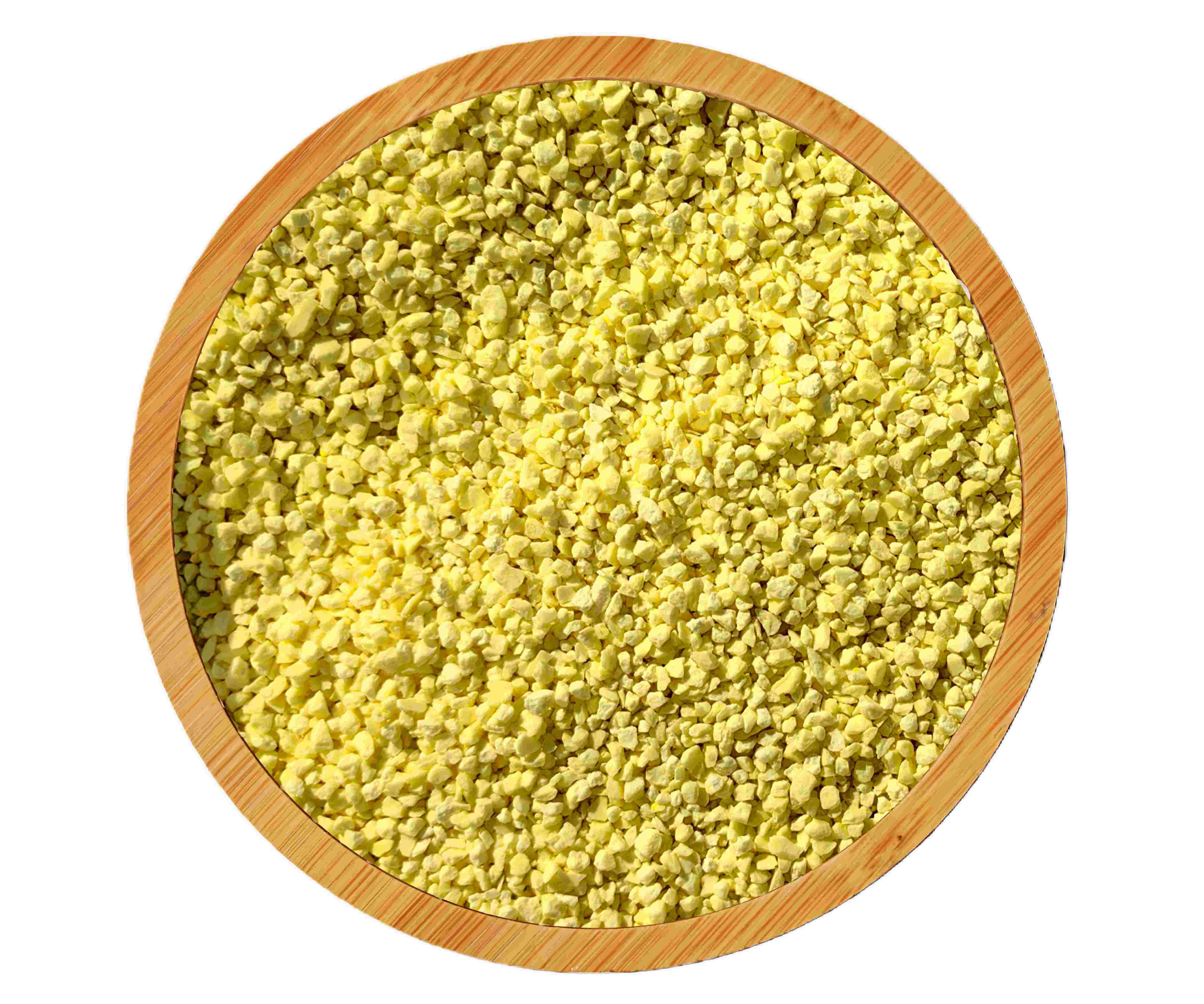
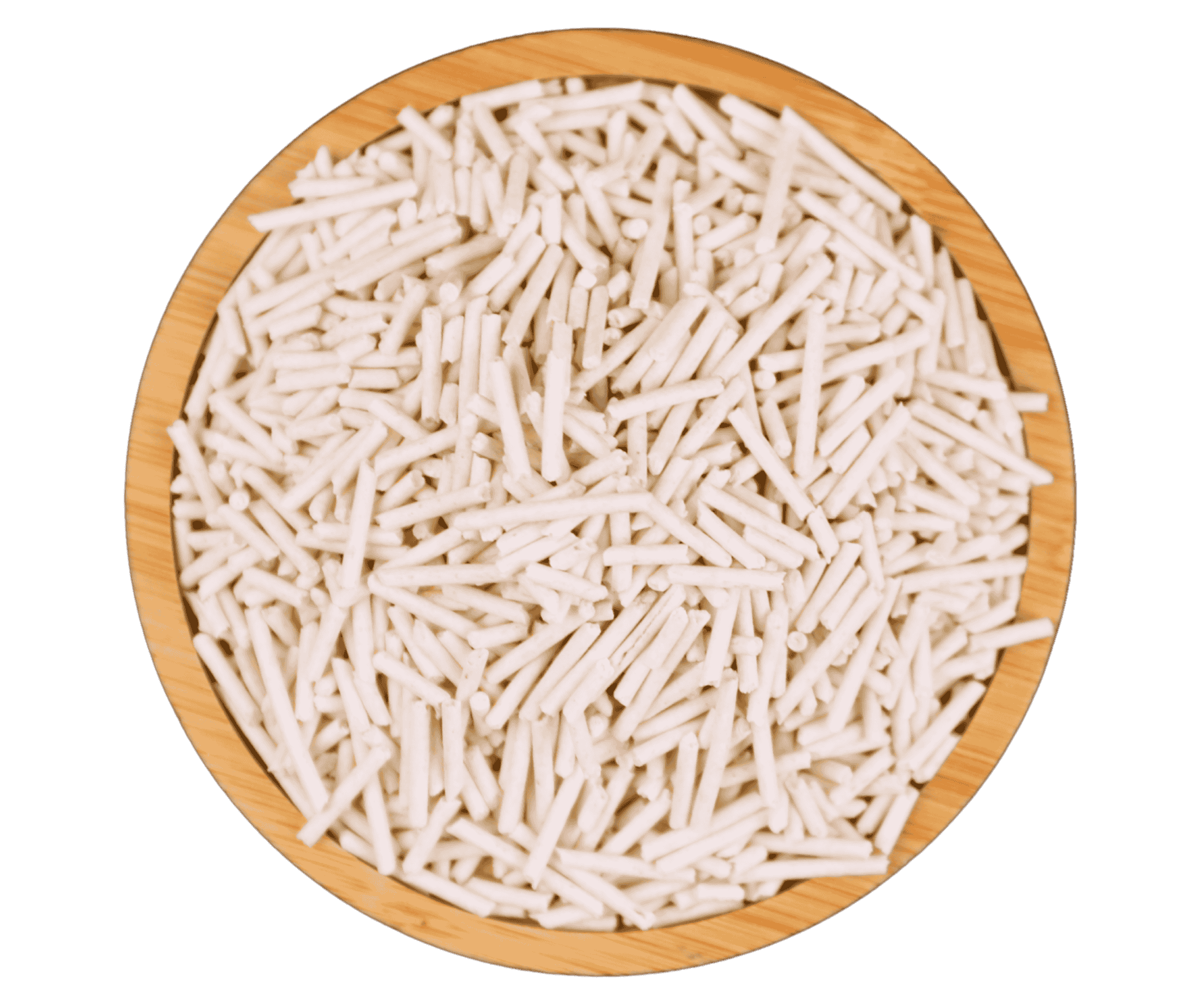
The first step in manufacturing is selecting raw materials. Modern cat litter can be made from clay, cassava starch, tofu residue, or plant fibers. For example, plant-based products such as cassava cat litter
are increasingly popular due to their sustainability and performance.
Raw material quality determines absorption, clumping ability, and dust level. Inconsistent sourcing often leads to unstable product performance.
2. Formula Design and Mixing
After selecting materials, they are blended into a formula. This step is critical because it defines how the litter behaves in real use.
Typical formulations include starch, plant fibers, and natural binders. Some manufacturers also incorporate advanced deodorizing agents such as enzymes or plant extracts.
The difference between an average product and a premium one often comes down to formula precision.
3. Granulation Process
Granulation is the core of the manufacturing process. It shapes the litter into particles and determines structural strength.
There are two main approaches:
- High-temperature extrusion: faster but may damage natural properties.
- Low-temperature granulation: preserves material integrity and improves durability.
Granulation affects particle size, clumping speed, and resistance to breakage.
4. Moisture Control
Moisture control is essential. Too much moisture leads to weak clumping and odor issues, while too little can cause fragile particles.
This is also closely related to problems such as powder during shipping
, which often occur due to poor moisture balance.
5. Dust Removal System
Dust control is a key quality indicator. Advanced factories use multi-stage dust removal systems, including airflow separation and vacuum pipelines.
High-quality production can achieve dust levels ≤0.1%, improving user experience and product positioning.
6. Screening and Particle Size Control
After dust removal, particles are screened into specific size ranges. Common sizes include 0.5–3mm and 2–3mm.
Particle size influences tracking, clumping behavior, and overall usability.
7. Packaging and Customization
Finished products are packed according to customer needs. Options include retail bags, bulk bags, and ton bags.
Many manufacturers also support private label services, including custom design and filling customer-supplied packaging.
8. Quality Control and Testing
Reliable factories conduct testing throughout production. Key indicators include clumping time, dust level, and odor control.
Consistent testing ensures that every batch meets the same standard.
9. Logistics and Export Considerations
Manufacturing does not end at the factory. Shipping conditions also affect quality. For example, humidity and transport time can impact performance.
Learn more about shipping impact
.
How Gilancy Ensures Manufacturing Excellence
As a professional cat litter manufacturer
, Gilancy focuses on controlling every stage of production.
Key advantages include:
- Stable raw material sourcing
- Low-temperature granulation
- Dust control ≤0.1%
- Fast clumping (around 3 seconds)
- Advanced deodorization systems
- Flexible packaging solutions
With an annual capacity of 50,000 tons, Gilancy ensures reliable supply for global partners.
Industry References
American Pet Products Association
World Bank Logistics Performance Index
Conclusion
Cat litter performance is the result of manufacturing precision. From raw materials to packaging, every step matters.
For buyers, understanding production is the key to choosing reliable suppliers and avoiding costly mistakes.
In the end, better manufacturing leads to better products—and stronger brands.
FAQ
What affects clumping performance?
Raw materials and granulation process.
Why does dust vary?
Production technology and dust removal systems.
Does shipping affect quality?
Yes, especially moisture and handling conditions.
Is plant-based litter harder to produce?
Yes, but it offers better sustainability and performance.